2025 Guide: How to Choose the Right Fittings and Valves for Your Project
In the ever-evolving landscape of construction and manufacturing, the selection of the right fittings and valves is crucial for the success and longevity of any project. According to a recent report by the International Association of Plumbing and Mechanical Officials (IAPMO), improper selection of fittings and valves can lead to inefficiencies that cost the industry billions in wasted resources and energy every year. With the demand for sustainable and reliable infrastructure on the rise, it becomes imperative for project managers and engineers to understand the nuances of fittings valves to ensure optimal performance.
The global market for fittings and valves is projected to reach $80 billion by 2025, driven by rapid urbanization and industrialization. As highlighted by the Global Industry Analysts report, the growth in sectors such as oil and gas, water treatment, and HVAC systems underscores the importance of selecting high-quality fittings and valves tailored to the specific needs of each application. Making informed choices can significantly impact operational efficiency, safety, and compliance with increasingly stringent regulatory standards.
As we delve into this guide, we will explore key factors to consider when choosing fittings and valves, including material compatibility, pressure ratings, and environmental impacts. Equipping yourself with this knowledge is essential for navigating the complexities of today's industrial requirements and ensuring the success of your projects moving forward.

Understanding Different Types of Fittings and Valves
When selecting the appropriate fittings and valves for your project, it is essential to first understand the different types available and their specific applications. Fittings serve as connectors in piping systems, allowing for changes in direction, branch lines, or termination points. Common types include elbow fittings, which change the flow direction; tees, which facilitate branching; and couplings, which join two pipes. The choice of fittings can significantly impact the efficiency and functionality of a system, so it’s crucial to match the type to the intended use.
Valves, on the other hand, are integral to controlling the flow of liquids or gases in a system. There are several types, including gate valves, which provide a straight flow path and are used for on/off control; ball valves, known for their quick operation and ability to seal tightly; and globe valves, which allow for precise flow regulation. Understanding the purpose and functioning of these various valve types is vital in ensuring that your system operates effectively and meets the required safety standards. Selecting the right combination of fittings and valves will ultimately depend on your project's specific needs, including the nature of the fluids involved and the environmental conditions they will encounter.
Evaluating Your Project's Specific Requirements
When selecting the appropriate fittings and valves for your project, it is crucial to begin by thoroughly evaluating the specific requirements at hand. The American Society of Mechanical Engineers (ASME) indicates that the selection process should consider factors such as fluid type, pressure, and temperature ratings. For instance, a 2023 industry report highlighted that nearly 40% of mechanical failures are attributed to improper valve selection, underscoring the importance of matching the component specifications to project needs.
Additionally, understanding the application's environment is essential. For example, valves used in corrosive media must be constructed from compatible materials to prevent degradation. According to a survey conducted by the Valve Manufacturers Association, projects that took into account environmental conditions reported a 25% lower incidence of maintenance issues. Including these considerations in your evaluation process ensures that the selected fittings and valves are not only suitable but will also contribute to the longevity and efficiency of the overall system.
2025 Guide: How to Choose the Right Fittings and Valves for Your Project
Key Material Considerations for Fittings and Valves
When selecting fittings and valves for your project, one of the most crucial factors to consider is the material. Different materials offer various benefits and limitations that can significantly impact the efficiency and longevity of your system. Common materials include stainless steel, brass, PVC, and PEX, each serving specific applications. For example, stainless steel is highly resistant to corrosion and ideal for high-pressure environments, while PVC is lightweight and perfect for less demanding situations.
Tip: Always check the compatibility of the fitting or valve material with the fluids they will transport. Certain chemicals can degrade specific materials, leading to leaks or failures. Knowing the temperature and pressure conditions of your application will also guide you in choosing the right material.
Moreover, consider the environmental aspects. If your project involves outdoor installations, materials that withstand UV radiation and temperature fluctuations are essential. Furthermore, ease of installation and maintenance should not be overlooked, as this can save time and costs in the long run.
Tip: Before finalizing your choice, consult with industry professionals or perform thorough research on industry standards to ensure your fittings and valves meet the necessary specifications. This will help mitigate risks and enhance the overall performance of your project.
Assessing Quality Standards and Certifications
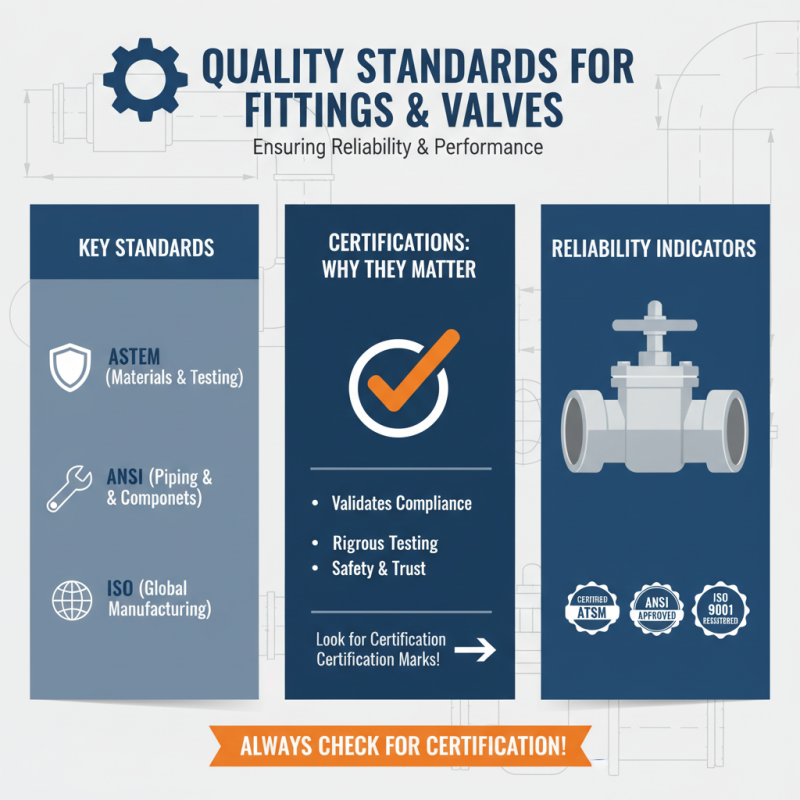
When selecting fittings and valves for your project, understanding the quality standards and certifications relevant to these components is crucial. Various industries have established specific standards, such as ASTM, ANSI, and ISO, that ensure the materials and manufacturing processes meet safety and performance expectations. Certifications not only validate the compliance with these standards but also signify that the products have been rigorously tested. Therefore, always check for certification marks on the fittings and valves you consider, as they are a reliable indicator of quality and reliability.
Tips: Always request documentation regarding certifications from suppliers. This includes test reports and quality assurance credentials. It’s essential to verify that the certifications are current and relevant to your specific application, as standards can vary significantly depending on industry requirements.
Moreover, assessing the manufacturing practices of your suppliers can further enhance your selection process. Look for companies that adhere to lean manufacturing and quality control processes, as these practices often lead to higher quality products. Familiarizing yourself with the different quality standards across various sectors will help you make informed decisions and avoid costly issues during and after installation.
Tips: Don't hesitate to ask about the supplier's quality assurance processes and how frequently they audit their systems. This information can provide insights into their commitment to maintaining high standards in product quality.
Essential Tips for Sizing and Compatibility Issues
When selecting fittings and valves for your project, understanding
sizing and compatibility issues is crucial. Incorrect sizing can lead to
leaks, inefficiency, and significant operational challenges. To determine the right size, begin by
assessing the flow requirements of your system. Consider the diameter of pipes, as well as the pressure and temperature ratings necessary for the intended application.
Using flow charts and calculators can help provide a clearer picture of the specific dimensions you need.
Compatibility also plays a vital role in the selection process. Ensure that the materials of your fittings and valves are compatible with the fluids they will transport,
keeping in mind factors such as chemical resistance, temperature tolerance, and environmental conditions. It's essential to consider the connection types and standards
being used in your project to avoid installation issues later on. Conducting thorough research and consulting with experts can aid in making informed decisions that enhance
the overall performance and reliability of your system.