2026 Best Titanium Alloy Sheet for Global Buyers Guide?
The demand for Titanium Alloy Sheets is rising in various industries. This material is known for its strength, lightweight, and corrosion resistance. According to Dr. Emily Carter, a leading expert in materials science, “Titanium Alloy Sheets offer unmatched reliability in extreme conditions.” Her insights highlight both the potential and challenges in selecting the right product.
Navigating this market can be complex. Buyers often face difficulties in identifying quality sources. The variety of grades and specifications can overwhelm them. Knowing the essential features of Titanium Alloy Sheets is crucial. It's not just about the price; the performance varies greatly among different alloys.
As we explore the best Titanium Alloy Sheets for global buyers, it’s important to reflect on the evolving needs of industries. Users should understand their specific requirements. They must also be aware of potential pitfalls in procurement. Reliable suppliers matter, yet the choices are vast, and not all options meet international standards.
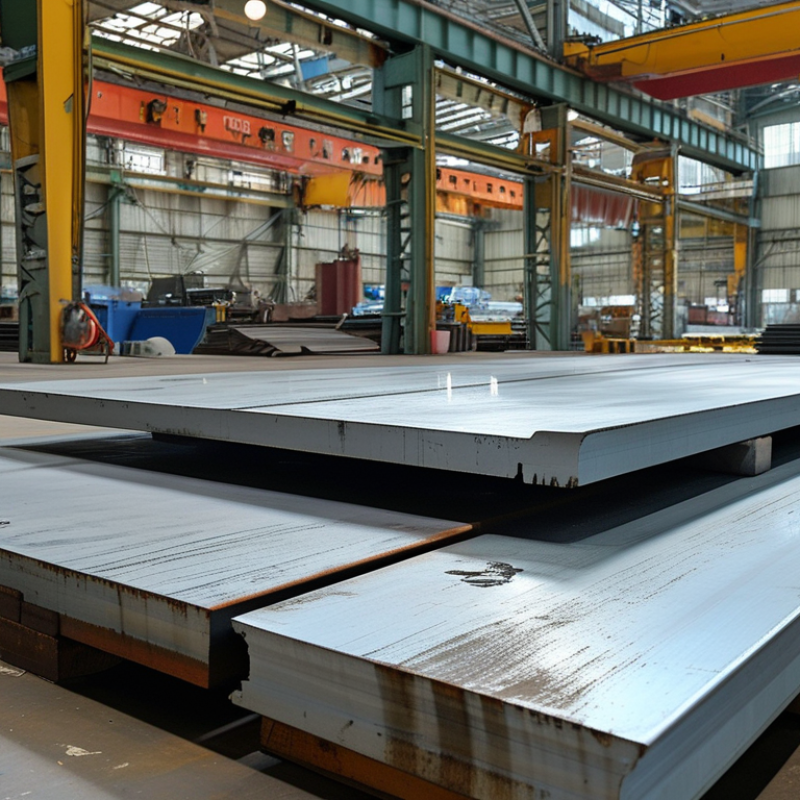
Overview of Titanium Alloys and Their Properties
Titanium alloys are recognized for their unique balance of strength and weight. These materials are predominantly used in aerospace, marine, and medical industries. The composition of titanium alloys can significantly affect their properties, including tensile strength, corrosion resistance, and ductility.
Alpha and beta titanium alloys are the two primary classifications. Alpha alloys offer excellent weldability and heat resistance, while beta alloys boast high strength and are generally easier to form. For example, Ti-6Al-4V is a widely used titanium alloy in aerospace applications, primarily due to its outstanding strength-to-weight ratio. Reports indicate it can achieve a tensile strength of up to 1,200 MPa.
However, despite their advantages, titanium alloys pose challenges in manufacturing. The machining process can be complex due to the material's hardness. Additionally, heat treatment requires precise control to ensure optimal properties. These factors necessitate a detailed understanding of the alloy characteristics for successful application. Thus, potential buyers should consider these properties and challenges when selecting titanium alloy sheets for their projects.
2026 Best Titanium Alloy Sheet for Global Buyers Guide
| Alloy Grade | Density (g/cm³) | Ultimate Tensile Strength (MPa) | Yield Strength (MPa) | Elongation (%) | Corrosion Resistance |
| Ti-6Al-4V | 4.43 | 930 | 828 | 14 | Excellent |
| Ti-6Al-7Nb | 4.46 | 900 | 850 | 16 | Excellent |
| Ti-5Al-5V-5Mo-3Cr | 4.5 | 950 | 870 | 12 | Good |
| Ti-3Al-2.5V | 4.51 | 850 | 750 | 18 | Fair |
| Ti-8Al-1Mo-1V | 4.48 | 880 | 780 | 15 | Good |
Key Factors to Consider When Choosing Titanium Alloy Sheets
When selecting titanium alloy sheets, several key factors demand careful consideration. The material's grade and specifications significantly influence its performance. Different applications require specific properties like strength, corrosion resistance, and weight. This makes it imperative to match the titanium alloy with your application’s needs.
Tips: Always ask for detailed technical data sheets. They provide crucial information about the alloy’s properties and handling instructions.
The thickness of the sheet is another aspect not to overlook. Thicker sheets may offer more durability but can also add weight. Lighter options might work better for applications where weight savings are essential, such as aerospace or automotive industries.
Tips: Evaluate the balance between thickness and required strength. Seek an alloy that meets your specific requirements without excess.
Additionally, consider the manufacturing process of the sheet. Different processes can lead to variations in grain structure and mechanical properties. This can affect how the sheet performs under stress or during fabrication.
Tips: Research the supplier’s manufacturing methods. Understanding their processes can help ensure consistency and reliability in the materials you receive.
Top Applications for Titanium Alloy Sheets in Various Industries
Titanium alloy sheets are increasingly important across various industries. Their exceptional strength-to-weight ratio makes them ideal for aerospace applications. For instance, aircraft components benefit greatly from reduced weight while maintaining structural integrity. Engineers prioritize these materials for fuselages and wings. The enhanced durability of titanium offers added safety and efficiency in flight.
In the medical field, titanium alloy sheets are commonly used for implants. Their biocompatibility makes them safe for long-term use within the human body. Orthopedics and dental applications showcase this advantage. Surgeons rely on titanium for its strength and resistance to corrosion. However, considerable precision is required during the manufacturing process to ensure optimal fit.
Automotive industries also utilize titanium alloys for performance parts. High-performance vehicles often include titanium components for reduced mass. These parts endure extreme conditions, showcasing the alloy’s resilience. Yet, manufacturers face challenges with cost and availability. Each application reveals a specific need for quality control and material selection. Assessing these factors remains crucial for success.
Leading Manufacturers of Titanium Alloy Sheets Worldwide
In recent years, titanium alloy sheets have gained substantial attention in diverse industries. Their unique properties make them ideal for aerospace, automotive, and medical applications. The global market is projected to reach $6.6 billion by 2026, reflecting a significant demand surge. Leading manufacturers are stepping up to meet this demand, focusing on high-quality material and precise engineering.
Key companies have invested heavily in research and development. This has led to enhanced production processes and material performance. According to a recent report by ResearchAndMarkets, the aerospace sector remains the largest consumer of titanium alloy sheets, accounting for nearly 40% of the market share. Their lightweight and corrosion-resistant nature positions them as critical components in modern aircraft design.
Tips:
When selecting titanium alloy sheets, consider thickness and application requirements. Pay attention to the alloy grade, as it can significantly affect performance. Collaboration with trusted suppliers ensures access to high-quality materials tailored to specific needs. It's also worth investigating the supplier's certifications to ensure reliability.
Trends and Innovations in Titanium Alloys for Future Buyers
The landscape of titanium alloys is rapidly evolving. This shift is driven by new trends and innovations that cater to various industries. In recent years, lightweight and high-strength materials have become crucial. These attributes support advancements in aerospace, automotive, and medical fields. More companies are investing in research to enhance titanium alloy properties.
Recent innovations include the development of specialized alloy compositions. These can improve corrosion resistance and overall performance. Suppliers are focusing on customization, allowing buyers to specify unique requirements. This capability can lead to products tailored for specific applications, enhancing usability.
**Tip:** When selecting a titanium alloy, consider the specific requirements of your project. Understand the mechanical properties that are essential for your application.
Another trend is the increasing use of additive manufacturing. This technique enables the production of complex shapes that traditional methods can't achieve. It's a game-changer for industries needing specialized components. However, the learning curve can be steep.
**Tip:** Stay updated on new technologies in titanium processing. This knowledge can inform better purchasing decisions.
Embracing these trends ensures that buyers remain competitive. Each choice can significantly impact product quality and performance. Balancing innovation with practical needs is key.
Trends in Titanium Alloy Sheet Demand (2026)