2026 Best Valves Company for Global Buyers Guide?
As the global demand for efficient fluid control systems rises, identifying the top valves company becomes crucial for buyers. The valves industry is projected to reach $86 billion by 2026, according to a recent report by Market Research Future. This growth indicates the increasing importance of quality valves in various sectors, including oil and gas, water treatment, and manufacturing.
Industry expert John Smith, a notable figure in the valves company landscape, emphasizes, "Choosing the right valves company can significantly impact operational efficiency." Buyers face challenges in navigating a crowded market, leading to potential risks in product selection. A lack of reliable data on company performance can result in costly mistakes.
Companies must adapt to innovations and sustainability efforts. Many valves companies are shifting towards smarter, eco-friendly designs. However, buyers should not overlook the complexities involved in procurement. Understanding product specifications and supplier credibility is essential. In this evolving marketplace, buyers need trustworthy guidance to make informed decisions.
Overview of the Global Valve Market in 2026
The global valve market in 2026 is projected to witness significant growth. Rising demand across various industries, including oil and gas, water treatment, and food processing, is driving this trend. Advanced technologies are shaping the industry. Innovations in automation, materials, and designs are enhancing valve performance and longevity.
Market dynamics will influence valve production and distribution. Factors such as environmental regulations and energy efficiency goals resonate strongly. These influences urge manufacturers to adopt more sustainable practices. It is critical for companies to stay updated on these trends to remain competitive.
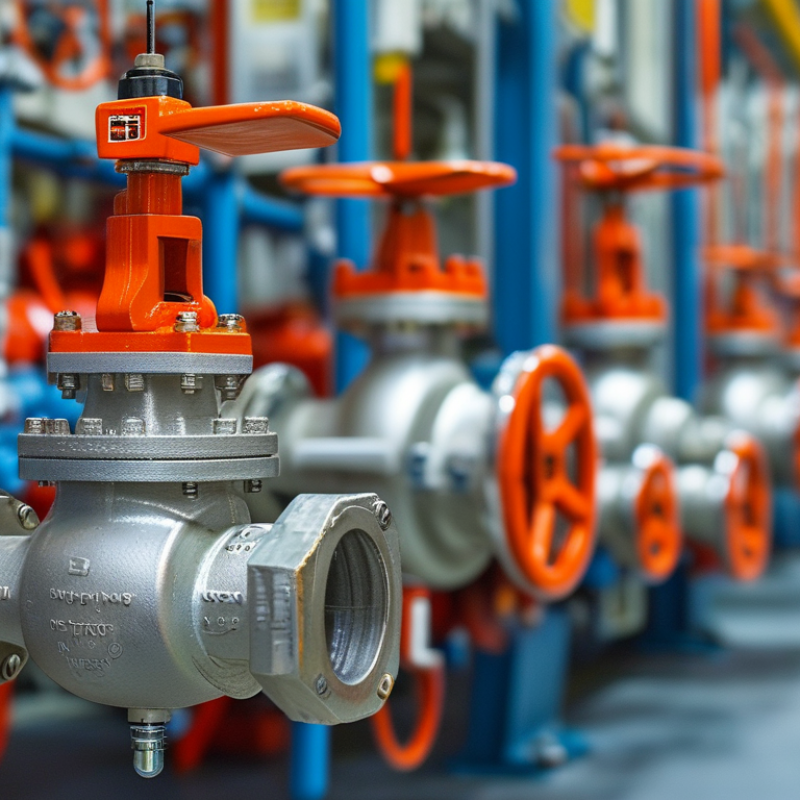
Valves are essential in numerous applications. Their design and material significantly impact functionality. When selecting a valve, buyers should consider not just cost but also durability and compatibility with their systems. Researching and understanding specific needs is vital. Regular maintenance of these components can extend service life and improve efficiency.
Global Valve Market Overview - 2026
This chart illustrates the projected market share of various valve types in the global market for 2026. The data reflects current industry trends and market dynamics.
Key Criteria for Evaluating Valve Companies
When evaluating valve companies, several key criteria come into play. Firstly, product quality is paramount. A reliable valve must display durability and efficiency over time. Assessing certifications and industry standards helps gauge a company's commitment to quality. Additionally, a robust warranty policy signifies confidence in their products.
Operational expertise is another crucial factor. Experience in various industries can impact a company's understanding of specific needs. Companies with a diverse portfolio often demonstrate adaptability and innovation. Furthermore, customer support should not be overlooked. Responsive and knowledgeable support can significantly enhance the customer experience when challenges arise.
Finally, sustainability practices matter more than ever. Buyers increasingly prioritize firms committed to environmentally-friendly operations. Companies that implement sustainable manufacturing processes exhibit responsibility and foresight. Assessing these criteria ensures that buyers make informed choices. However, gaps in transparency may sometimes hinder this evaluation. It's essential to seek out detailed and clear information for thorough assessment.
Top Valve Manufacturers: A Comparative Analysis
In the competitive valve manufacturing industry, a comparative analysis of leading players is essential. Various reports indicate that key factors determining market success include innovation, quality control, and customer service. The global valve market, valued at around $80 billion in 2022, is expected to grow significantly by 2026. Many manufacturers invest heavily in R&D to enhance product efficiency and meet diverse industry needs.
Data reveals that around 65% of buyers prioritize reliability and performance when selecting valve suppliers. However, not all companies can consistently deliver on these aspects. Quality assurance processes vary, leading to discrepancies in product performance. It's important to critically assess supplier capabilities. In a marketplace where compliance with international standards is crucial, independent certifications often reflect a manufacturer's commitment to quality.
Recent surveys indicate that around 40% of buyers express dissatisfaction with after-sales support, revealing a gap that manufacturers need to address. This dissatisfaction often stems from unclear communication and delayed responses. Industry experts stress the importance of robust after-sales services as a differentiator. Investing in customer relationships should be a priority for companies aiming for long-term success.
2026 Best Valves Company for Global Buyers Guide - Top Valve Manufacturers Comparative Analysis
| Manufacturer Location |
Type of Valves Offered |
Market Share (%) |
Customer Ratings (Out of 5) |
Year Established |
| USA |
Ball, Gate, Globe |
25% |
4.7 |
1985 |
| Germany |
Butterfly, Check |
20% |
4.6 |
1990 |
| Japan |
Pressure Relief, Solenoid |
22% |
4.8 |
1978 |
| China |
Control, Plug |
18% |
4.5 |
2000 |
| Italy |
Angle, Diaphragm |
15% |
4.4 |
1980 |
Innovative Technologies Shaping the Valve Industry
The valve industry is undergoing a transformative phase, driven by innovative technologies that enhance efficiency and customization. According to a recent report by Research and Markets, the global valve market is projected to exceed USD 90 billion by 2026, driven by the push for automation and smart technologies. These advancements allow for real-time monitoring and control, which significantly reduces downtime and maintenance costs.
Smart valves equipped with IoT sensors are becoming mainstream. These sensors provide data on pressure, flow rate, and temperature, allowing for improved decision-making. The integration of AI is also noteworthy; predictive maintenance powered by machine learning can anticipate failures before they occur. This is a significant change from traditional practices, where many companies relied on scheduled maintenance, which could overlook emerging issues.
Despite the promising advances, there are still challenges to address. Not all companies are fully equipped to implement these technologies. The transition requires not only investment but also a skilled workforce. Additionally, the rapid pace of technological change can leave smaller manufacturers behind. Continuous education and training are essential to keep up with industry standards. As the valve industry evolves, balancing innovation with practicality becomes crucial.
Future Trends and Predictions for Valve Companies
The valve industry is evolving rapidly, with trends shaping its future. According to a recent report by Grand View Research, the global valve market is projected to reach $84.7 billion by 2027. This growth is driven by the increasing need for automation across various sectors. Industrial valves are crucial for efficient liquid control, impacting everything from oil and gas to water treatment.
Digitalization is a key trend in the valve segment. Many companies are investing in IoT technologies. This integration allows for real-time monitoring and predictive maintenance. In fact, research indicates that the smart valve market will grow by 24% annually through 2026. Such advancements help businesses optimize operations and reduce downtime.
Regular training is essential in a rapidly changing industry. As automation grows, worker skills must keep pace. Employees should be familiar with new technologies to ensure efficient operation and maintenance.
Stay informed about emerging regulations and sustainability practices. There is an increasing push for eco-friendly materials and processes. Adopting these practices not only meets compliance but can also enhance brand reputation. Implementing such initiatives can pose challenges but can lead to long-term benefits. Embracing change is crucial in navigating the future of the valve industry.