2026 Top Stainless Steel Sequence Valve Buying Guide for Exporters?
As the demand for high-quality components rises, exporters are increasingly focused on the Stainless Steel Sequence Valve market. John Smith, a leading expert in fluid control systems, emphasizes, “Quality and precision in manufacturing Stainless Steel Sequence Valves are crucial for success.” His insight highlights the importance of selecting the right valves for optimal performance.
In 2026, understanding the intricacies of Stainless Steel Sequence Valves becomes vital. This guide will help exporters navigate various factors, including materials, design, and functionality. With manufacturers aiming for better efficiency, each valve's specifications must align with industry standards.
Challenges often arise, particularly in sourcing reliable suppliers. Not every valve will meet the stringent requirements of modern applications. Thus, continual reflection on choices made in the purchasing process is essential. The right knowledge and connections can turn potential obstacles into opportunities.
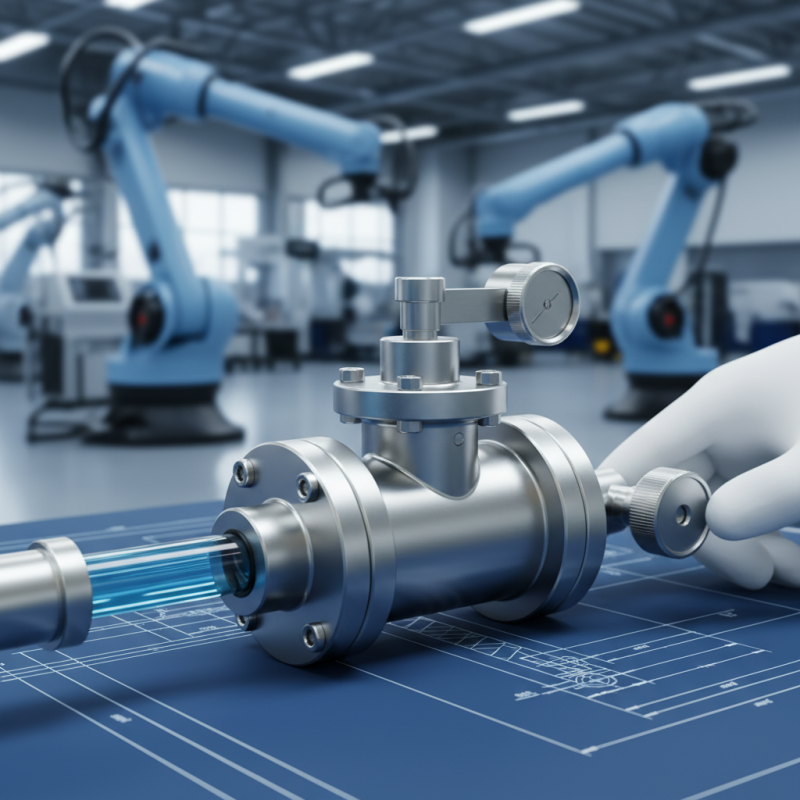
Types of Stainless Steel Sequence Valves for Export
Stainless steel sequence valves play a crucial role in fluid control systems. They ensure that hydraulic processes occur in a predetermined order. This is particularly important for exporters dealing with industrial machinery. Understanding the different types of these valves is essential for making an informed decision.
There are several types of stainless steel sequence valves available. Each type serves different applications and offers unique advantages. For instance, pilot-operated sequence valves are highly responsive. They help mitigate pressure fluctuations effectively. On the other hand, direct-acting sequence valves are simpler and often more reliable in less demanding applications.
Exporters must consider their specific needs when selecting a valve. Not all valves perform well under every condition. Factors like operating pressure and flow rates must be taken into account. Additionally, the physical size and installation compatibility are vital. While stainless steel valves offer durability, their design complexity can pose challenges. Regular maintenance is crucial to ensure they function correctly over time.
Key Features to Consider When Choosing Sequence Valves
When selecting sequence valves, exporters must focus on key features that influence efficiency and compatibility. Consider the valve's construction material. Stainless steel is preferred for its durability and resistance to corrosion. This ensures longevity even in harsh environments. The size and flow rate are equally important. They dictate how the valve operates within a system. Optimizing these parameters can significantly enhance overall performance.
Tips: Always check the pressure rating. It’s vital to match the valve to your system’s requirements. Incorrect ratings can lead to failures. Additionally, evaluate the installation process. A complicated setup may increase costs and time, affecting your bottom line.
Another key feature is the sealing mechanism. Different seals are available, and the choice impacts leak prevention. It’s worth investing time in researching options. This can save you from issues in the long run. Moreover, keep an eye on the manufacturer's warranty. A solid warranty reflects confidence in the product's reliability and can protect your investment. Always ask for specifications before making a purchase. These details can reveal much about the valve’s performance.
Comparative Analysis of Leading Brands in the Market
When considering the purchase of stainless steel sequence valves, potential exporters should engage in a thorough comparative analysis of leading brands available in the market. According to a recent report by Global Market Insights, the stainless steel valve market is projected to reach USD 10 billion by 2026, driven by industrial growth and stringent regulations on quality. This data highlights the increasing importance of choosing the right product, as even minor differences in specifications can impact long-term performance.
One critical aspect to evaluate is the material quality used in manufacturing. Stainless steel grades vary significantly in corrosion resistance and durability. The American Society for Testing and Materials (ASTM) indicates that 316-grade stainless steel offers superior protection against corrosive substances. Additionally, a comparative study published in the Journal of Valve Engineering reveals that valves manufactured with higher quality materials tend to have reduced failure rates. However, some brands still struggle with manufacturing inconsistencies, leading to potential reliability issues.
Choosing the right supplier involves analyzing performance metrics as well. Factors such as flow rate, pressure ratings, and temperature limits are crucial for operational efficiency. The International Institute of Fluid Power noted that even a 5% discrepancy in flow rates can lead to significant inefficiencies in industrial processes. Exporters must reflect on these variables carefully to ensure optimal performance and customer satisfaction in their operations.
2026 Stainless Steel Sequence Valve Market Analysis
Quality Standards and Certifications for Exporting Valves
When exporting stainless steel sequence valves, understanding quality standards and certifications is vital. These standards ensure that valves meet safety, performance, and durability requirements. Common certifications include ISO, CE, and ASTM. Each standard has specific criteria that must be met. Compliance with these standards not only assures quality but also enhances trust with international clients.
Tips: Always verify the certifications for the valves you plan to purchase. Check if they are up-to-date. Many exporters overlook this aspect, leading to compliance issues. Engaging with a certification body can provide insights into recent changes in standards.
Quality does not just mean meeting specifications. It involves the entire manufacturing process. Ensure the chosen manufacturer uses high-quality raw materials. Documented quality control processes are essential. Surprisingly, some exporters may focus on cost over quality, risking their reputation in foreign markets. Balancing price and quality is critical for long-term success.
Best Practices for Evaluating Suppliers and Manufacturers
When evaluating suppliers and manufacturers for stainless steel sequence valves, it is crucial to adopt effective practices. According to the International Stainless Steel Forum (ISSF), global stainless steel production reached over 52 million tons in 2022. This substantial figure highlights the importance of sourcing high-quality materials from reliable manufacturers.
Assessing a supplier's certifications is essential. Look for ISO certification, which demonstrates adherence to quality management standards. A recent industry report stated that 75% of buyers prioritize quality assurance in their supplier evaluations. Visiting manufacturing facilities can provide insights into production processes and quality control measures. Engaging with experienced engineers can help identify potential flaws in design or production.
Another factor to consider is supplier transparency. A lack of information can indicate potential risks. Suppliers should be willing to share testing reports and product specifications. Holding suppliers accountable fosters a better partnership and can mitigate risks related to poor-quality materials. Overall, a meticulous approach to evaluating suppliers will significantly influence product reliability and export success.