2026 Top Forged Pipe Fittings What You Need to Know?
In the ever-evolving world of industrial piping, understanding the nuances of forged pipe fittings is crucial. Renowned industry expert Sarah Thompson once stated, "Quality in forged pipe fittings is non-negotiable for safety and efficiency." This statement reflects the core importance of precision in this field.
As we look ahead to 2026, the demand for high-quality forged pipe fittings continues to rise. Industries rely on these fittings for their durability and strength. Yet, there are challenges. Some manufacturers cut corners. This can lead to costly failures. It’s imperative to choose suppliers who prioritize quality.
Forged pipe fittings are often the backbone of various systems. However, not all products meet the required standards. Engineers must be vigilant in their selection process. An informed choice can mean the difference between success and failure in projects. Understanding the market trends, material choices, and manufacturing processes will ensure that one does not fall behind in this competitive landscape.
Overview of Forged Pipe Fittings in 2026
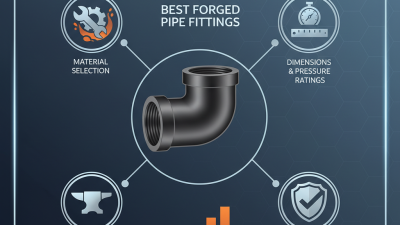
Forged pipe fittings play a crucial role in various industries, offering reliable connections for pipes. In 2026, the demand for these fittings continues to grow. Their durability and resistance to high pressure make them ideal for critical applications. Many industries rely on forged fittings for safety and performance. However, not all forged fittings are created equal. Buyers need to consider material specifications and manufacturing processes.
Tips for selecting forged pipe fittings: always check the certification of the materials used. High-quality fittings should meet industry standards. Look for fittings with thorough testing reports. This helps ensure safety and longevity.
In 2026, manufacturers are focusing on innovative techniques to enhance the functionality of forged fittings. However, while the technology evolves, some forged fittings still face issues. Miscommunication in specifications can lead to compatibility problems. This is a common challenge that professionals should address. Reflecting on past experiences is important for improvement.
Key Materials Used in Forged Pipe Fittings
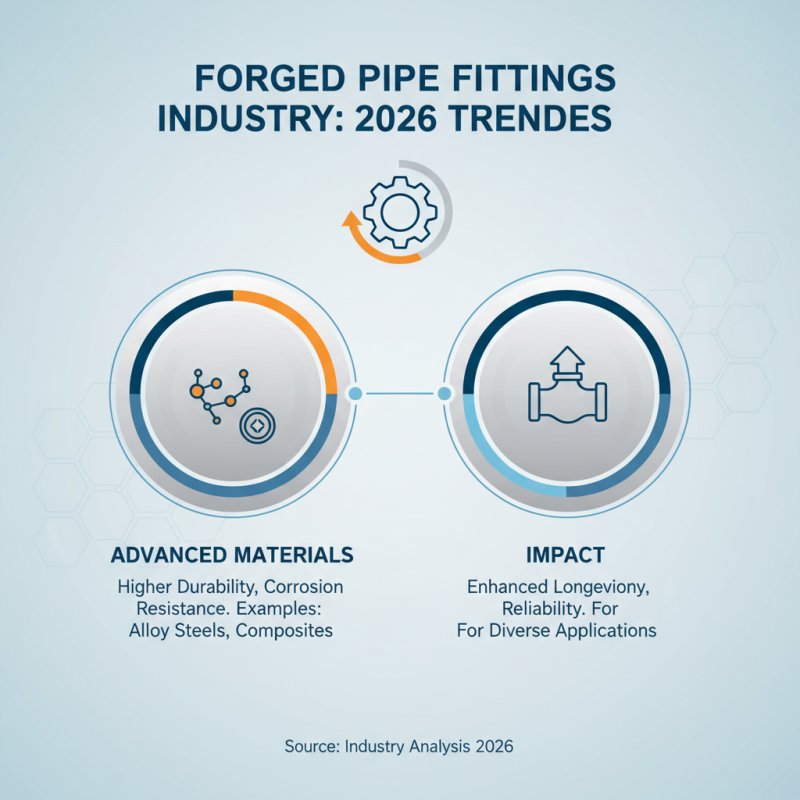
When discussing forged pipe fittings, key materials play a crucial role. Carbon steel is the most widely used option. Its strength and durability make it a favorite in various industries. According to a recent market report, carbon steel accounts for about 50% of the total demand for forged fittings. It is particularly effective in high-temperature applications. However, its susceptibility to corrosion is a notable drawback.
Another significant material is stainless steel. This offers better corrosion resistance than carbon steel. In fact, its use in forged fittings has increased by roughly 30% over the past few years. These fittings are ideal for harsh environments, such as chemical processing. However, the higher cost can be a deterrent for some projects.
Lastly, alloy steel is gaining attention. Known for enhanced mechanical properties, it can withstand extreme pressures. It's used in oil and gas applications, where safety is paramount. Nonetheless, the complexity in manufacturing can lead to inconsistencies. Therefore, choosing the right material for optimal performance requires careful consideration.
2026 Top Forged Pipe Fittings: Key Materials Used
Types of Forged Pipe Fittings and Their Applications
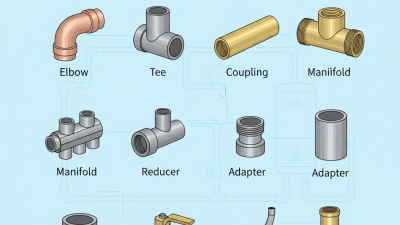
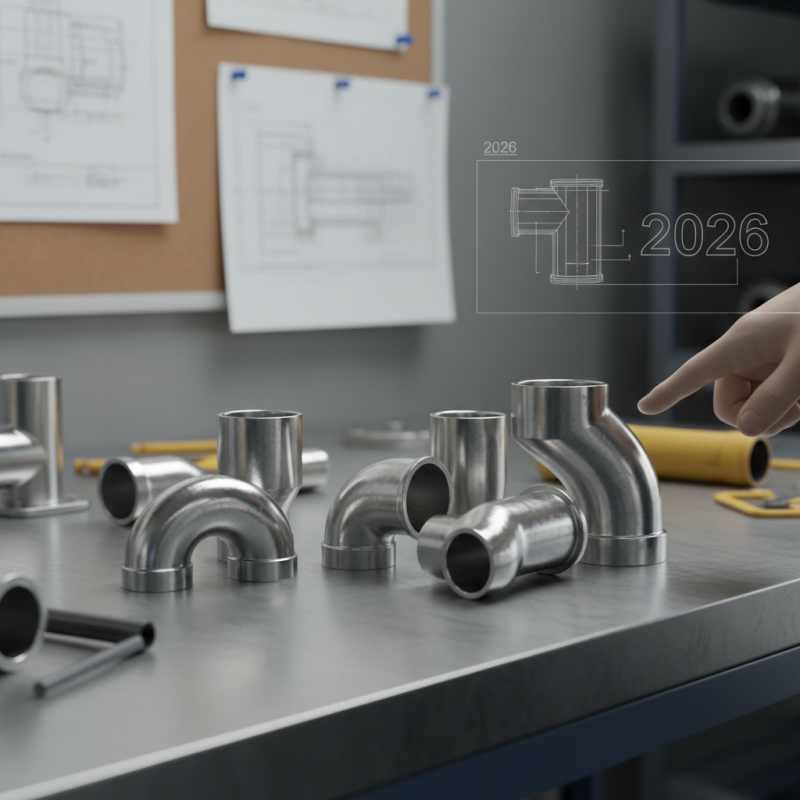
Forged pipe fittings come in various types, each serving unique applications. Common types include elbows, tees, and couplings. Elbows are essential for changing the direction of pipelines. They allow for smooth transitions and help maintain flow efficiency.
Tees connect two or more pipes at a specific angle, often used in branching applications. This makes them useful in complex piping systems.
Couplings play a critical role in joining two pipes together. They can accommodate varying pipe sizes and materials.
The versatility of these fittings makes them a favorite across industries. However, not all applications are straightforward. You might encounter challenges with improper sizing or alignment.
Welded and threaded fittings are popular choices but come with their own drawbacks. For instance, welded joints can be time-consuming to produce and require skilled labor. Threaded fittings may leak if not installed correctly. Understanding these nuances is vital. Choosing the right fitting involves careful consideration of your specific needs and the environment in which they will be used.
Industry Standards and Certifications for 2026 Forged Pipe Fittings
In 2026, the landscape of forged pipe fittings will be significantly influenced by industry standards and certifications. These standards ensure that products meet safety and quality requirements. For instance, the American Society for Testing and Materials (ASTM) defines specifications for different grades of forged pipe fittings. This ensures consistent quality across various applications.
Certifications such as ISO 9001 and ASME B16.11 are critical. These are crucial for manufacturers wishing to demonstrate compliance. According to recent industry reports, about 75% of manufacturers are seeking these certifications. This quest for quality might slow production at times, raising concerns about supply chain efficiency. The industry must balance these quality demands with the need for timely delivery.
Many companies face challenges in meeting these standards. Compliance can require significant investments in technology and training. A recent survey found that 40% of manufacturers struggle with implementing proper quality control measures. This gap highlights a need for continued improvement in the sector. Establishing robust certification processes will be key to meeting the growing demands and expectations in the forged pipe fittings market.
2026 Top Forged Pipe Fittings - Industry Standards and Certifications
| Standard/Certification |
Description |
Material Types |
Pressure Ratings |
Common Applications |
| ASTM A105 |
Standard Specification for Carbon Steel Forgings |
Carbon Steel |
Class 150 - Class 2500 |
Oil, Gas, and Chemical Processing |
| ASTM A182 |
Standard Specification for Forged or Rolled Alloy and Stainless Steel Pipe Fittings |
Alloy Steel, Stainless Steel |
Class 150 - Class 2500 |
Power Generation, Marine Applications |
| API 6A |
Specification for Wellhead and Christmas Tree Equipment |
Carbon Steel, Alloy Steel |
Up to 15,000 psi |
Oil and Gas Wellheads |
| ASME B16.11 |
Forge Socket-Welding and Threaded Fittings |
Carbon Steel, Alloy Steel |
Class 3000, Class 6000 |
Piping and Pipeline Systems |
| ISO 9001 |
International Standard for Quality Management Systems |
Applicable Types |
N/A |
Manufacturing Processes |