What is a Ball Screw for Sale and How to Choose One?
In the world of precision machinery, the term "ball screw for sale" often comes up. These components are crucial for converting rotational motion into linear motion. Many industries rely on them for accurate positioning in automation and robotics. Notably, John Smith, an industry expert from Precision Engineering Co., emphasizes, "Choosing the right ball screw can make or break your project's success."
When considering a ball screw for sale, it's essential to focus on several factors. The load capacity, screw diameter, and lead are crucial to achieving desired performance. Many buyers overlook the importance of these specifications, leading to suboptimal results. The right balance ensures efficiency and longevity of machinery.
Potential buyers should also reflect on their specific needs. Selecting a ball screw isn't just about finding a good deal. It requires understanding project requirements and potential challenges. Failure to do so can lead to costly setbacks in production. Making a well-informed choice is vital for success in using ball screws effectively.
What is a Ball Screw: Definition and Functionality
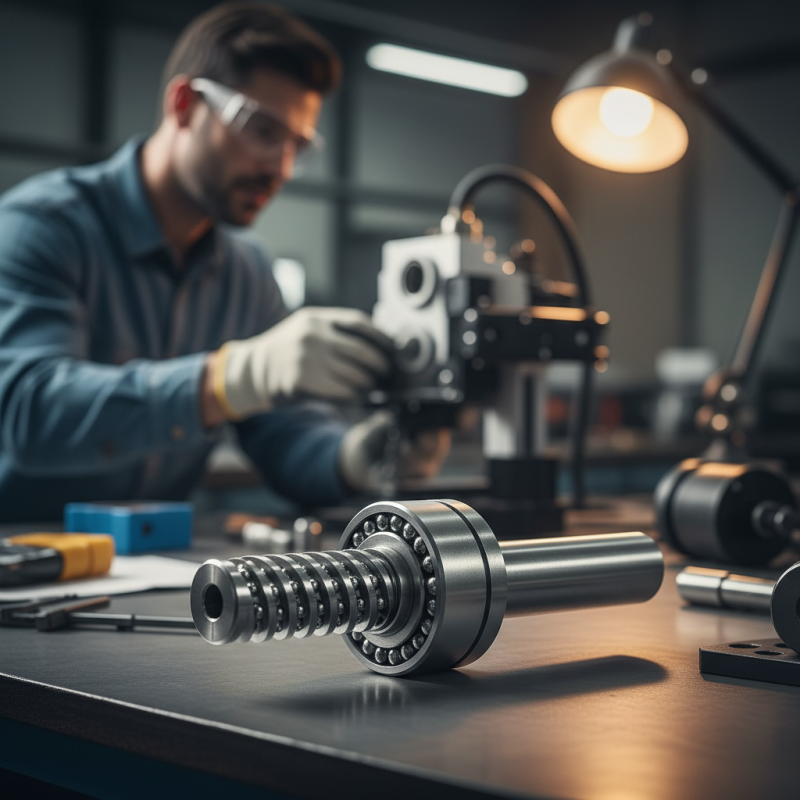
A ball screw is a mechanical device used to convert rotary motion into linear motion. It consists of a threaded shaft and a ball nut. The ball nut contains numerous small balls that roll between the screw and the nut. This setup reduces friction, enabling smoother movement. The design allows for high precision and efficiency in a variety of applications, from industrial machinery to robotics.
When choosing a ball screw, several factors must be considered. The screw's diameter and lead influence the loading capacity and speed. Linear motion systems often require different specifications. Considering the operational environment is essential. Factors like temperature, dust, and humidity can affect performance. It’s vital to think about these conditions to ensure longevity.
Maintenance is another aspect to ponder. While ball screws are durable, they need regular checks. Lubrication helps in reducing wear and tear. Ignoring maintenance can lead to failures. Understanding the trade-offs between performance and upkeep can help in making an informed choice. Consider all these elements to select the right ball screw for your needs.
Key Components of a Ball Screw and Their Roles
A ball screw is a valuable component in many machines. It converts rotary motion into linear motion. The key parts of a ball screw include the screw shaft, nut, ball bearings, and end caps. Each part plays a critical role in its function.
The
screw shaft is the core of the ball screw. It is designed with a helical groove that guides ball bearings. These bearings are essential for reducing friction. The ball screw
nut houses the bearings and is crucial for smooth movement. It often has a precise fit, which impacts performance. End caps secure everything in place and ensure stability.
Choosing the right ball screw requires attention to detail. The diameter and lead of the screw matter. They directly affect speed and load capacity. Too large a screw may not fit your application. Too small may not handle the weight effectively. Testing is essential to find the best match. Experience shows that
small oversights can lead to bigger issues later.
Types of Ball Screws: Which One Is Right for Your Application?
When choosing a ball screw, consider the specific application needs. Ball screws come in multiple types, each designed for unique functionalities. The two common types are rolled and ground ball screws. Rolled ball screws are economical and provide moderate precision. They are suitable for everyday applications but may not perform well under extreme loads. Ground ball screws offer higher precision and durability. They are often used in sophisticated machinery but are typically more costly.
Another vital factor is lead length. A longer lead results in faster movement. However, it can also reduce load-bearing capacity. Thus, striking a balance is crucial. Load ratings and environmental conditions are equally important. If your application involves high temperatures or contaminants, protective features become essential. It’s also worth noting that installation quality affects the overall performance of the ball screw.
Consider testing multiple options before making a final decision. Prototyping can reveal shortcomings that may not be visible in initial calculations. Factors like noise level and backlash should also be evaluated. Take your time when selecting. It’s a decision that impacts efficiency and longevity.
Factors to Consider When Choosing a Ball Screw for Sale
When selecting a ball screw for your project, there are several critical factors to keep in mind. Understanding the load capacity is essential. The ball screw should handle both static and dynamic loads effectively. Choose a screw that matches or exceeds your requirements to avoid premature wear.
Another consideration is the type of ball screw. There are many designs, such as rolled, ground, and precision types. Each type has its benefits. Rolled ball screws are cost-effective but may not offer the same precision as ground ones. Evaluate your application to determine which type fits best.
Tips: Always check the lead accuracy. A slight deviation can lead to significant issues in complex tasks. Additionally, consider the environment where the ball screw will operate. Extreme temperatures or humidity can affect performance. Lastly, don’t overlook the installation requirements. Take time to ensure proper alignment and support to maximize longevity.
Maintenance Tips for Prolonging the Life of Your Ball Screw
Ball screws see extensive use in various machines. Proper maintenance extends their lifespan. Regular lubrication is crucial. Manufacturers suggest using quality lubricants to reduce wear. A clean ball screw operates more efficiently. Dust and debris can cause significant damage over time.
Temperature control is also important. A ball screw's performance can diminish under extreme heat. Keeping operating temperatures within recommended limits helps maintain functionality. Monitoring for unusual noises can be useful. Any change may indicate an underlying issue.
Routine checks can prevent major failures. For instance, inspect alignment regularly. Misalignment can lead to faster wear. Many reports indicate that improper handling during installation contributes to premature failures. Awareness of these factors can enhance productivity and save costs in the long run.