What is BBL Hair Removal and Its Benefits for Global Buyers
In recent years, BBL Hair Removal has gained significant attention among global buyers seeking effective and lasting solutions for unwanted hair. Dr. Emily Tran, a leading dermatologist in the field, states, "BBL Hair Removal is not just about aesthetics; it’s a journey toward confidence." This approach highlights its importance in improving self-esteem and promoting well-being.
BBL Hair Removal utilizes advanced technology to target hair follicles with precision. Unlike traditional methods, it offers a more comfortable experience with faster session times. Users often report noticeable results after just a few treatments. However, potential buyers should consider individual skin types and hair characteristics. Each person's experience may vary, and consultation with a professional is crucial.
Despite its benefits, some may face challenges, such as skin sensitivity or cost considerations. It is essential to weigh the pros and cons carefully. As the demand for BBL Hair Removal grows, understanding its impact and limitations is vital in making an informed decision. This treatment embodies a blend of innovation and personal care, making it a noteworthy option for those exploring hair removal solutions.
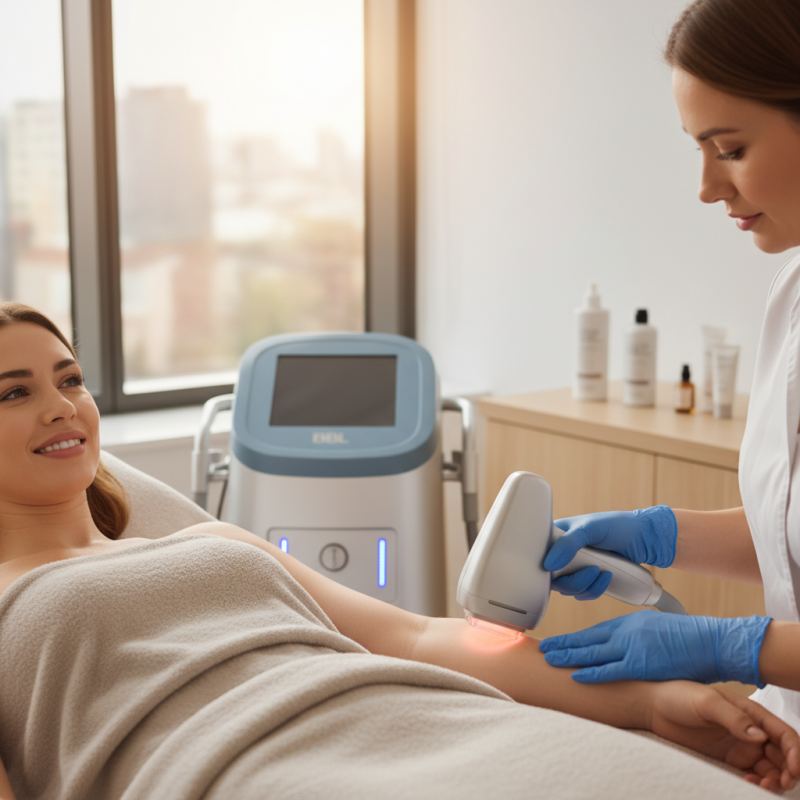
What is BBL Hair Removal and How Does It Work?
BBL hair removal, or BroadBand Light hair removal, is a modern technique utilizing intense pulsed light. This method targets hair follicles, delivering a precise light energy that inhibits hair growth. The process is non-invasive and is well-regarded within the dermatological field for its effectiveness.
Clinical studies indicate that BBL can achieve a hair reduction rate of up to 80% after multiple sessions. Patients typically require 4 to 6 treatments for optimal results. The procedure not only eliminates hair but also improves skin texture. Many users report smoother skin and fewer ingrown hairs compared to traditional methods like shaving or waxing.
However, it’s important to note that results may vary. Factors such as skin tone and hair color significantly influence efficacy. Some individuals may experience mild side effects, such as redness or temporary discomfort. Understanding these aspects can help set realistic expectations. Ongoing research continues to refine BBL applications, ensuring this method remains at the forefront of hair removal solutions.
What is BBL Hair Removal and Its Benefits for Global Buyers
| Feature | Description |
| What is BBL? | BroadBand Light (BBL) is a hair removal treatment that uses high-intensity light to target and destroy hair follicles. |
| How Does It Work? | BBL emits a range of light wavelengths that are absorbed by the pigmentation in the hair, leading to its destruction while sparing the surrounding skin. |
| Treatment Duration | Each session lasts about 15 to 60 minutes, depending on the area being treated. |
| Sessions Required | Typically, multiple sessions (3-6) are needed for optimal results. |
| Benefits | Long-lasting hair reduction, minimal discomfort, quick recovery time, and suitable for various skin types. |
| Ideal Candidates | People looking for a more permanent solution to unwanted hair and who have light to medium skin tones. |
| Post-Treatment Care | Avoid sun exposure and use sunscreen; follow any specific aftercare instructions from the provider. |
Key Advantages of BBL Hair Removal for Users Worldwide
BBL hair removal is gaining traction among users worldwide. This technology uses broad-spectrum light to target hair follicles. Studies indicate an average hair reduction of 70% after a series of treatments. This efficacy appeals to global buyers seeking reliable and long-lasting results.
One key advantage of BBL hair removal is its versatility. It's suitable for various skin types and hair colors, making it a popular choice. Reports show that 80% of participants experienced minimal discomfort during sessions. However, not all users achieve the same results, leading to varied experiences. Users may need to adjust their expectations based on skin sensitivity and hair growth cycles.
Additionally, the procedure requires less downtime compared to traditional methods. Many users can resume normal activities immediately following treatment. This convenience attracts busy lifestyles that prioritize efficiency. Yet, it’s important for potential users to discuss their specific skin conditions with experienced professionals to ensure optimal outcomes. Some individuals may experience temporary redness or irritation post-treatment, a reality that requires consideration.
Comparative Analysis: BBL Hair Removal vs. Traditional Methods
BBL hair removal, or BroadBand Light technology, offers a modern alternative to traditional hair removal methods. Unlike waxing or shaving, which can cause irritation, BBL uses gentle light pulses to target hair follicles. This method is effective for various skin types and can lead to longer-lasting results.
When comparing BBL to traditional methods, the differences are significant. Traditional techniques often require frequent maintenance. Shaving can lead to ingrown hairs, while waxing can be painful. BBL is less invasive and provides a smoother finish, reducing the chances of skin irritation. However, results can vary based on individual skin characteristics.
Tips: Always consult a professional before starting any hair removal treatment. Skin type and hair color can affect effectiveness. Track your progress after sessions. You may find that not all treatments yield immediate results. Set realistic expectations to avoid disappointment. Regular follow-ups can enhance overall satisfaction.
Comparison of BBL Hair Removal and Traditional Hair Removal Methods
Target Demographics and Market Trends in BBL Hair Removal
The demand for BBL hair removal has been steadily rising. According to industry reports, the global market for hair removal devices is expected to reach $2 billion by 2026. This growth reflects changing demographics and an increased awareness of personal grooming. Many individuals, especially women aged 18-35, are seeking effective and non-invasive hair removal methods. This trend is largely driven by social media influence and beauty standards.
In recent years, regions like North America and Europe have shown high adoption rates of BBL technology. A 2020 survey revealed that 40% of respondents in these regions consider hair removal a crucial part of their beauty routine. However, there remains a gap in understanding the technology. Potential clients often grapple with misconceptions and uncertainties about risks and benefits. Education and transparency from service providers can address these concerns, helping consumers make informed decisions.
Moreover, the technology appeals to a diverse audience. Individuals from various ethnic backgrounds are beginning to utilize BBL hair removal for its speed and effectiveness. Yet, the industry must continue to adapt to specific skin types and hair colors. Continuous research could enhance safety and efficacy, leading to more personalized treatment plans for clients. Addressing these challenges is vital for sustaining growth in this evolving market.
Safety and Considerations for Global Buyers of BBL Services
BBL (Broadband Light) hair removal has gained popularity globally for its effectiveness and efficiency. However, safety and considerations surrounding BBL services are crucial for international buyers. A report by the American Society for Aesthetic Plastic Surgery indicates that over 300,000 BBL hair removal procedures were performed in the United States alone last year. This rising trend highlights the importance of understanding safety protocols and potential risks associated with the treatment.
Before opting for BBL services, buyers should consider their skin type and health conditions. Consulting with a qualified professional helps assess individual needs and potential contraindications. Research shows that 30% of clients experience minor side effects like redness or swelling after treatment. Proper aftercare is essential to minimize these effects. Moreover, not all providers maintain the same safety standards. It is imperative for buyers to choose licensed and experienced practitioners to enhance the safety of their procedures.
Furthermore, the understanding of BBL technology is still evolving. While many report satisfaction, some express concerns regarding long-term effectiveness. A study published in a dermatological journal revealed that 20% of patients might require multiple sessions to achieve desired results. This variability should inform potential buyers about managing expectations and planning their treatment journey. Awareness and education are key to nurturing a positive experience amid diverse outcomes.