Top 5 Hydraulic Proportional Valve Benefits You Should Know?
In the world of hydraulic systems, the Hydraulic Proportional Valve stands out for its precision and efficiency. John Smith, a renowned expert in hydraulic technology, once stated, “The Hydraulic Proportional Valve transforms the way we control fluid flow.” This statement highlights the critical role these valves play in optimizing performance.
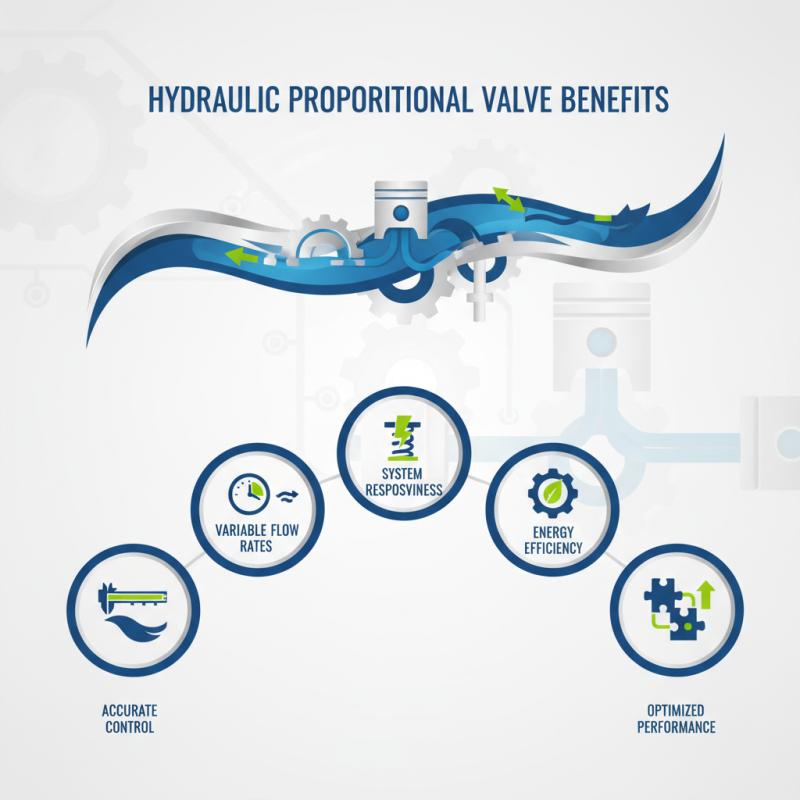
Hydraulic Proportional Valves offer numerous benefits that can significantly impact industrial applications. They allow for accurate control of hydraulic fluid, which is essential for machinery operations. These valves enable variable flow rates, providing operators with the flexibility to adjust performance as needed. Furthermore, they enhance system responsiveness and energy efficiency, which are crucial in reducing operational costs.
While there are many advantages, it’s important to acknowledge that not all systems may require this level of precision. A careful assessment should be made before implementation. Choosing the right Hydraulic Proportional Valve requires expertise and an understanding of system demands. Embracing this technology could lead to groundbreaking improvements, yet it also invites reflections on proper usage and integration into existing systems.
Understanding Hydraulic Proportional Valves and Their Functionality
Hydraulic proportional valves are essential components in modern hydraulic systems. They control the flow and pressure of the hydraulic fluid. By adjusting these two elements, they ensure precise movement of machinery. The functionality of these valves lies in their ability to modulate fluid flow based on signal inputs. This allows for smooth and accurate operation of various equipment.
These valves operate using electrical signals. The input signal alters the valve's position, affecting the hydraulic flow. This precise control is crucial in applications like robotics and construction machinery. However, there can be challenges. For example, a poor signal can lead to erratic movements. Additionally, these valves can be complex and require careful tuning. Maintenance is critical for optimal performance, yet it's often overlooked.
Understanding hydraulic proportional valves is crucial for effective system design. Their benefits include energy efficiency, enhanced control, and reduced wear. However, one must consider potential downsides like initial costs and troubleshooting difficulties. It's important to weigh these factors before implementation. Not every application will benefit equally, so careful analysis is essential.
Improved Control Precision in Hydraulic Systems with Proportional Valves
Hydraulic proportional valves significantly enhance control precision in hydraulic systems. They adjust fluid flow rates based on input signals. This leads to smoother operation and higher accuracy in various applications, such as manufacturing and mobile machinery. Recent industry reports indicate that systems using proportional valves can improve accuracy by up to 30%.
These valves allow for variable flow control, adapting seamlessly to changing demands. This adaptability means operators can achieve desired performance levels without sacrificing efficiency. A study found that improper flow control can lead to significant energy losses, sometimes as high as 15%. Such losses underline the need for better solutions.
However, achieving optimal control requires proper calibration and maintenance. Over time, wear and tear can affect valve performance. Operators must regularly check for signs of degradation. Despite the benefits, proportional valves might not be suitable for every application. In some cases, traditional valves may be more effective, particularly in simpler systems. Finding the right fit is crucial for maximizing efficiency.
Top 5 Hydraulic Proportional Valve Benefits
Enhanced Energy Efficiency Benefits of Hydraulic Proportional Valves
Hydraulic proportional valves are transforming energy efficiency in various industries. These valves adjust fluid flow and pressure precisely, leading to reduced energy waste. According to a report by the Hydraulic Institute, using proportional valves can reduce energy consumption by up to 30%. This is crucial for industries striving for sustainability.
Moreover, hydraulic proportional valves enhance system responsiveness. They allow machinery to operate smoothly and efficiently. A study by the Fluid Power Society noted that integrating these valves results in increased productivity by 20%. This efficiency comes from the valves' ability to precisely control actuator movements. However, users must remain vigilant. Improper calibration can undermine these benefits.
One potential challenge is the upfront cost. While proportional valves offer long-term savings, the initial investment can be significant. Companies must weigh these factors carefully. Training personnel on new systems is also essential. Without proper training, the potential benefits may not be fully realized. Investing in hydraulic proportional technology is a step forward, but it demands careful consideration.
Reduced Wear and Tear: Longevity of Hydraulic Systems with Proportional Valves
Hydraulic systems are vital in many industries. The longevity of these systems often depends on the components used. Proportional valves are crucial for reducing wear and tear. They adjust the flow and pressure precisely, which leads to smoother operation. This precision minimizes abrupt changes that usually stress machine parts.
When a system operates steadily, the risk of overheating decreases. Overheating can cause significant damage. Proportional valves enhance overall efficiency by ensuring proper control over hydraulic fluid. This means less energy waste and lower operating costs. However, the installation may require careful planning. Any oversight can lead to complications later.
Regular maintenance is key for these valves. They need to be checked for responsiveness and any potential blockage. If ignored, even the best components can fail. Understanding their importance is crucial for maximizing system life. Proportional valves provide benefits, but they also require ongoing attention.
Versatile Applications: Industries Utilizing Hydraulic Proportional Valves
Hydraulic proportional valves are crucial in various industries. Their ability to deliver precise control over fluid flow makes them valuable in applications ranging from manufacturing to agriculture. In construction, these valves help control hydraulic systems in equipment like excavators and loaders. They ensure heavy machines operate smoothly, enhancing efficiency and safety.
Agricultural machinery also benefits from hydraulic proportional valves. These valves allow for the fine control needed in tasks like planting and fertilization. Farmers can adjust the flow of hydraulic fluid to different attachments, adapting quickly to changing field conditions. This flexibility leads to better crop yields and resource management.
However, not all applications are perfect. Some industries face challenges with valve tuning and maintenance. Over time, hydraulic systems can develop leaks that compromise performance. This necessitates regular checks and adjustments to maintain optimal functionality. Engineers must continually assess how these valves operate in real-world conditions, identifying areas of improvement and innovation.