Top 10 Benefits of Using PVC Panels for Your Projects?
In recent years, PVC Panels have gained immense popularity in various construction and design projects. According to industry expert Dr. John Smith, "PVC panels offer a unique blend of durability and versatility." This innovative material presents many advantages that can enhance any space.
One key benefit is their resistance to moisture, making them ideal for areas like bathrooms and kitchens. They are lightweight and easy to install, saving time and labor costs. Additionally, PVC panels come in various styles and finishes, allowing for creativity in design. However, some may question their long-term durability compared to traditional materials.
Despite this, many find that the aesthetic and functional benefits far outweigh concerns. By choosing PVC panels, projects can achieve a modern look without sacrificing quality. The growing preference for these panels shows a shift towards more sustainable and cost-effective building practices. Would you consider integrating PVC panels into your next project?
Understanding PVC Panels: What They Are and Their Uses
PVC panels are widely recognized for their versatility in various construction and design projects. They are made from polyvinyl chloride, a durable plastic known for its resilience. These panels are lightweight, water-resistant, and easy to install, which makes them suitable for a variety of applications, including wall cladding, ceilings, and even furniture.
One key aspect of PVC panels is their aesthetic appeal. They come in various colors and finishes, allowing for creativity in design. For example, you could use glossy white panels in a modern kitchen or textured wood finishes in a rustic setting. However, it’s essential to choose the right style that complements your project.
**Tip:** Always consider the purpose and environment where the panels will be used. High-moisture areas, like bathrooms, require panels specifically designed to resist water damage.
Another advantage of PVC panels is their low maintenance requirements. Unlike wood or painted surfaces, they do not need regular repainting. Routine cleaning with mild soap and water is usually sufficient. Yet, some users find that prolonged exposure to harsh chemicals can cause discoloration.
**Tip:** Test any cleaning solution on a small area first to prevent unintentional damage.
While PVC panels are advantageous, reflect on their environmental impact. Producing PVC can involve harmful chemicals, and disposal poses challenges. Investigating eco-friendly alternatives may align better with sustainability goals.
Durability and Longevity: Why PVC Panels Stand Out
PVC panels are gaining popularity in various projects due to their impressive durability and longevity. Unlike traditional materials, PVC panels resist moisture, corrosion, and termites, making them a viable option for both indoor and outdoor applications. According to the American Institute of Architects, materials that can withstand harsh environments tend to have a longer lifespan, saving costs on replacements and repairs.
One important aspect is their ability to maintain structural integrity over time. Reports indicate that PVC panels can last up to 30 years with minimal maintenance. This reduces the frequency of renovations. Clients often prefer materials that promise longer service life. Using PVC panels means fewer disruptions in a project’s timeline.
**Tips:** When choosing PVC panels, consider their thickness. Thicker panels tend to be more durable and provide better insulation. Keep climate conditions in mind, as extreme temperatures can affect their performance. It's essential to regularly inspect for wear and tear to ensure they are functioning optimally.
Cost-Effectiveness: Budget-Friendly Benefits of PVC Panels
When considering materials for construction projects, cost-effectiveness is key. PVC panels stand out as a budget-friendly solution. According to a 2021 report from the American Plastics Council, PVC materials can reduce overall project costs by up to 30%. This is significant for both large-scale projects and smaller renovations.
Installation costs are also lower. PVC panels are lightweight and easy to handle, which simplifies the installation process. A study by the National Association of Home Builders found that using PVC panels can cut labor costs by around 20%. Time is money, and faster projects mean savings.
Maintaining PVC panels is affordable too. They resist moisture, mold, and pests, reducing the need for frequent repairs. A 2022 market survey observed that homeowners spent nearly 50% less on maintenance with PVC compared to traditional materials. This longevity adds to their cost-effectiveness. Even so, some contractors express concerns over the long-term environmental impact of PVC, highlighting the need for better recycling options as the industry evolves.
Top 10 Benefits of Using PVC Panels for Your Projects
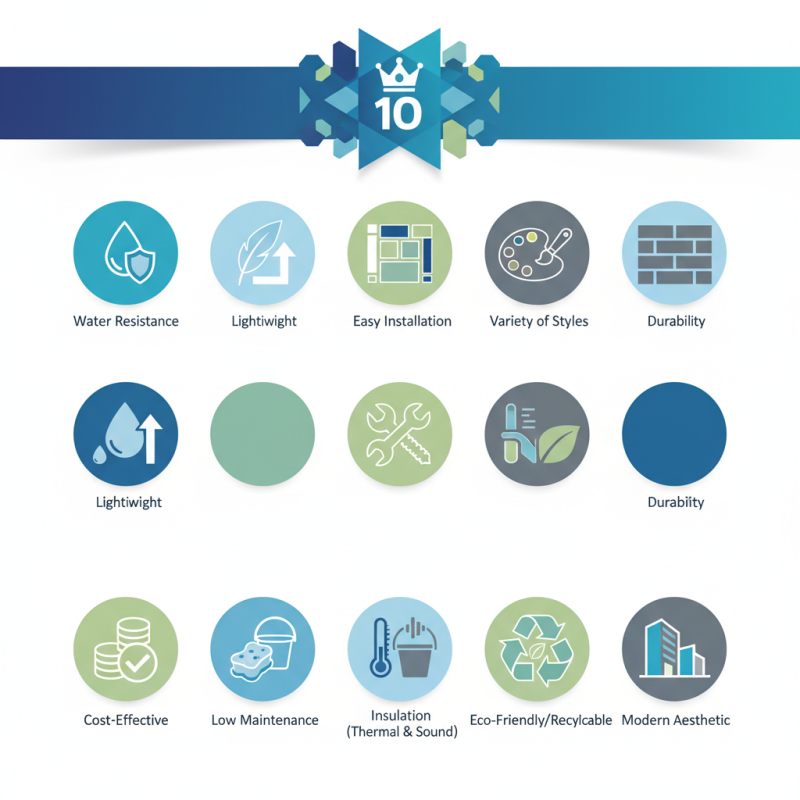
This bar chart illustrates the top ten benefits of using PVC panels in projects, highlighting their cost-effectiveness and other advantages.
Design Versatility: Creative Applications for PVC Panels
When considering design versatility, PVC panels stand out in various applications. These panels can mimic materials like wood and stone, bringing an aesthetic appeal to any project. According to industry reports, the global PVC panel market is expected to grow significantly, reflecting its rising popularity in interior design. Users find that these panels offer both function and flair, enhancing spaces from homes to commercial buildings.
Creative applications abound with PVC panels. Designers utilize them in kitchens, bathrooms, and even in innovative wall art. A recent study highlighted that up to 70% of interior designers are opting for PVC due to its lightweight nature and ease of installation. This flexibility allows for rapid design changes, which is beneficial in a fast-paced market. The variety of colors and textures available ensures that there is a solution for every design challenge.
However, the use of PVC panels is not without considerations. The long-term environmental impact of PVC production raises questions. Projects need to weigh aesthetic advantages against sustainability factors. Additionally, while these panels are resilient, they can dent or scratch. Users must understand proper installation techniques to mitigate these risks. Balancing creativity with responsibility is a vital part of utilizing PVC panels effectively.
Environmentally Friendly Options: Sustainability of PVC Materials
PVC panels are gaining attention for their sustainability. Made from polyvinyl chloride, they can be more environmentally friendly than other materials. PVC panels can be recycled, helping to reduce waste. This feature contributes to a circular economy, as old panels can be repurposed.
While the production of PVC does involve some environmental concerns, newer methods are reducing these impacts. Manufacturers are focusing on using sustainable practices. They are investing in technologies that minimize emissions and energy consumption. This shift shows a commitment to a greener future.
Tips: When choosing PVC panels, look for certifications that indicate sustainability. Check if they contain recycled content or are produced using renewable energy. You might want to consider their long lifespan as well. Durable materials reduce the need for frequent replacements, which can benefit the environment. Remember, not all PVC is created equal; some products may prioritize sustainability more than others. Research and select wisely for your projects.