2026 Best Belt Tester for Quality Control in Manufacturing?
In the evolving world of manufacturing, maintaining high-quality standards is essential. A reliable quality control process can help achieve this. The role of a Belt Tester is pivotal in this endeavor. It measures the durability and performance of belts used in various applications. Selecting the right Belt Tester can significantly impact production outcomes.
Manufacturers face challenges in choosing the ideal tools for quality assurance. The options available vary in technology and capability. Each Belt Tester comes with its unique features. This diversity can make decision-making complex but crucial. An effective Belt Tester not only ensures product quality but also boosts operational efficiency. Key aspects include testing accuracy and user-friendliness.
In 2026, the demand for advanced Belt Testers will continue to rise. New technologies will enhance test accuracy and streamline operations. However, manufacturers must remain cautious. Over-relying on technology could lead to oversights. A balanced approach is vital to leverage the best tools for quality control.
Overview of Belt Testing in Manufacturing Quality Control
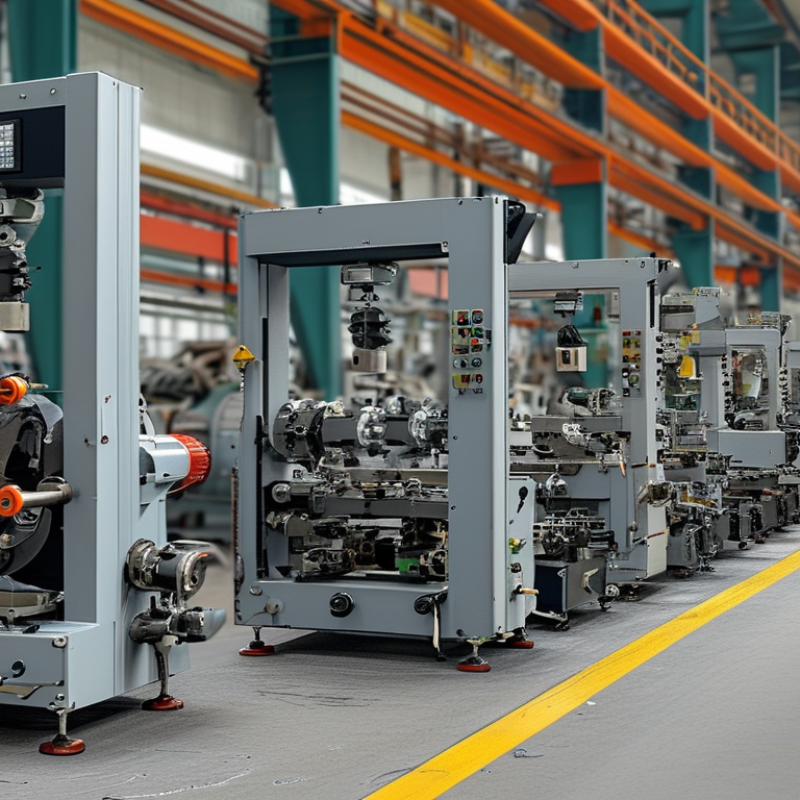
Belt testing in manufacturing quality control is crucial. It ensures that belts withstand operational stresses and maintain performance. Regular testing helps identify weaknesses before they lead to failures. Many organizations overlook this step, which can lead to unexpected downtime and costly repairs.
Different methods exist for testing belts. These include tensile strength tests and wear tests. Each test provides insights into the belt's durability and effectiveness. A well-defined testing regime can reveal issues early. However, it requires careful planning and resources that some companies may lack.
While standards exist, not every manufacturer adheres to them. Variability in methods can skew results, making comparisons difficult. Understanding the specific context of testing is key to making informed decisions. Being aware of potential gaps in testing procedures is essential. Businesses should aim to continuously improve their processes for better quality control.
Key Features of an Effective Belt Tester
When discussing the best belt tester for quality control in manufacturing, it's essential to consider the key features that enhance its effectiveness. Effective belt testers need to provide accurate and reliable measurements. These features ensure that the quality of materials meets the required standards. Precision in performance can make a difference in the manufacturing process.
Measuring tensile strength is critical. A good belt tester should gauge how much force the belt can handle before it fails. This feature helps prevent costly production delays. Another vital aspect is the tester's adaptability. The ability to work with various belt types ensures versatility in the manufacturing environment.
For optimal testing, make sure the machine is user-friendly. A simple interface reduces the risk of operator error. Regular calibration is also vital; neglecting this can lead to inaccurate readings. Additionally, investing in robust technology can mitigate future repair costs. In quality control, the right tools can significantly impact the final product’s reliability. Always seek equipment with warranties or support options to safeguard your investment.
Top Brands and Models in 2026 for Belt Testing
When selecting the best belt testers for quality control in manufacturing, understanding the latest advancements in technology is crucial. In 2026, several models stand out based on their accuracy and reliability. Recent reports suggest that nearly 78% of manufacturers prioritize precise belt measurements for enhancing product quality.
Leading models feature user-friendly interfaces and advanced calibration options. Many units now include real-time data analytics, which aids in monitoring performance continuously. In a recent study, companies utilizing modern belt testing technology reported a 25% reduction in material waste. This statistic underscores the importance of investing in high-quality testing equipment.
Choosing the right belt tester can be challenging. Manufacturers need to consider the specific requirements of their production lines. Factors like testing speed, durability, and ease of maintenance are critical. Some companies still rely on outdated models, risking accuracy. As the industry evolves, staying updated with the latest models and technology will help ensure consistent product quality.
Comparative Analysis of Belt Testers and Their Applications
In the realm of manufacturing, belt testers play a crucial role in ensuring product quality. A recent industry report highlighted that nearly 70% of manufacturing defects are tied to conveyor system failures. This statistic underscores the need for effective testing solutions. Various belt testers exist, each designed to evaluate different belt characteristics. For instance, tensile strength, elongation, and adhesion tests are fundamental. They help in identifying potential failures before they escalate into larger issues.
Different applications warrant specific types of belt testers. Depending on the material and environmental conditions, manufacturers may prefer tensile testers for heavy-duty applications and contact angle measurements for lighter belts. According to the latest data from a manufacturing quality study, over 50% of companies experienced downtime due to inadequate testing during the production phase, showing the economic impact of poor quality. It's crucial for manufacturers to select a testing solution that addresses both their specific needs and the typical challenges faced in their operational context.
However, many companies often overlook the importance of regular testing. Some may assume that one-off assessments are sufficient, but the reality is more complex. Continuous monitoring is necessary to maintain quality control. The disparity in testing frequency among companies highlights an area for improvement. By committing to rigorous and regular evaluations, manufacturers can enhance operational efficiency and minimize product recalls.
2026 Best Belt Tester for Quality Control in Manufacturing
Future Trends in Belt Testing Technology for Manufacturing
As manufacturing operations advance, quality control remains pivotal. Belt testing technology is evolving rapidly. Future trends suggest a move towards more automated processes. Automation can enhance accuracy and reduce human error. Yet, not all manufacturers are ready for this shift. Some might still rely on traditional methods.
New technologies, like AI and machine learning, are on the horizon. These innovations can analyze data in real-time. Manufacturers can benefit from immediate feedback on quality issues. However, integrating AI into existing systems can be challenging. It requires proper training and infrastructure upgrades.
Considering the future, manufacturers need to adapt. Investing in new belt testing technologies is critical. Older methods may no longer suffice. Regular training for staff is essential. Workers must understand the latest tools and processes. This knowledge helps bridge the gap between traditional practices and modern technology. Upgrading your technology while maintaining a human touch can ensure quality control thrives in the future.