Best CO2 Beauty Laser Solutions for Global Buyers?
In the beauty industry, the demand for effective skin rejuvenation tools continues to rise. One standout option is the CO2 Beauty Laser. This technology has transformed the landscape of aesthetic treatments, offering both precision and effectiveness. Alongside its growing popularity, understanding its capabilities is essential for global buyers.
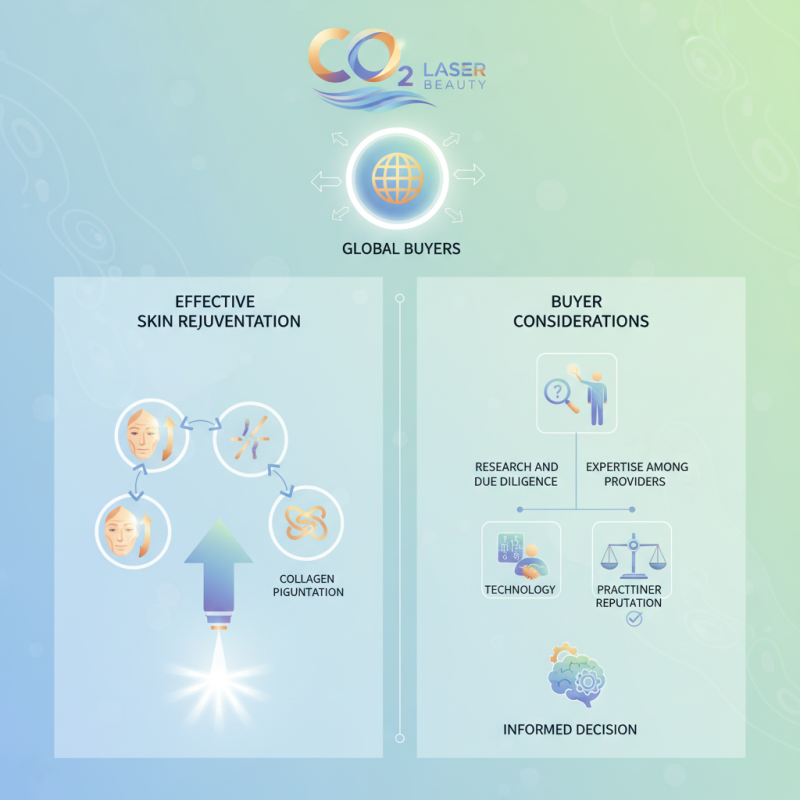
CO2 Beauty Lasers are renowned for their ability to target skin imperfections. They can address wrinkles, scars, and pigmentation issues. Experts emphasize that this laser type promotes collagen production, enhancing skin elasticity. However, potential buyers should consider the varying levels of expertise among providers. Not all clinics may deliver exceptional results.
Investing in a CO2 Beauty Laser demands research and due diligence. The market is saturated with equipment and providers, making it hard to choose. Some devices may promise quick results but fall short in efficacy. Buyers must evaluate not just the technology but also the experience and reputation of practitioners. This careful consideration can make a significant difference in treatment outcomes.
Best Practices for Selecting CO2 Beauty Lasers in 2023
When selecting CO2 beauty lasers in 2023, several key factors come into play. It's crucial to evaluate the technology's efficacy. Reports show that CO2 lasers can improve skin texture and reduce scars by up to 90%. This effectiveness stems from their ability to stimulate collagen production, offering long-lasting results.
Tip: Consider the specific skin type and condition being treated. Different lasers may perform better on various skin tones and types. Consulting with a professional can guide you in choosing the right solution.
Additionally, ensure that the manufacturer complies with international safety standards. A reliable manufacturer adheres to FDA regulations and demonstrates clinical trial results that validate safety claims. This information is essential for making an informed decision.
Tip: Look for user testimonials and clinical evidence to gauge effectiveness. A product with a track record of success is often more trustworthy than new entries lacking proven results.
Overall, finding a suitable CO2 beauty laser requires a balance of technology, safety, and proven outcomes. Prioritize research and expert advice to navigate the options available.
Market Trends: Growth and Demand for CO2 Laser Treatments Globally
The demand for CO2 laser treatments is surging worldwide. Many are drawn to these solutions for their effectiveness in skin rejuvenation. Professionals report significant growth in clinics offering these treatments. Patients seek results for wrinkles, scars, and uneven skin tone. This trend reflects an increasing awareness of skincare options across various demographics.
As the market expands, so does the need for qualified practitioners. Not every clinic has the same level of expertise. Potential buyers should be prudent and research providers. Look for certifications and client testimonials. The risk of poor results can lead to dissatisfaction and harm. Industry experts emphasize the importance of choosing credible sources for treatment.
While CO2 lasers show remarkable potential, they aren't without challenges. Recovery can be lengthy, and side effects may occur. Individuals must weigh these factors carefully. Professionals should communicate these risks transparently. The global appetite for CO2 beauty lasers continues to grow. Yet, as demand rises, so too does the responsibility for safety and education in the field.
Best CO2 Beauty Laser Solutions for Global Buyers
| Region | Market Size (Million $) | Growth Rate (%) | Key Treatment Types | Main Trends |
| North America | 800 | 6.5 | Skin Resurfacing, Scar Revision | Increased Demand for Aesthetic Procedures |
| Europe | 600 | 5.8 | Wrinkle Reduction, Acne Scar Treatment | Adoption of Non-Invasive Procedures |
| Asia-Pacific | 500 | 7.2 | Skin Tightening, Pigmentation Treatment | Rapid Urbanization and Increased Spending |
| Latin America | 300 | 4.0 | Laser Hair Removal, Skin Rejuvenation | Emerging Market Growth |
| Middle East & Africa | 200 | 6.0 | Scar Treatment, Photorejuvenation | Investment in Healthcare & Aesthetics |
Key Features and Technologies in Modern CO2 Beauty Laser Devices
Modern CO2 beauty laser devices have revolutionized skin treatments. They employ advanced features for precise applications. These lasers target various skin issues, including wrinkles, scars, and pigmentation. According to a report by Grand View Research, the global CO2 laser market is expected to reach $4.5 billion by 2027, indicating a robust demand for these technologies.
Key technologies include fractional CO2 lasers. These devices create micro-injuries to boost collagen production, enhancing skin texture and appearance. Also, adjustable energy settings allow for personalized treatments, catering to varied skin types. Real-time feedback systems improve safety during procedures. Knowledge in skin anatomy is vital for practitioners to achieve optimal results.
Tip: Always consider a consultation prior to treatment. Understand your skin type and the potential risks involved. Post-treatment care is crucial for recovery. Monitor any unexpected reactions closely. Exploring multiple treatment options will help refine your decision.
Safety Standards and Regulations in the CO2 Laser Industry
In the CO2 laser industry, safety standards are critical. Regulatory bodies like the FDA and ISO set guidelines to ensure user and patient safety. According to a recent report by the Laser Institute of America, compliance with these standards reduces the risk of accidents significantly, by nearly 40%. Proper training and certification for operators play an essential role in adhering to these safety protocols.
Quality control in manufacturing CO2 lasers is another vital area. Devices should undergo rigorous testing to prevent failures during procedures. A study published in "Laser Surgery and Medicine" highlighted that nearly 15% of accidents stem from equipment malfunction. Regular maintenance and inspection of laser machines can mitigate these risks and maintain operational integrity.
The importance of user experience cannot be overstated. Many technicians admit they learn through trial and error. Feedback from professionals emphasizes the need for better training resources. Making safety a priority can help in preventing injuries and enhancing industry standards.
Comparison of Cost-Effectiveness in CO2 Laser Solutions for Clinics
When evaluating CO2 laser solutions, cost-effectiveness is crucial for clinics. A thorough comparison reveals varying expenses and benefits. Initial acquisition costs can be significant, but they reflect the technology's potential. Higher quality machines may demand a more considerable investment upfront. However, they often deliver faster and more effective results. This can result in fewer treatment sessions per patient.
Maintenance costs also play a role. Some lasers require regular upkeep, adding to long-term expenses. Others have lower maintenance needs but may lack certain advanced features. It's vital for clinics to consider ongoing operational costs. Budgeting for consumables like laser cartridges can impact the overall financial plan.
Clinics should carefully assess their target market and treatment demands. They must balance price with performance. Not every advanced feature is necessary for every practice. Some clinics may invest heavily in lasers only to realize they do not use all functions. Reflecting on actual usage can inform better future purchases. This ensures that clinics invest wisely while providing effective treatments.