2026 Best Footrest Bar Options for Global Buyers?
In the realm of ergonomic furniture, the Footrest Bar stands out. It enhances comfort and support in various settings. Industry expert Dr. Emily Danvers states, “An ideal Footrest Bar can transform a workspace into a haven of productivity.”
As global buyers seek the best options for 2026, understanding Footrest Bar features is essential. These bars not only provide physical relief but also improve posture. High-quality materials and adjustable heights are crucial for user customization. An effective Footrest Bar promotes circulation while reducing fatigue during long hours of sitting.
However, not all Footrest Bars are created equal. Some may lack stability or comfort, leading to buyer disappointment. It's important to research and test different models. User reviews can guide choices, highlighting the necessity of personalized fit and durability. Choices may seem overwhelming, but prioritizing needs can simplify the decision-making process.
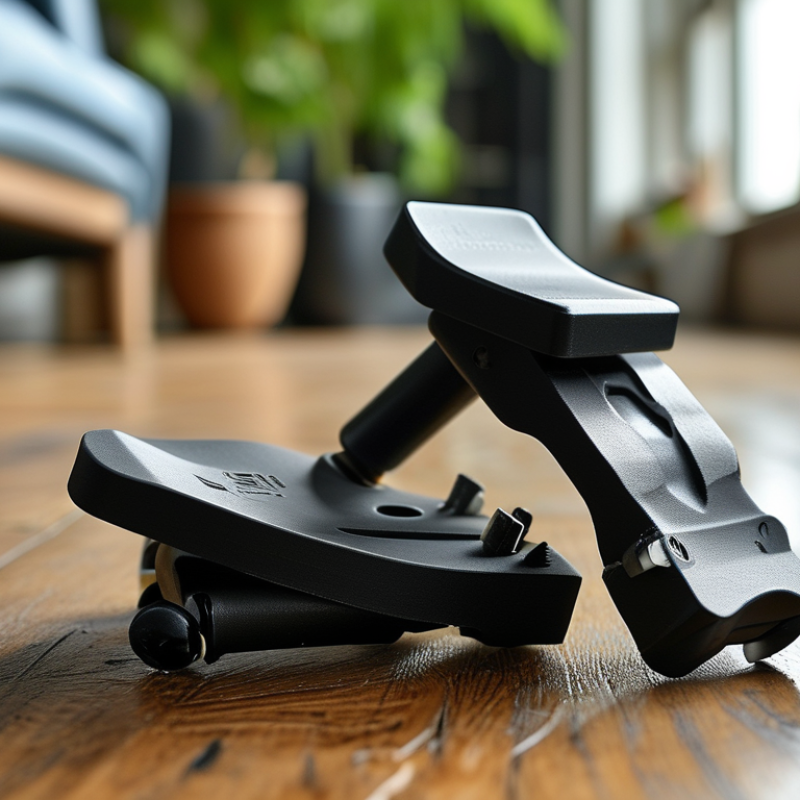
2026 Global Footrest Bar Market Overview and Key Trends
The global footrest bar market is evolving rapidly as more consumers seek ergonomic solutions for comfort. With the rise of remote work, many people now spend long hours at their desks. A proper footrest bar can alleviate discomfort and promote better posture.
Trends indicate a surge in demand for adjustable and stylish footrest bars. Buyers often prefer materials that are both durable and eco-friendly. Incorporating colors that match modern office aesthetics is also gaining popularity. However, not all products meet these preferences. Some may lack the stability users need. It’s essential to test out options before making a purchase.
Tips: Consider the height and adjustability of footrest bars for maximum comfort. Evaluate materials for durability and ease of cleaning. Don’t just follow trends; assess what best suits your workspace needs. Reflect on your position while using a footrest. Small changes can lead to significant improvements in comfort and productivity.
Top Features to Consider When Choosing Footrest Bars for Comfort
When selecting the best footrest bars for comfort, key features should guide your choice. Ergonomics plays a crucial role. A well-designed footrest bar can improve posture and reduce strain. According to a report by the Occupational Safety and Health Administration (OSHA), proper foot positioning can lower back tension by up to 30%.
Material matters too. Look for durable and easy-to-clean options. A footrest bar made from non-slip materials ensures safety. Rubber or textured surfaces provide better grip, reducing the risk of slipping. Industry experts highlight that weight distribution is vital for support. A footrest that can adjust its height caters to varied user needs.
Tip: Test the footrest height. Your feet should rest flat. If not, discomfort may arise.
Consider flexibility as well. Some bars offer tilt adjustments. This feature allows users to find their ideal angle. A survey by the National Institute for Occupational Safety and Health (NIOSH) found that adjustable footrests improved comfort levels for 85% of participants.
Tip: Choose a model that allows you to change positions easily. Regular adjustments can help prevent fatigue.
Comparative Analysis of Top Footrest Bar Brands in 2026
When considering footrest bars, several factors stand out. Comfort is paramount. A well-designed footrest bar should provide adequate elevation for the legs. It can reduce strain during extended periods of sitting. Many users report that the right footrest allows for more comfortable posture while working or relaxing.
Materials matter, too. Common options include wood, metal, and plastic. Each material offers different durability and aesthetics. Some footrests are adjustable, providing flexibility for various user heights. However, this feature often comes with added complexity. Not every adjustable model is easy to use, which can deter buyers.
Comparative analyses show that brand reputation affects buyer choices. Users tend to gravitate towards established names for perceived reliability. However, lesser-known brands may offer innovative features at competitive prices. This discrepancy prompts a deeper examination of personal needs versus brand loyalty. Before making a purchase, potential buyers should weigh functionality against marketing claims.
Consumer Preferences and Buying Behavior in the Footrest Bar Market
In the ever-evolving footrest bar market, consumer preferences are notably diverse. Many buyers prioritize comfort and ergonomic design in their selection. The desire for better posture and foot support drives individuals to seek products that promote well-being. Buyers often browse extensively, comparing features and prices before making a choice. This meticulous approach reflects a growing awareness of the health impacts of prolonged sitting.
A significant trend in consumer behavior highlights sustainability. Many shoppers are interested in environmentally friendly materials. This reflects a broader shift in societal values. However, some consumers may overlook the importance of durability. They often choose aesthetic appeal over long-term functionality. The quest for style can lead to regret if the product fails to meet practical needs over time.
Moreover, online reviews heavily influence purchasing decisions. Shoppers rely on feedback from other users to gauge reliability. It’s not uncommon to see consumers frustrated by misleading descriptions or flawed products. This calls for greater transparency in the market. A shift toward clearer information might foster trust. Ultimately, the balance between comfort, sustainability, and aesthetics will shape future buying behavior in the footrest bar market.
2026 Best Footrest Bar Options for Global Buyers
Sustainability Trends in Footrest Bar Manufacturing and Materials
Sustainability is reshaping the footrest bar industry. Many manufacturers are now using recycled materials. This trend reduces waste and lowers carbon footprints. Sustainable sourcing is also important. It ensures that the materials used are ethically obtained.
Some companies are experimenting with innovative materials. Bamboo and reclaimed wood are gaining popularity. These options are not only eco-friendly but also aesthetically pleasing. On the flip side, sourcing sustainable materials can be challenging. Not all suppliers meet the required standards. This inconsistency raises questions about reliability.
Another aspect worth considering is the production process. Eco-friendly manufacturing reduces energy consumption. However, transitioning to sustainable practices may be costly for some businesses. Not every manufacturer is equipped to make these changes. It’s essential for them to reflect on their impact. Choosing sustainability is a journey, not a destination.