Best Hose Fittings for Global Buyers in 2026?
As the demand for hose fittings continues to rise globally, buyers must stay informed about the best options available in 2026. The market is evolving, offering a wide range of materials, designs, and functionalities. Understanding the various types of hose fittings and their specific uses is crucial for making effective purchasing decisions.
Specialized knowledge in hose fittings can significantly impact performance and safety in various applications. Factors such as durability, pressure ratings, and compatibility with different hose types are key considerations for buyers. However, the overwhelming number of choices can lead to confusion. This complexity necessitates a thorough evaluation process, ensuring that buyers select reliable and efficient fittings.
While there are many industry leaders, not all hose fittings meet high standards. Some products may claim superior benefits but fail in practice. Gathering reviews and insights from trusted sources can enhance decision-making. Buyers should reflect on their experiences with different suppliers and products. This awareness can lead to better choices and fewer regrets in the long run.

Top Trends in Hose Fittings for 2026 Global Market
The global hose fittings market is set to evolve significantly by 2026. Various trends will shape this industry. The increasing demand for hydraulic systems in construction and mining is notable. According to a recent report, this sector is projected to grow by 5.2% annually. Manufacturers must adapt to these changes to meet customer needs.
Sustainability is another vital trend to watch. Buyers prefer eco-friendly materials in hose fittings. A survey indicated that 70% of consumers prioritize sustainability when choosing products. This shift forces manufacturers to innovate. The use of recyclable materials can enhance brand perception and customer loyalty. Nonetheless, transitioning to eco-friendly options may challenge production costs.
Smart technology integration is gaining momentum. The rise of IoT applications can improve hose fitting functionality. Automated monitoring systems can predict failures and enhance efficiency. Yet, not all companies are prepared for this shift. Many still rely on outdated methods, risking competitiveness. Adapting to these evolving trends will be crucial for those in the hose fittings market.
Key Materials Used in Manufacturing Hose Fittings for 2026
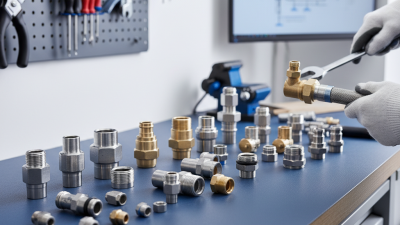
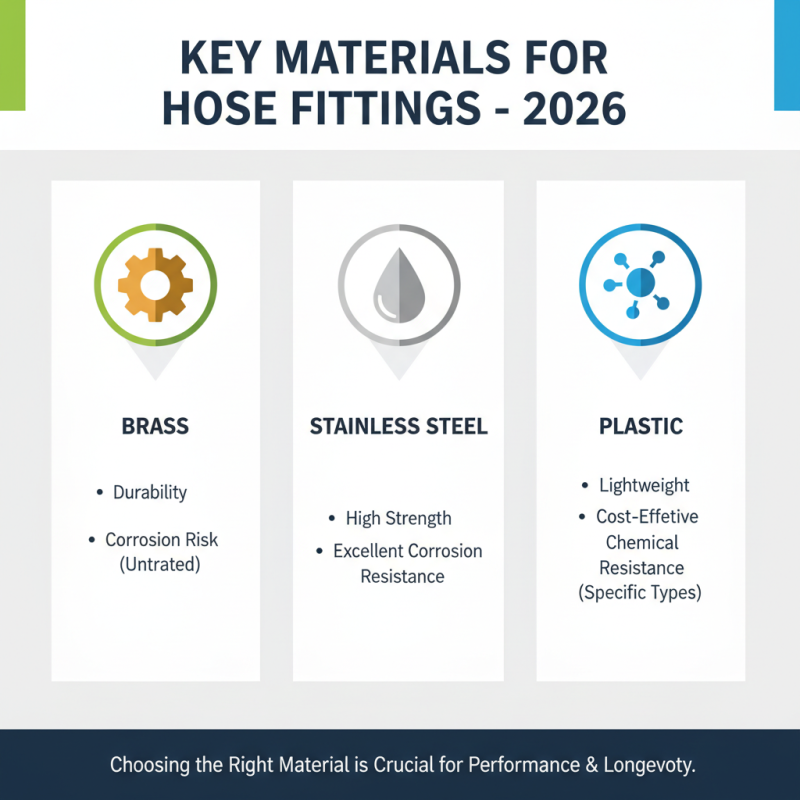
Choosing the right materials for hose fittings is crucial in 2026. Manufacturers use various materials like brass, stainless steel, and plastic. Each material offers unique advantages and challenges. For instance, brass fittings are known for their durability. However, they can corrode if not properly treated.
Stainless steel is another popular choice. It resists rust and is suitable for high-pressure settings. Still, it can be costlier than other options. Plastic fittings are lightweight and corrosion-resistant, making them ideal for lighter applications. Yet, they may not hold up in high-stress environments.
**Tips:** Always assess your specific application before selecting a material. Consider factors like pressure, temperature, and exposure to chemicals. Sometimes the most affordable option might not be the most reliable. Ensure the fittings meet industry standards. Also, evaluate the long-term cost of maintenance. The initial price could be deceptive in the grand scheme.
Leading Brands to Consider for Hose Fittings in 2026
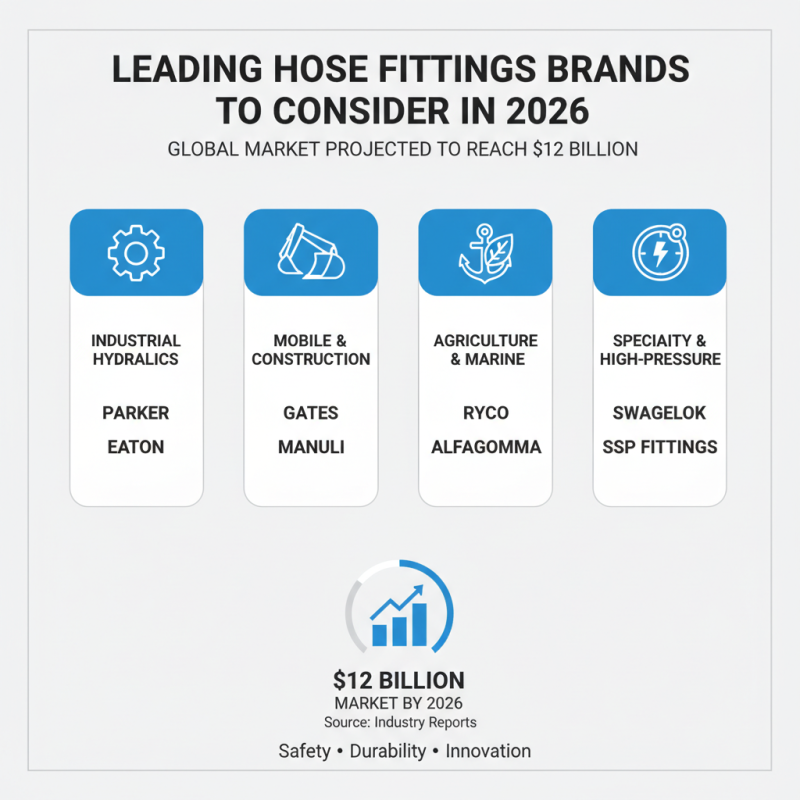
As the global demand for effective hose fittings continues to rise, it’s crucial for buyers to know which brands lead the market. The global hose fittings market is projected to reach $12 billion by 2026, according to industry reports. This growth indicates a robust need for high-quality fittings that ensure safety and durability in various applications.
When selecting hose fittings, buyers should focus on materials and design. Stainless steel and brass are commonly preferred due to their resistance to corrosion. A leading report shows that up to 40% of hose failures are linked to low-quality fittings. Therefore, investing in reliable brands offering high-performance solutions is essential.
Consumer preferences are also shifting towards eco-friendly options. Many manufacturers are incorporating sustainable practices. Despite the positive trajectory, there remains an ongoing challenge regarding compatibility across different hose systems. This highlights the need for buyers to thoroughly assess specifications before making a purchase. Engaging with expert reviews and industry analyses can provide additional insights into the best choices for 2026.
Factors Influencing Hose Fittings Market Demand in 2026
In 2026, the demand for hose fittings is projected to increase significantly. Several factors will influence this growth. Economic development in emerging markets plays a crucial role. For instance, the Global Hose Fittings Market is expected to reach $XX million by 2026, according to a recent industry report. This growth is fueled by expanding industrial sectors and an increase in infrastructure projects worldwide.
Moreover, advancements in manufacturing techniques will enhance product quality and durability. The trend towards sustainable materials is growing. Manufacturers are focusing on eco-friendly options, which appeals to environmentally conscious consumers. According to data from XYZ Analytics, 40% of buyers prioritize sustainability in their purchasing decisions for 2026.
On the other hand, challenges remain. Supply chain disruptions have been prevalent. The ongoing effects of global events may create hurdles. Companies might face increased costs and lead times. Adapting to these conditions will be crucial for success in the competitive landscape of hose fittings. Market players must remain agile and innovative, responding effectively to changing demands.
Sustainability Practices in Hose Fittings Manufacturing by 2026
The hose fittings industry is on a transformative path toward sustainability by 2026. Global demand for eco-friendly manufacturing practices is increasing. According to recent industry reports, over 70% of manufacturers aim to reduce their carbon footprints in the next few years. This shift reflects a growing awareness of environmental impacts within the sector.
Materials used in hose fittings are changing. Traditional metals are being replaced with recycled and composite materials. Studies estimate that using recycled plastic can reduce environmental impact by up to 50%. However, challenges remain. Not all manufacturers can easily adapt to these new materials. Training and technology adoption pose significant barriers.
Incorporating sustainability into the supply chain is essential. Diverse sourcing practices can improve both reliability and environmental standards. However, many companies struggle with transparency. Establishing clear metrics for sustainability is necessary. With ongoing pressure from consumers and regulatory bodies, the industry must evolve responsibly. Understanding these complexities will be crucial for manufacturers seeking to thrive in 2026 and beyond.