2026 Best MS Pipe Options for Your Projects What to Consider?
When embarking on your next construction project, choosing the right materials is crucial. Among these, MS pipes stand out for their durability and cost-effectiveness. According to industry expert Michael Thompson, "The right MS pipe can dramatically influence both the longevity and safety of your project." This insight serves as a key consideration for engineers and builders alike.
MS pipes, or mild steel pipes, offer unique advantages, but they also come with challenges. Not every project requires high-strength materials; sometimes, flexibility is more important. It's essential to analyze the specific needs of your project—this could include pressure levels, environmental factors, and even design elements. Many professionals overlook these details, leading to costly mistakes later on.
While MS pipes present great potential, sourcing them requires diligence. Think about factors such as quality certifications and the reputation of suppliers. The right decisions in this regard can help you avoid potential pitfalls. While it may seem easy to choose MS pipes, a thoughtful approach is necessary to ensure they meet your project's high standards.

Understanding MS Pipes and Their Applications in Various Industries
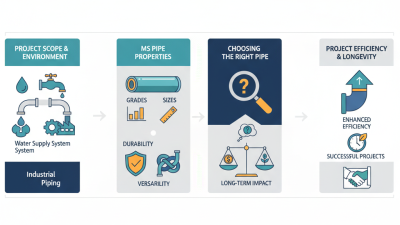
MS pipes, or mild steel pipes, find extensive use across multiple industries. Their durability and strength make them suitable for construction, automotive, and manufacturing sectors. Understanding the unique properties of MS pipes can enhance project outcomes. These pipes can withstand high pressure and offer good corrosion resistance. However, they may require proper protective coatings in certain environments.
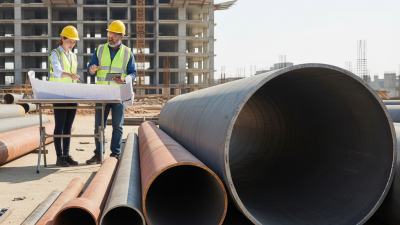
When choosing MS pipes, consider your project's specific needs. Evaluate the thickness and diameter based on the type of fluids that will flow through them. Be mindful of the environmental conditions. Pipes used outdoors may need additional protection to extend their lifespan.
Tips: Always consult industry guidelines. Research the quality of the MS pipes before making a purchase. Seek input from professionals with experience in your particular application. This can save time and ensure reliable performance. Remember, not all pipes are created equal, and quality matters. Make informed choices to avoid costly mistakes down the line.
Key Factors to Consider When Selecting MS Pipes for Your Project
When selecting MS pipes for projects, several key factors warrant attention. First, consider the pipe's thickness and diameter. According to the American Society for Testing and Materials (ASTM), these dimensions directly influence the pipe’s resistance to pressure and flow. Research indicates that variations in thickness can lead to significant performance differences in high-pressure applications.
Material quality is another essential aspect. High-quality MS pipes typically display enhanced strength and durability. A report from the Bureau of Indian Standards highlights that using pipes manufactured with controlled alloying elements can increase lifespan by approximately 30%. Marks of quality include certifications and compliance with national standards.
Additionally, the intended application plays a critical role. For example, pipes used in industrial environments must meet specific corrosion resistance criteria. Yet, selecting the wrong type can lead to failures. The cost-effectiveness of cheaper options often overshadows potential risks, leading to long-term expenses. Reflecting on past projects can steer decision-making in a more informed direction. Understanding these considerations helps ensure the best outcomes for your projects.
Comparison of Different Types of MS Pipe Materials and Coatings
When selecting the best MS pipe options for your projects, the type of material and coating plays a vital role. Mild steel pipes are the most common choice due to their strength and affordability. However, their corrosion resistance is limited. A recent industry report highlights that nearly 30% of structural failures in construction are linked to material degradation. This statistic emphasizes the need for protective coatings.
Epoxy and galvanization are popular coatings for MS pipes. Epoxy provides a seamless barrier against chemicals and moisture, making it suitable for industrial applications. On the other hand, galvanized coatings offer decent protection from abrasion and rust. According to research, galvanized pipes can last up to 20 years in moderate environments. However, their performance diminishes in harsh conditions, often leading to premature failures.
The selection often comes down to project-specific needs. For instance, a project in a coastal area may require high corrosion resistance. This can lead to increased costs and complications if the wrong material is chosen. Experts advise thorough evaluations and testing before final decisions. Opting for another pipe type might reduce risks, albeit at a higher expense. Balancing cost, durability, and compliance with industry standards is essential.
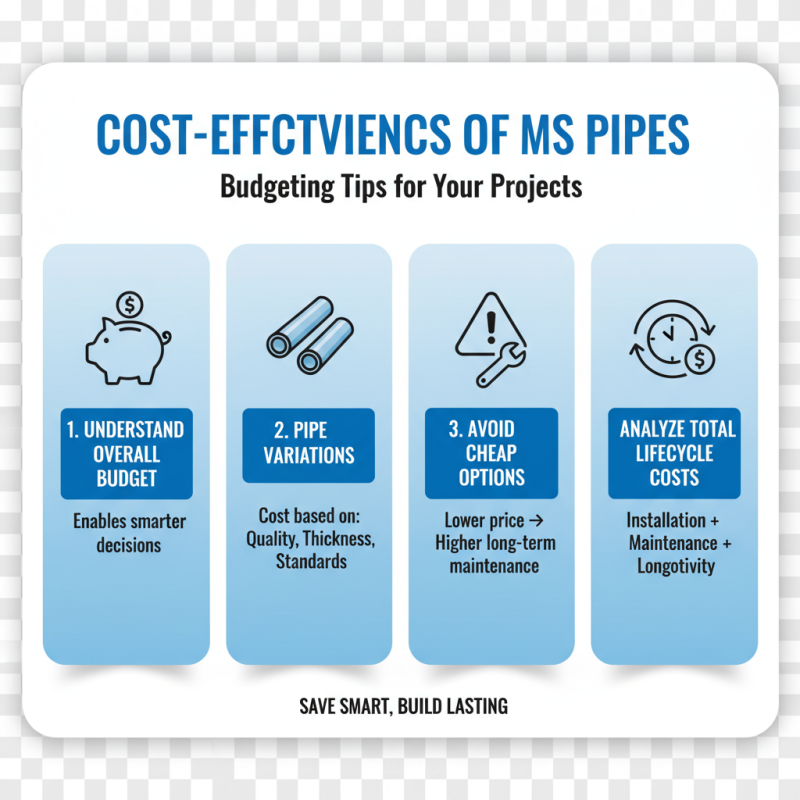
Cost-Effectiveness of MS Pipes: Budgeting Tips for Your Projects
When budgeting for projects that require MS pipes, cost-effectiveness is crucial. Understanding your overall budget allows for smarter decisions. MS pipes vary widely in cost based on quality, thickness, and standards. Often, lower-priced options can lead to higher long-term expenses due to maintenance needs. Analyzing total lifecycle costs is vital.
Tips for budgeting effectively include comparing prices from multiple suppliers. Evaluate the quality of the pipes alongside their costs. This ensures that cheaper options do not compromise the project’s integrity. Estimating potential installation costs can also prevent unexpected financial burdens during the project.
Another tip is to involve experts in your planning stages. Their experience can highlight long-term savings. Regularly reassessing your budget as the project progresses helps maintain financial control. Remember, a well-planned budget not only saves money but can also enhance project outcomes.
Safety Standards and Compliance Requirements for MS Pipe Usage
When considering the use of MS pipes for your projects, safety standards and compliance are paramount. The International Organization for Standardization (ISO) defines various standards, focusing on the physical and chemical properties of pipe materials. According to a report by the American Society for Testing and Materials (ASTM), around 30% of failures in piping systems are linked to improper compliance with these standards.
Compliance with safety standards ensures minimal risks. For instance, pipes must withstand specific pressure levels and temperature fluctuations. In 2020, a study found that 56% of pipe failures occurred due to corrosion, directly tied to substandard materials. Regular inspections and adherence to the National Fire Protection Association (NFPA) codes can mitigate such issues significantly.
Moreover, incorrect installation practices can lead to catastrophic outcomes. Training for installation crews is critical. Reports indicate that 65% of safety incidents arise from inadequate knowledge and skills. Balancing quality and compliance should be a primary focus for any project utilizing MS pipes. Reviewing these standards and updating practices regularly is essential for project success.
2026 Best MS Pipe Options for Your Projects: What to Consider?
| Pipe Diameter (mm) |
Wall Thickness (mm) |
Material Grade |
Maximum Pressure Rating (MPa) |
Compliance Standards |
| 20 |
2.5 |
MS Grade 50 |
1.6 |
ASTM A53, API 5L |
| 25 |
3.0 |
MS Grade 60 |
1.8 |
ISO 3183 |
| 32 |
4.0 |
MS Grade 70 |
2.5 |
BS EN 10219 |
| 40 |
5.0 |
MS Grade 80 |
3.0 |
API 5L PSL-1 |
| 50 |
6.0 |
MS Grade 90 |
4.0 |
ASTM A106 |