10 Best Pipe Fittings and Valves for Your Home Plumbing Needs
When it comes to home plumbing projects, understanding the right components is crucial for success. Among the most essential elements in any plumbing system are pipe fittings and valves. These items ensure that water flows smoothly throughout your home, while also allowing for necessary control over that flow. Selecting the best pipe fittings and valves can significantly influence the overall efficiency and reliability of your plumbing.
In this guide, we will explore the top 10 pipe fittings and valves that every homeowner should consider. By examining the characteristics, materials, and functions of these components, we aim to equip you with the knowledge needed to make informed decisions. Whether you are tackling a DIY plumbing project or simply upgrading existing installations, the right choices can enhance performance and minimize potential issues.
As we delve into the world of pipe fittings and valves, you will gain a clearer understanding of what works best for your specific needs, ensuring a well-functioning plumbing system in your home.
Understanding the Basics of Pipe Fittings and Valves for Home Plumbing
When it comes to home plumbing, understanding pipe fittings and valves is crucial for efficient and effective system management. According to the U.S. Environmental Protection Agency, nearly 10% of homes in the United States have leaks that waste more than 90 gallons of water per day, underscoring the importance of having reliable fittings and valves. These components ensure that your plumbing system operates smoothly, preventing leaks and facilitating proper flow control.
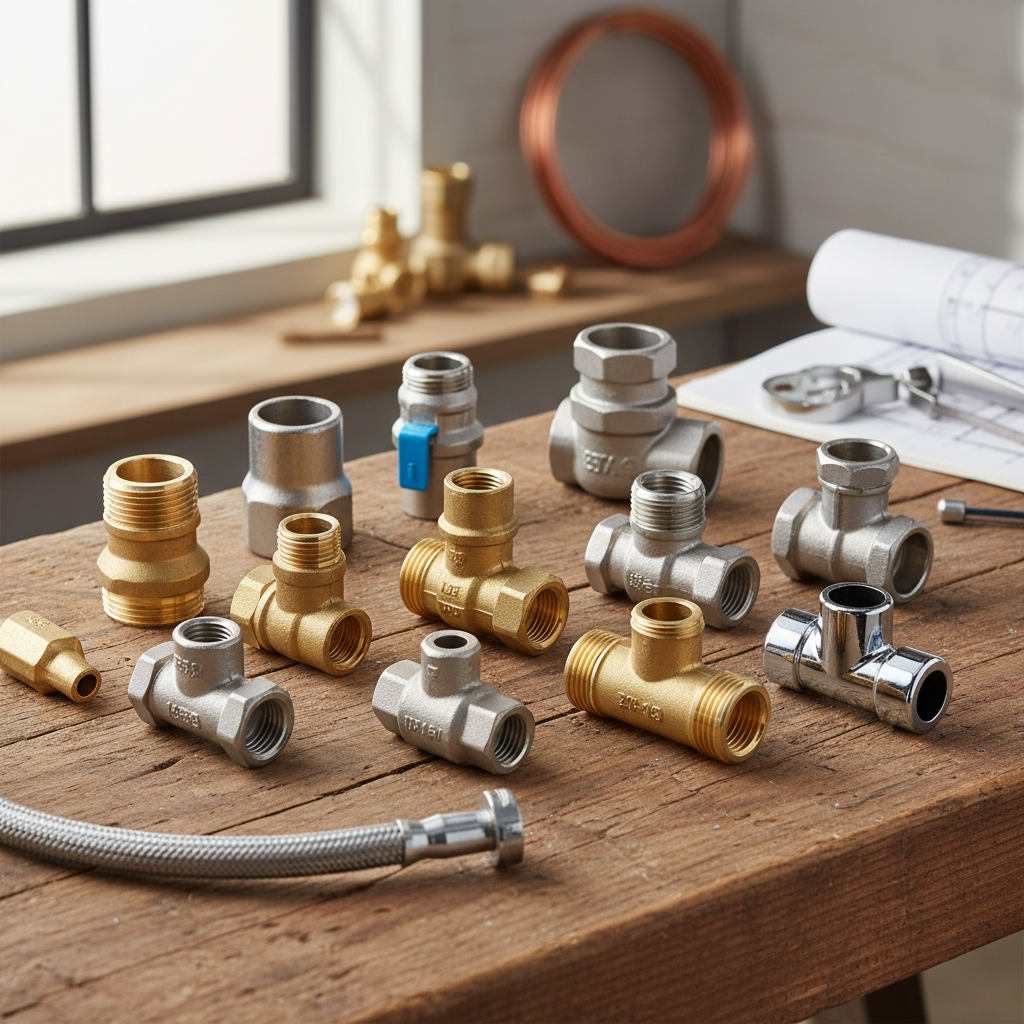
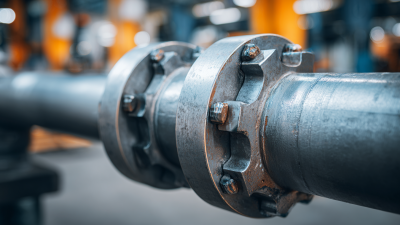
Pipe fittings, such as elbows, tees, and couplings, connect different sections of piping, allowing for changes in direction and diameter. The choice of material—whether PVC, copper, or PEX—can significantly influence durability and maintenance costs. A recent report by the Plumbing Manufacturers International shows that using high-quality fittings can reduce the likelihood of leaks by approximately 30%, saving homeowners both water and money in the long run.
Valves, on the other hand, play a vital role in regulating flow and pressure within your plumbing system. They allow homeowners to control water supply to various fixtures, which can be particularly beneficial in emergencies. Data indicates that implementing quality valves can extend the lifespan of plumbing systems by preventing undue stress, with studies suggesting a 20% decrease in maintenance issues when high-standard valves are used. Investing in the right pipe fittings and valves is essential for maintaining a functional, leak-free home plumbing system.
10 Best Pipe Fittings and Valves for Your Home Plumbing Needs
| Type |
Material |
Size (inches) |
Pressure Rating (PSI) |
Temperature Rating (°F) |
| Elbow |
PVC |
1 |
150 |
140 |
| Coupling |
Copper |
1/2 |
400 |
250 |
| Tee |
Stainless Steel |
3/4 |
600 |
300 |
| Valve |
Bronze |
1 |
800 |
350 |
| Cap |
PVC |
2 |
150 |
140 |
| Reducer |
Plastic |
1/2 to 3/4 |
200 |
120 |
| Ball Valve |
Brass |
3/4 |
600 |
250 |
| Union |
Steel |
1 |
500 |
300 |
| Nipple |
Galvanized |
1/2 |
300 |
200 |
| Flange |
PVC |
2 |
150 |
140 |
Essential Pipe Fittings Every Homeowner Should Consider
When it comes to maintaining a functional home plumbing system, having the right pipe fittings and valves is crucial. According to the American Society of Plumbing Engineers (ASPE), proper fittings can enhance system efficiency and prolong the lifespan of plumbing installations.
From elbows and tees to shut-off valves, each element plays a significant role in facilitating optimal water flow and preventing leaks.
For homeowners gearing up for plumbing improvements, essential pipe fittings like PVC and copper connectors should be at the top of your list. These materials not only offer durability but also resistance to corrosion, which is crucial for ensuring the longevity of your plumbing system.
Furthermore, investing in quality shut-off valves can provide peace of mind during maintenance or emergencies, allowing for quick access to stop water flow.
Tip: Always consider the compatibility of materials when purchasing fittings. Pairing different materials can lead to issues like galvanic corrosion. Tip: Regularly inspect your fittings and valves for signs of wear or leaks to avoid costly repairs down the line.
Following these guidelines can significantly enhance your home’s plumbing efficiency and reliability.
Top Valve Types for Effective Water Control in Plumbing Systems
When it comes to effective water control in home plumbing systems, selecting the right valve types is crucial. Valves play an essential role in regulating flow and maintaining pressure within pipes. According to the American Society of Plumbing Engineers, approximately 20-30% of plumbing issues are attributed to improper valve selection or failure. Thus, understanding the various valve types can significantly enhance the longevity and efficiency of your home plumbing.
Ball valves are among the most popular choices due to their durability and ease of use. They provide a tight seal and can handle high-pressure applications, making them ideal for both residential and commercial settings. A report from the Plumbing Manufacturers International states that using quality ball valves can reduce leaks by as much as 50%, emphasizing their reliability in water control. Another prevalent option is the gate valve, which is well-suited for applications where a straight-line flow of fluid and minimal pressure loss is required. However, it is essential to note that gate valves should be fully opened or closed to avoid damage to the valve mechanism.
Additionally, check valves are vital for preventing backflow in plumbing systems. They allow fluid to flow in one direction while blocking it from reversing, helping to maintain a consistent water supply. Industry experts recommend using check valves in systems susceptible to backpressure, as they can significantly mitigate the risk of contamination and ensure safe water management. By carefully selecting the appropriate valve types, homeowners can achieve effective water control and enhance the overall performance of their plumbing systems.
10 Best Pipe Fittings and Valves for Your Home Plumbing Needs
Choosing the Right Materials for Durability and Performance
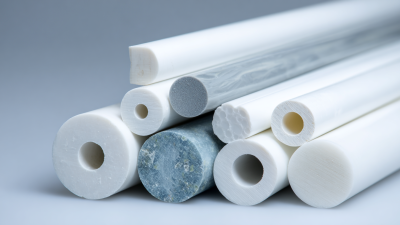
When it comes to home plumbing, the materials you choose for pipe fittings and valves can significantly impact the durability and performance of your system. Opting for high-quality materials such as brass, stainless steel, and PVC ensures better resistance to corrosion and wear, extending the lifespan of your plumbing. Brass fittings, for example, are known for their strength and reliability, making them a popular choice in both residential and commercial applications. Their ability to withstand high pressure and temperature changes adds to their appeal, reducing the likelihood of leaks and other plumbing issues.
On the other hand, plastic materials like PVC and CPVC are lightweight and resistant to corrosion, making them ideal for specific uses, especially in hot and cold water systems. Although they may not be suitable for gas lines or high-pressure applications, they offer significant advantages in terms of ease of installation and cost-effectiveness. Selecting the right material not only enhances the performance of your plumbing but also contributes to energy efficiency and overall sustainability, ensuring that your home remains comfortable and functional for years to come.
Installation Tips for Home Plumbing Fittings and Valves
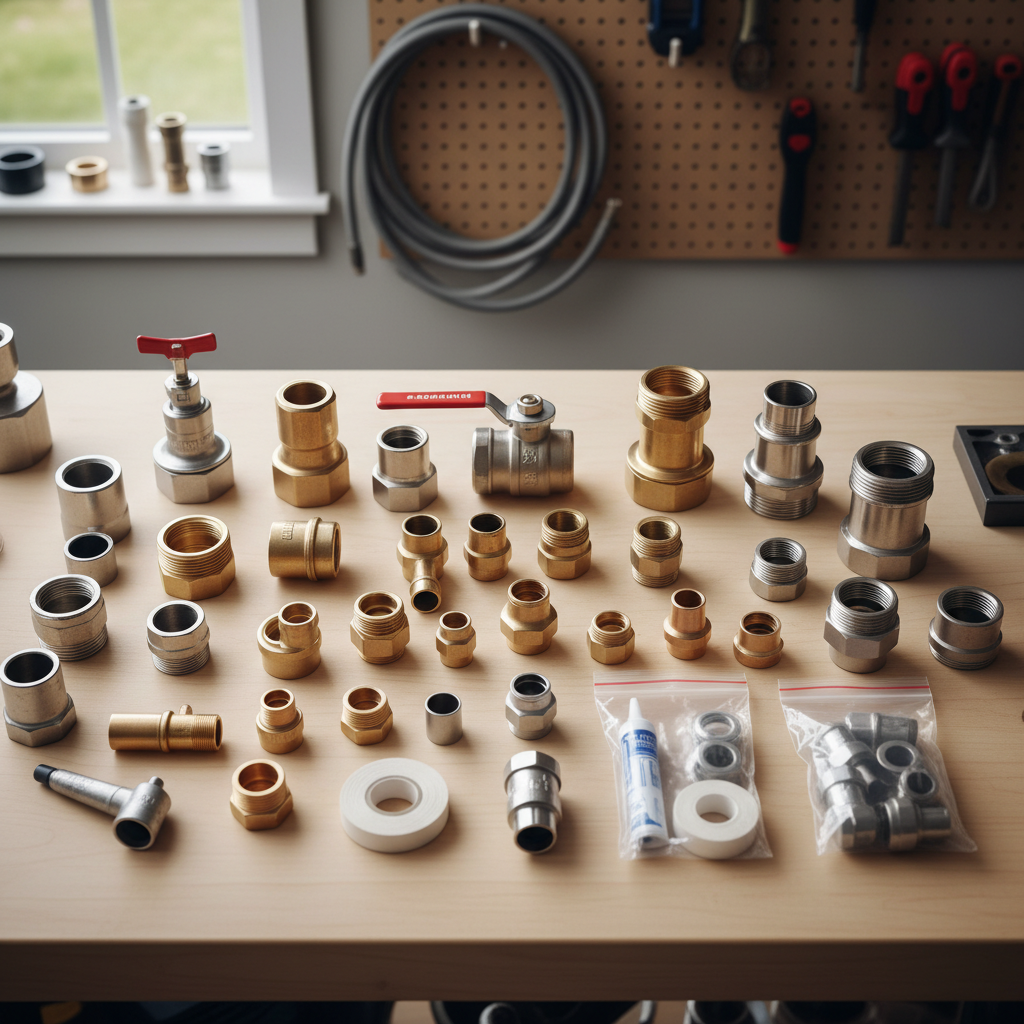
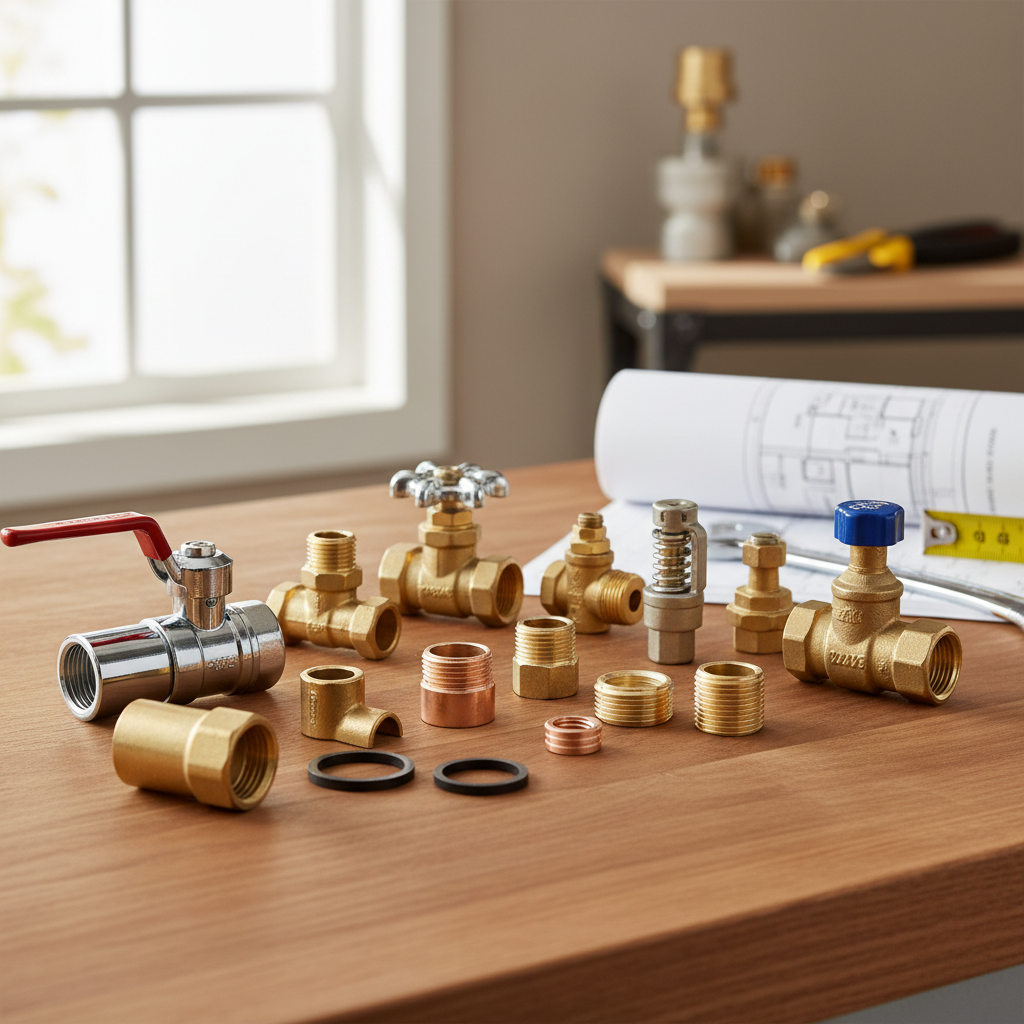
When tackling home plumbing projects, understanding the installation of pipe fittings and valves is crucial for ensuring a reliable and leak-free system. First, always start with the right tools. A pipe wrench, Teflon tape, and a pipe cutter are essential for most fittings. Before you begin, shut off the water supply and drain the pipes to prevent any spillage. When installing threaded fittings, apply Teflon tape to the male threads to create a watertight seal, ensuring that the tape wraps in the same direction as the threads.
Next, pay attention to the specific type of fitting being installed, whether it’s an elbow, tee, or valve. Each type may have slightly different installation techniques. For instance, when connecting PVC pipes, use a proper solvent cement for a strong bond and ensure the surfaces are clean. When installing valves, confirm their orientation for proper flow direction. Finally, after installation, always test your connections by gradually turning the water back on and checking for leaks, making adjustments as necessary to secure all fittings. Proper installation not only provides immediate results but also prolongs the lifespan of your plumbing system.