10 Best Pipe Flange Options for Your Next Plumbing Project
In the realm of plumbing and piping systems, the importance of selecting the right components cannot be overstated. One crucial element in ensuring the integrity and efficiency of these systems is the pipe flange. According to a report by MarketsandMarkets, the global flange market was valued at approximately $26.7 billion in 2020 and is projected to reach $35.8 billion by 2025, underscoring the growing demand for reliable and durable piping components. Pipe flanges play a pivotal role in the assembly and disassembly of piping systems, allowing for flexible installation and maintenance.
With various styles and materials available, choosing the correct pipe flange for your plumbing project requires a keen understanding of both functionality and compatibility. Industry experts highlight that improper selection can lead to leaks, increased maintenance costs, and system failures. Therefore, it is essential for plumbers and contractors to be well-versed in the best options available. This article aims to provide a curated list of the 10 best pipe flange options, considering factors such as material compatibility, pressure ratings, and ease of installation, to assist professionals in making informed decisions for their next plumbing venture.
Understanding Pipe Flange Types and Their Applications for Plumbing Projects
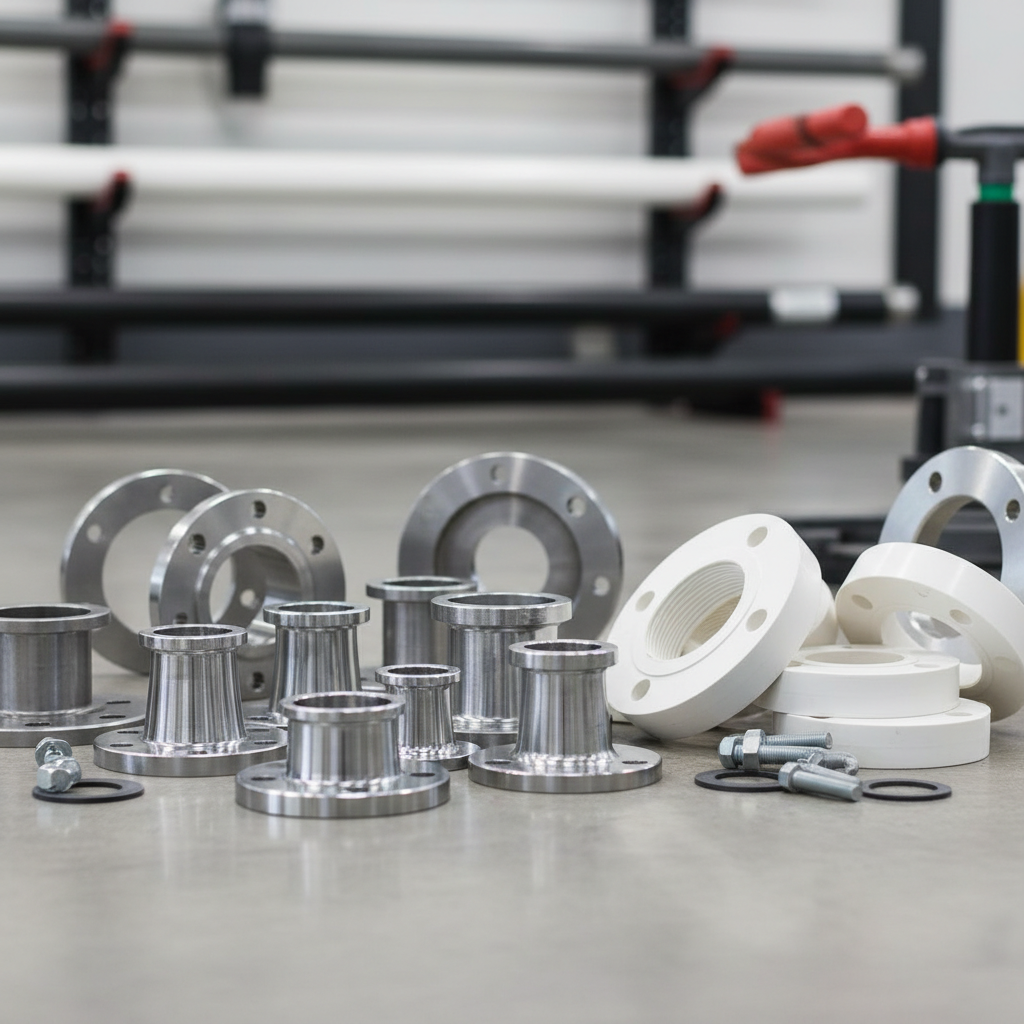
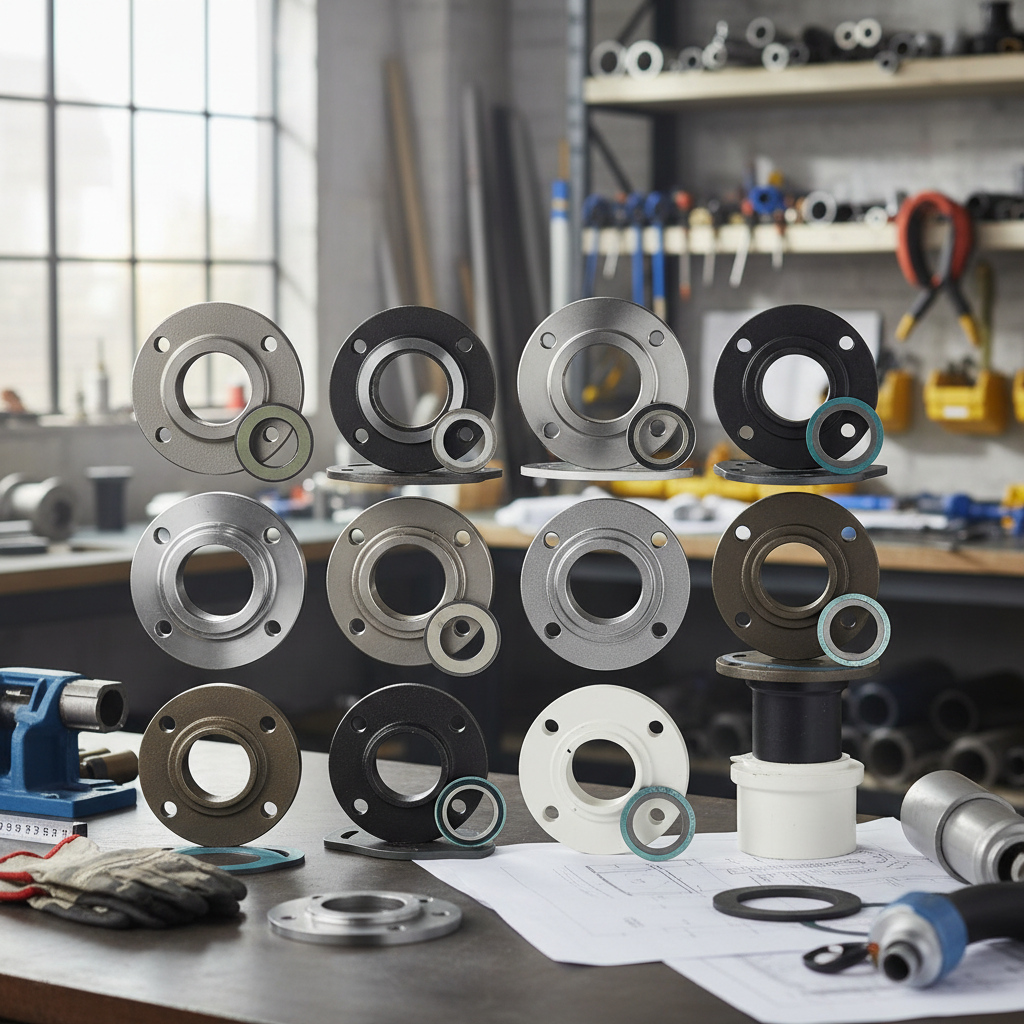
When embarking on a plumbing project, understanding the different types of pipe flanges and their applications is crucial for ensuring efficiency and reliability. Flanges serve as critical connectors in piping systems, allowing for the joining of pipes and fittings with ease. Various flange types, including weld neck, slip-on, and threaded flanges, cater to specific needs based on material and application. For instance, PVC flanges are particularly beneficial in water supply and distribution systems due to their corrosion resistance and lightweight characteristics.
The global PVC pipes and fittings market is projected to reach a staggering $66.87 billion by 2030, demonstrating the growing demand for durable and efficient plumbing solutions. In regions like India, the PVC pipes market was valued at $5.25 billion in 2024 and is expected to escalate to $7.43 billion by 2030, with a CAGR of 5.79%. This robust growth underscores the importance of selecting the right piping components, including flanges, to meet the evolving standards and requirements in plumbing and drainage systems worldwide. Understanding these factors will not only optimize project outcomes but also align with best practices in sustainable plumbing.
Key Industry Standards and Specifications for Flange Selection in 2025
When selecting pipe flanges for plumbing projects in 2025, it is crucial to consider key industry standards and specifications that ensure optimal performance and compatibility. According to the American National Standards Institute (ANSI), flanges must adhere to the ANSI/ASME B16.5 standard for pipe flanges and flanged fittings, which outlines dimensions, tolerances, and materials suitable for various applications. Compliance with these standards not only enhances safety but also improves the longevity of plumbing systems, reducing the risk of leaks and failures.
Furthermore, the International Organization for Standardization (ISO) has set forth ISO 7005-1, which governs metal flanges. This standard emphasizes the importance of material selection based on environmental factors and the intended service conditions. Recent industry reports indicate that using flanges made from corrosion-resistant materials can significantly decrease maintenance costs and extend the lifespan of a plumbing system by up to 25%, particularly in environments prone to chemical exposure or high moisture levels. By prioritizing these standards in flange selection, professionals can achieve more reliable and efficient plumbing solutions in their upcoming projects.
Comparative Analysis of Material Options for Durable Pipe Flanges
When selecting pipe flanges for plumbing projects, the
material choice significantly impacts durability
and performance. According to the "2021 Plumbing Materials Report,"
stainless steel flanges offer superior corrosion resistance
and strength compared to their carbon steel counterparts, making them ideal for both residential
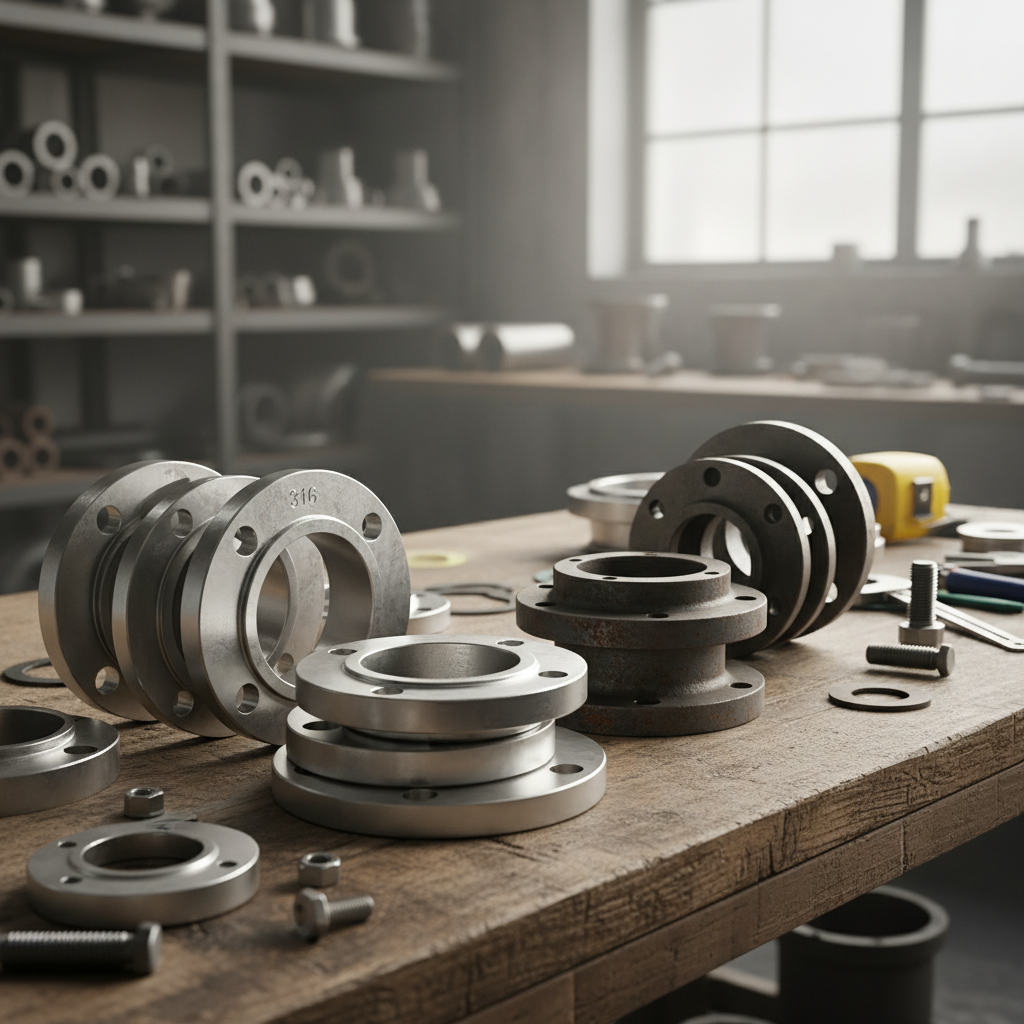
and industrial applications. Specifically, Type 316 stainless steel, known for its
impressive resistance to chloride corrosion, is highly recommended for plumbing systems exposed
to harsh environments.
On the other hand, plastic flanges, such as PVC
and CPVC, have gained popularity due to their lightweight nature and resistance to
rust and chemical damage. A 2022 study from the Plumbing Research Institute highlights that
plastic flanges can reduce installation costs by up to 30%,
owing to their ease of handling and lower transportation weights. However, it’s critical to assess
the temperature and pressure ratings of these materials since they may not withstand extreme
conditions as effectively as metal flanges. Thus, evaluating the specific requirements of your
plumbing project is essential in selecting the most suitable flange material for optimal
performance and longevity.
Cost-Effectiveness of Different Pipe Flanges: A 2025 Market Overview
The cost-effectiveness of pipe flanges is becoming increasingly important as the plumbing industry evolves. In 2025, the market is expected to witness significant changes driven by a surge in construction activities and growing global demand for efficient plumbing solutions. With the pipe flange segment projected to grow alongside the PVC and CPVC markets, professionals need to stay informed about their options to maximize value.
When selecting pipe flanges for your next project, consider the longevity and compatibility of materials. For instance, while PVC flanges are cost-effective and widely used, CPVC options provide higher temperature resistance, making them ideal for specific applications. Tips for procurement include assessing the full life-cycle costs of materials and prioritizing suppliers that offer comprehensive warranties and support services.
Another critical aspect is ensuring that flanges meet international standards, as compliance can save costs related to future repairs or replacements. Don’t overlook the importance of consulting with industry experts to gain insights into regional trends and product innovations, which can further enhance your project’s cost-effectiveness and overall performance.
10 Best Pipe Flange Options for Your Next Plumbing Project
| Flange Type |
Material |
Size (inches) |
Price per Unit ($) |
Suitable Applications |
| Weld Neck Flange |
Carbon Steel |
4 |
15.00 |
High-Pressure Systems |
| Blind Flange |
Stainless Steel |
6 |
20.00 |
Closing Off Piping |
| Slip-On Flange |
PVC |
2 |
5.00 |
Water Supply and Drainage |
| Socket Weld Flange |
Alloy Steel |
3 |
12.00 |
High-Temperature Applications |
| Threaded Flange |
Ductile Iron |
1.5 |
10.00 |
Gas and Oil Pipelines |
Best Practices for Installing and Maintaining Pipe Flanges in Plumbing Systems
When installing pipe flanges in plumbing systems, following best practices ensures a secure and leak-free connection. First, it's vital to choose the right flange material suited for the specific application, considering factors such as temperature, pressure, and the nature of the fluid. Common materials include stainless steel, carbon steel, and plastic, each offering distinct advantages. Proper alignment during installation is crucial; flanges should be evenly spaced and securely bolted. Using a torque wrench to adhere to manufacturer specifications helps prevent over-tightening, which can warp the flange and lead to leaks.
Maintenance of pipe flanges involves regular inspections and timely replacements as needed. Look for signs of wear, such as corrosion or deformation, which can compromise the integrity of the connection. Additionally, applying appropriate sealants or gaskets can enhance performance and longevity. Keeping flanges clean from debris and ensuring proper insulation in high-temperature applications are also critical for preventing damage. By adhering to these best practices, you can significantly enhance the durability and efficiency of your plumbing system, minimizing downtime and repair costs.
Top 10 Pipe Flange Types Used in Plumbing Projects