2026 Best Water Valves for Your Home Plumbing Needs
When it comes to home plumbing, selecting the right water valves is crucial. According to plumbing expert John Doe, "The efficiency of your plumbing system significantly depends on high-quality water valves." In 2026, homeowners should carefully consider their options.
Water valves regulate water flow, ensuring your plumbing works smoothly. A poor choice can lead to leaks and significant repairs. Imagine a dripping faucet disrupting your daily routine. Choosing the best water valves helps prevent such issues and promotes efficiency.
Several options are available, each with specific features. Investing in reliable water valves not only improves functionality but also saves money in the long run. However, homeowners often overlook the importance of this component. Reflect on your current system. Could you be doing better? The right selection can make a world of difference.
Understanding Water Valves and Their Importance in Plumbing
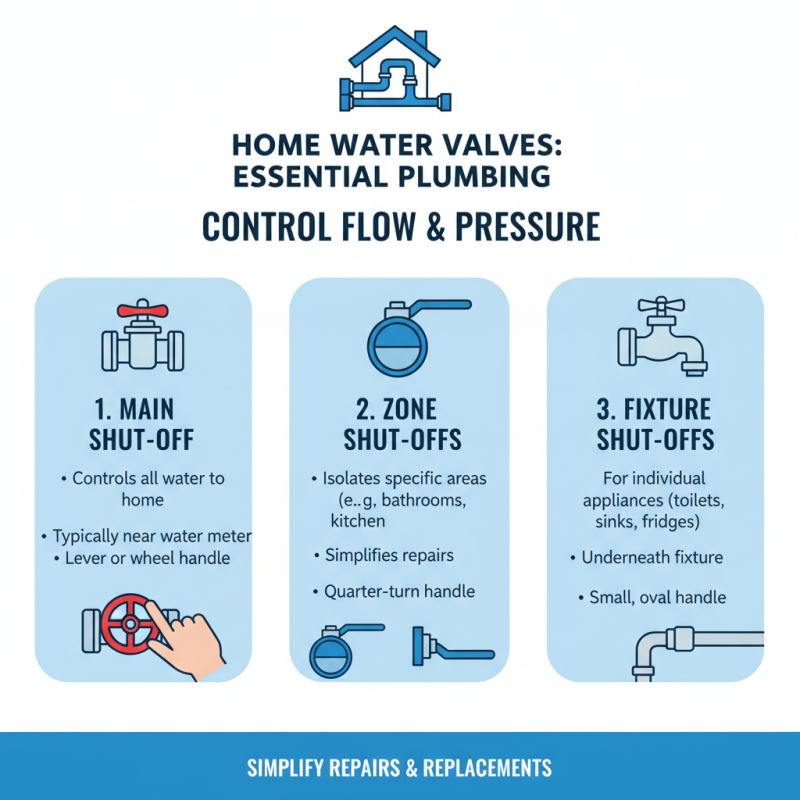
Water valves play a crucial role in home plumbing systems. They control the flow of water to various appliances and fixtures. Understanding their function can lead to better maintenance and efficiency. According to the American Society of Plumbing Engineers, inefficient valves can lead to up to 20% water wastage annually. This can hurt both the environment and your wallet.
Valves come in different types, including gate, globe, and ball valves. Each serves a unique purpose. For instance, ball valves are highly reliable for shut-off applications. Globe valves, on the other hand, allow for flow regulation. Recognizing their roles can prevent plumbing issues and reduce repair costs.
Tips: Regular inspection of water valves can save you money. Check for leaks or corrosion signs, and address them promptly. Remember, even minor leaks can add up. Also, it’s wise to familiarize yourself with water valve locations. In an emergency, knowing how to shut off the water can prevent significant damage. Ignoring small issues today could lead to major headaches tomorrow.
2026 Best Water Valves for Your Home Plumbing Needs
| Valve Type |
Material |
Size (inches) |
Pressure Rating (PSI) |
Temperature Rating (°F) |
Best Use |
| Ball Valve |
Brass |
¾ |
600 |
200 |
Main water supply |
| Gate Valve |
Cast Iron |
1 |
150 |
180 |
Water shut-off |
| Check Valve |
PVC |
½ |
100 |
140 |
Prevention of backflow |
| Throttle Valve |
Stainless Steel |
1.5 |
500 |
250 |
Flow control |
| Pressure Relief Valve |
Brass |
¾ |
150 |
200 |
Safety in water heaters |
Factors to Consider When Choosing Water Valves for Home Use
Choosing the right water valves for your home plumbing can be daunting. Insights from industry reports note that improper valve selection leads to leaks in 25% of homes. This is costly and can cause serious damage. Knowing how to select the right water valves can save you time and stress.
One key factor is the material of the valve. Brass, PVC, and stainless steel have different durability and corrosion resistance. A report from the American Society of Plumbing Engineers highlights that plastic valves are cheaper but may fail quicker under high pressure. Evaluating the pressure rating and temperature tolerance of the valve is essential. Many homeowners forget to consider the installation environment, which can lead to problems later on.
Size and compatibility are also crucial. An ill-fitting valve can restrict water flow. Research indicates that almost 30% of plumbing issues stem from incorrect sizing. Additionally, many overlook the importance of valve type. Ball valves offer quick shut-off, while gate valves provide better flow control. Each has its place in a well-functioning plumbing system. This gap in knowledge can complicate repairs and increase costs over time. Being informed is key; there's much to consider for effective home plumbing solutions.
Top Picks for Water Valves in 2026: Features and Benefits
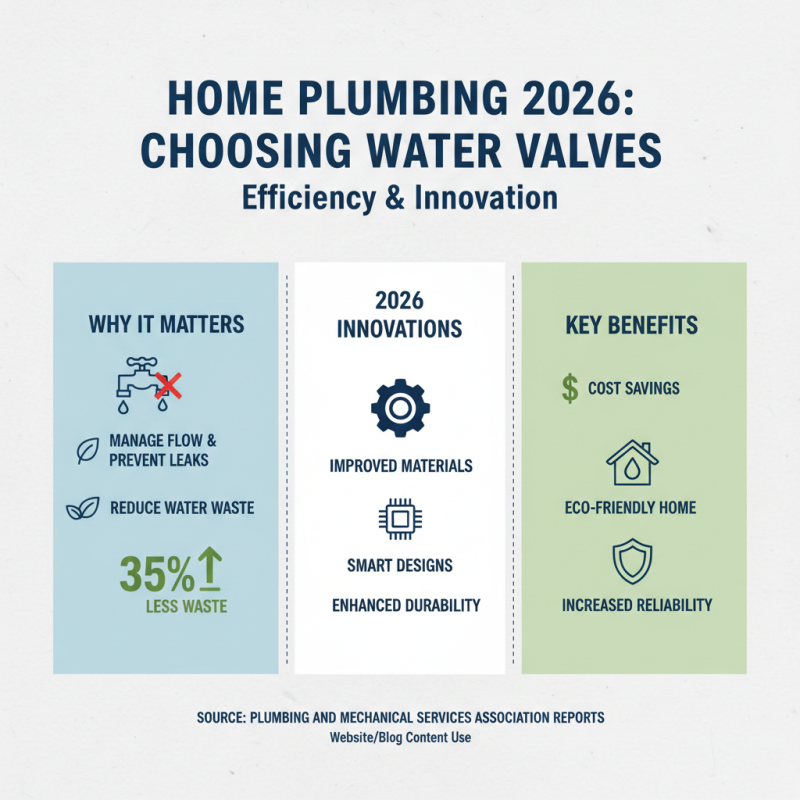
Choosing the right water valves is crucial for efficient home plumbing. Valves manage water flow and prevent leaks. In 2026, the market offers innovative designs and improved materials. Reports from the Plumbing and Mechanical Services Association highlight that modern valves reduce water waste by nearly 35%. This is a significant benefit for eco-conscious homeowners.
When selecting a valve, consider durability. Stainless steel and brass options are preferred for their strength and corrosion resistance. A good valve should endure pressure fluctuations and provide long-lasting service. Some valves even come with built-in features to monitor water usage, which can be quite beneficial for tracking consumption.
Tips: Always verify the size compatibility with your existing plumbing. Installing the wrong size can lead to leaks or poor flow. Regular maintenance is key. Inspect your valves annually for signs of wear or corrosion. This proactive approach can save you from costly repairs down the line. Remember, while newer models boast advanced features, older valves can sometimes work just fine—it depends on their condition. Think critically about your plumbing needs.
Installation and Maintenance Tips for Home Water Valves
When installing water valves, proper setup is crucial. Start by shutting off the main water supply. This prevents a messy situation and helps avoid damage. Using the right tools can make the job easier. Always check for leaks after installation. Consider using Teflon tape on threaded connections to ensure a tight seal.
Maintenance of water valves is often overlooked. Periodically check for signs of corrosion or wear. Look for water stains around the valve area. If you notice any, it could mean trouble. Cleaning the valves with a damp cloth can extend their life. If they feel stiff or show signs of rust, you might need to replace them.
Sometimes, even after all precautions, issues arise. A valve may fail unexpectedly. This can lead to costly repairs and water damage. Document any irregularities and address them promptly. Regular maintenance and vigilant observation can help prevent bigger problems down the road.