What Is a Booster Seat and Who Needs One?

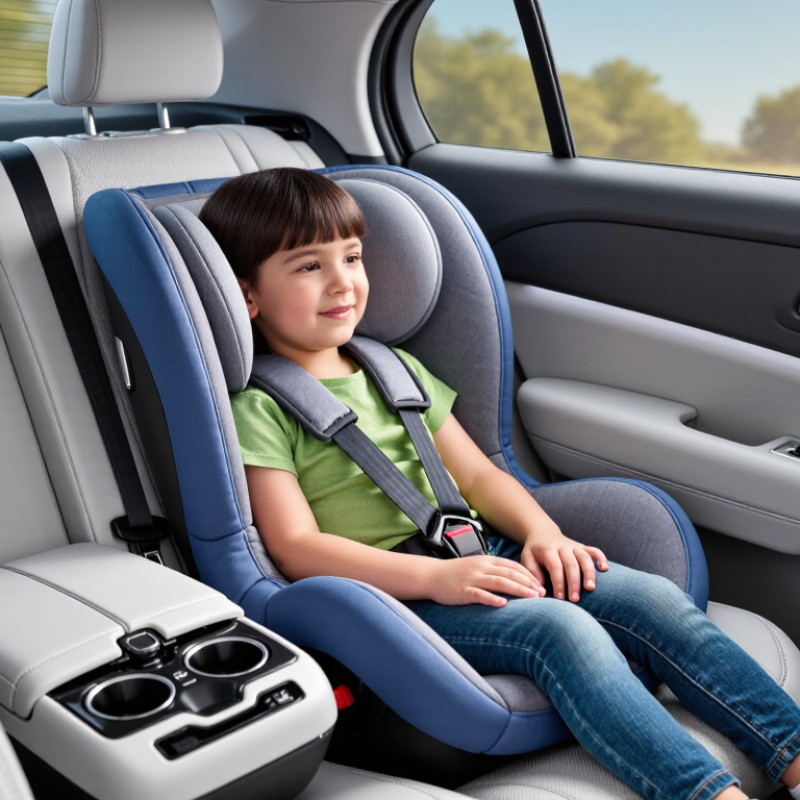
A Booster Seat is a belt-positioning device, not simply a cushion that makes a child sit higher. It helps guide a vehicle’s lap-and-shoulder belt across the stronger parts of a child’s body. The lap belt should rest low on the hips, while the shoulder belt crosses the chest and shoulder—not the neck or face. Small details matter. A twisted belt or a child who slouches can change how the belt fits.

Dr. Alisa Baer, a pediatrician and co-founder of The Car Seat Lady, has emphasized: “The safest car seat is the one that fits your child, fits your vehicle, and that you will use correctly every time.” Children generally need a booster after they outgrow their forward-facing seat’s limits, and until the vehicle belt fits them properly without help. Age alone is not enough; height, seat design, and belt fit all matter. A practical check: can the child sit with their back against the vehicle seat, knees bending at its edge, and feet resting comfortably? Can they stay that way for the whole ride? That last part is easy to underestimate. Children grow at different speeds, and a belt that fits in one vehicle may not fit in another. Check both the car-seat and vehicle manuals, and follow current guidance from a qualified child passenger safety technician. Even careful caregivers can miss a detail. A second check is sensible.
What Is a Booster Seat and Who Needs One?

What a Booster Seat Is and How It Works

A booster seat raises a child so the vehicle’s adult seat belt fits the body properly. It does not restrain the child by itself; the lap-and-shoulder belt does that work. The lap belt should lie low across the upper thighs, while the shoulder belt crosses the chest and shoulder. It should not press against the belly, neck, or face. A poor fit can be easy to miss, especially under a thick winter coat.

45%

The CDC reports that booster seats reduce the risk of serious injury by 45% among children ages 4–8, compared with seat belts alone. That figure helps explain why belt positioning matters. NHTSA advises families to keep children in a booster until the vehicle belt fits correctly, often when they reach about 4 feet 9 inches. Height is only a guide; each child and vehicle seat can differ.

Tips: Have your child sit all the way back. Check that knees bend naturally at the seat edge and feet rest comfortably. The belt should stay in position when the child moves. A quick check in a parked car can reveal a twist or belt riding too high. Small detail, big difference. My own fitting checks still need repeating after a growth spurt.


How Booster Seats Improve a Child’s Vehicle-Belt Fit

A booster seat lifts a child so the vehicle’s adult seat belt can fit the body it was designed to protect. Without that lift, the lap belt may ride over the soft abdomen instead of lying low across the hips and upper thighs. The shoulder belt should cross the center of the chest and shoulder, not the neck or face. A small mismatch matters.

The CDC reports that booster seats reduce the risk of serious injury by 45% for children ages four to eight, compared with seat belts alone. That figure is a useful reminder, though every crash and child is different.

NHTSA advises using a booster until the vehicle belt fits properly, often when a child reaches about 4 feet 9 inches tall. Check the fit in the actual vehicle: the child should sit back with knees bending at the seat edge, and stay that way for the whole trip. It is easy to mistake age or height for readiness; belt position is the practical test.

Tips: Place the lap belt low and snug across the hips. Keep the shoulder belt across the chest. If it slips behind the back or under the arm, reassess the fit. Use the vehicle and booster instructions together; small seat differences can change belt placement.

Which Children Need a Booster Seat

A booster seat is for a child who has outgrown a forward-facing car seat with a harness but is still too small for an adult seat belt to fit correctly. Age alone is not enough to decide. Check the car seat’s height and weight limits, and follow its instructions. Many children make this transition around age four or later, but readiness varies. There is no need to rush.

A booster raises the child so the vehicle belt rests in safer positions. The lap belt should lie low across the hips and upper thighs, not the stomach. The shoulder belt should cross the chest and shoulder, not the neck or face. The child should sit back with knees bending naturally at the seat edge. A poor fit? Keep using an appropriate harnessed seat if the child still fits its limits.

Children usually need a booster until the adult belt fits them properly without one. This often happens between ages eight and twelve, depending on the child and the vehicle. Check the fit on every regular ride; a belt that sits well in one car may not fit as well in another. Use the booster in the back seat, and make sure the child can stay seated correctly for the whole trip. That last part matters, and it can be harder than it sounds.

What Is a Booster Seat and Who Needs One? - Which Children Need a Booster Seat

Topic Guidance What to check
What a booster seat does A booster raises and positions a child so the vehicle’s lap-and-shoulder belt fits correctly. The belt should lie on the child—not across the booster’s arm or guide in a way that conflicts with its instructions.
Who may need one Children who have outgrown their forward-facing child seat with a harness but are not yet large enough for the vehicle seat belt to fit properly on its own. Check the child seat’s height and weight limits before moving to a booster; limits vary by seat.
Typical age and height guidance Many children need a booster until the seat belt fits without one—often around 4 ft 9 in (about 145 cm), commonly between ages 8 and 12. Age and height are general guides, not a substitute for checking belt fit or local requirements.
Lap-belt position The lap belt should sit low and snug across the hips and upper thighs. It should not ride up across the stomach.
Shoulder-belt position The shoulder belt should cross the middle of the chest and shoulder. It should not rest on the neck or face, or slip off the shoulder.
Signs the adult seat belt fits The child can sit with their back against the vehicle seat, knees bent at the seat edge, and feet supported, while keeping the correct belt positions. The child should be able to maintain this position for the entire trip without slouching or moving the belt out of place.
Required belt type Booster seats are designed to be used with a lap-and-shoulder belt. Do not use a booster with a lap-only belt. Follow the booster’s instructions and the vehicle manual.
Backless or high-back booster Both types can position a child; the appropriate choice depends on the child, vehicle seating position, and product instructions. A backless booster needs adequate vehicle head support. Check the booster instructions and vehicle manual for head-restraint requirements.
Where children should sit The rear seat is the safest place for children under 13 when available. Use a seating position with a compatible lap-and-shoulder belt and follow the vehicle manual.
When to stop using a booster Stop when the vehicle belt fits correctly on every ride and the child can maintain that fit for the whole trip. Check belt fit in each vehicle; a child may still need a booster in a different car.

Recommendations are general safety guidance. Child-restraint laws vary by location; follow local law and the instructions for the booster seat and vehicle.

Common Types of Booster Seats

Common Types of Booster Seats

High-back booster seats raise a child while providing back and head support. Their guides help position the vehicle’s shoulder belt across the chest, not the neck. They can be useful in vehicles with low seat backs or no suitable head restraint. Check the booster and vehicle manuals to confirm the fit.

Backless booster seats are lighter and easier to move between vehicles. They raise the child so the lap belt rests low across the upper thighs and the shoulder belt crosses the chest. The vehicle seat should provide adequate head support. That detail matters. A belt that sits on the stomach or rubs the face needs attention, not a quick adjustment that slips back later.

Combination seats have a built-in harness and can later be used as boosters, if the model allows it. Switch modes only when the child meets the manufacturer’s height, weight, and readiness requirements. The labels can feel confusing. Compare the seat’s instructions with the child’s actual belt fit in the specific vehicle; the same booster may fit differently across cars. A short test drive is not a fit check. Sit the child upright, buckle the belt, and look for a flat, snug fit without slack.

Common Booster Seat Types and Typical Features

This comparison shows typical features, not a safety ranking. A booster helps position a vehicle’s lap-and-shoulder belt on a child. High-back boosters add back and head support; combination seats can be used with a built-in harness before converting to booster mode. Check the seat’s instructions and local laws, and use a booster until the vehicle belt fits properly.

How to Choose and Use a Booster Seat Safely

A booster seat raises a child so the vehicle’s seat belt can fit more safely. It is generally for children who have outgrown a forward-facing seat with a harness but are not yet a good fit for the vehicle belt alone. Read the instructions for both the booster and the vehicle; fit depends on the child and seating position, not age alone. Small details matter.

Choose a booster that matches your child’s size and can be used correctly in your vehicle. Some models have a back; others do not. A high-back model may help position the shoulder belt or provide head support when the vehicle seat is low. Check that the booster sits flat and does not slide around. It is easy to rush this check, especially on a busy morning.

For every ride, have your child sit upright with their back against the vehicle seat. The lap belt should lie low across the hips, not the stomach. The shoulder belt should cross the middle of the chest and shoulder, never under the arm or behind the back. Keep the belt untwisted and snug. If your child slouches or the belt rubs their neck, adjust the fit or try another seating position. A quick look before driving can catch a problem.

Start WhatsApp Chat Start WhatsApp Chat
Valves

Valves

Water Meters

MS Forged Pipe Fittings

Fittings

Water Meters

Valves

DI Grooved Fittings (UL/FM)

Water Meters

DI Screwed Fittings (UL/FM)

Fittings

Composite Pipes & Fittings

Site Credits : Seigospace