China Best UV Flatbed Printer for Global Buyers in 2026?
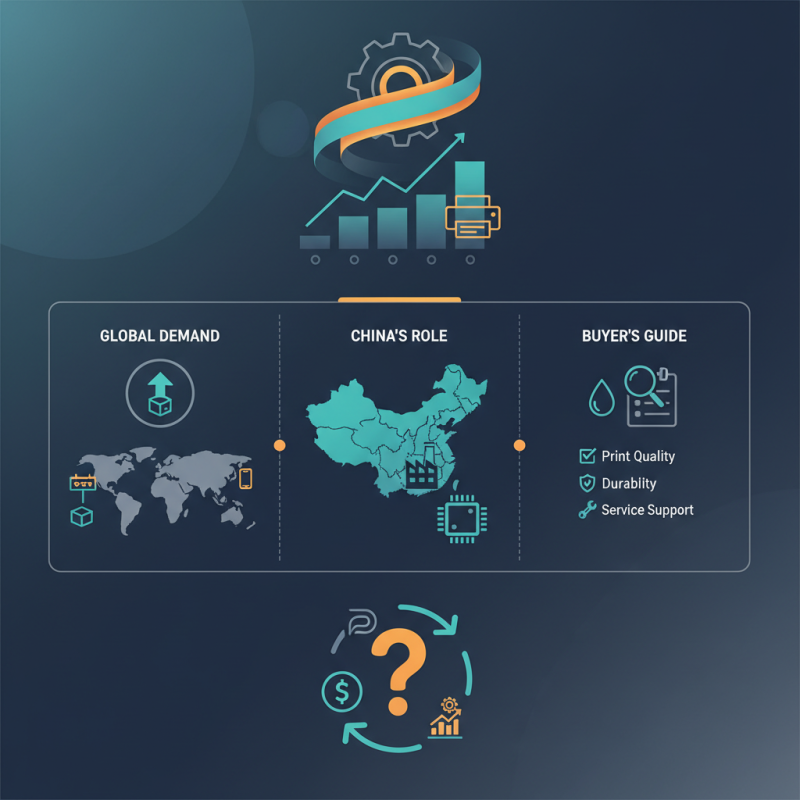
In recent years, the demand for UV Flatbed Printers has surged globally. These innovative machines are transforming the printing industry. They offer versatility and efficiency, making them ideal for various applications. From signage to custom packaging, their impact is significant.
As we approach 2026, buyers are keen to identify the best options available. China has emerged as a leading manufacturer in this field. Their printers combine advanced technology with affordability. However, not all printers meet high standards. Potential buyers must research thoroughly to ensure quality.
Choosing the right UV Flatbed Printer requires careful consideration. Factors like print quality, durability, and service support are crucial. It's worth noting that some manufacturers may prioritize cost over reliability. Thus, buyers should seek expert opinions and reliable reviews. Ultimately, the goal is to invest in a printer that enhances productivity and delivers value.
Overview of UV Flatbed Printing Technology
UV flatbed printing technology has emerged as a popular choice in various industries, thanks to its versatility and efficiency. This method uses ultraviolet light to cure or dry ink as it is printed. The result is high-quality images on a wide range of materials, including glass, wood, and metal. According to recent industry reports, the UV flatbed printing market is projected to reach USD 3.4 billion by 2026, highlighting robust demand for this technology.
One advantage of UV printing is its ability to produce vibrant colors and intricate designs quickly. Research indicates that UV printers reduce waste by using only the necessary amount of ink. This leads to cost savings and less environmental impact. However, challenges remain in terms of equipment costs and the learning curve for operators. Many companies struggle with maintenance and finding skilled technicians. These factors can hinder growth, particularly for small businesses eager to enter the market.
Sustainability is another area of concern. While UV printing is more environmentally friendly than traditional methods, it still relies on chemical inks. Reports show that the demand for eco-friendly alternatives is rising, pushing the industry towards greener solutions. The evolution of UV flatbed printing continues to present both opportunities and challenges for manufacturers and buyers alike.
Key Features of the Best UV Flatbed Printers in 2026
In 2026, the best UV flatbed printers are expected to showcase advanced technology tailored for diverse applications. Key features include enhanced resolution and speed. A good printer can produce vibrant colors with precise details. This is essential for signage, textiles, and packaging industries. Users should look for printers with a minimum resolution of 1200 DPI for sharp images.
Another important aspect is the printer's versatility. The ability to print on various materials like wood, glass, and metal can expand business opportunities. Some models might lack compatibility with certain surfaces, which could be a drawback. Additionally, an efficient UV curing system ensures quick job turnaround. However, potential buyers should consider maintenance costs. A printer that requires frequent servicing can become a burden.
Connectivity options are also vital. Wi-Fi and USB interfaces enable seamless integration into existing workflows. However, some printers may experience connectivity issues, leading to workflow disruptions. User-friendly software can further streamline operations, yet complex interfaces can confuse operators. In choosing the right UV flatbed printer, balancing these features is crucial for optimal performance and reliability.
Leading Chinese Manufacturers in the UV Flatbed Printer Market
The UV flatbed printer market is expanding rapidly, driven by rising demand from various industries. In 2026, experts predict significant growth, with market size expected to surpass $1.5 billion globally. Leading Chinese manufacturers play a pivotal role in this momentum. Their advanced technology and competitive pricing attract buyers from around the world.
According to a recent industry report, over 40% of the global UV flatbed printers are produced in China. The production capacity and innovation in this sector set Chinese companies apart. While quality is generally high, variance can occur based on specific models and manufacturers. Buyers should perform thorough research on performance ratings and customer feedback.
Tips: Always request samples before committing to a purchase. Evaluate the after-sales support offered by manufacturers. Buyers might find it useful to visit factories if feasible, to assess capabilities firsthand. Brands vary in reliability, and it’s crucial to gather insights from multiple sources.
Global Trends Influencing UV Flatbed Printer Adoption
The global demand for UV flatbed printers is expanding rapidly, driven by diverse industries such as signage, packaging, and furniture. A recent report by Smithers estimates that the UV printing market will grow at a CAGR of 9.5% through 2026. This trend reflects a shift toward high-quality, versatile printing solutions. Manufacturers are increasingly adopting UV technology, which offers fast drying times and superior adhesion to various substrates, including wood, glass, and metal.
One significant factor influencing this adoption is the growing emphasis on sustainability. UV printers use less volatile organic compounds (VOCs), making them more environmentally friendly compared to traditional printing methods. According to a study by NAPIM, around 70% of printers have reported an increased customer demand for eco-friendly options. However, not all printers meet these standards consistently, raising questions about their true environmental impact. It’s crucial for buyers to consider the long-term sustainability commitments of manufacturers when evaluating options.
Additionally, advancements in technology are making UV flatbed printers more accessible. As costs decrease, more businesses can invest in this equipment. However, the initial investment is still a hurdle for smaller companies. A survey by the Digital Printing Association found that over 55% of small print businesses experience budget constraints when upgrading technology. The reliability of these printers also varies, and businesses need to assess their operational requirements before making a decision.
UV Flatbed Printer Adoption Trends (2020-2026)
This chart illustrates the projected adoption of UV flatbed printers across various sectors from 2020 to 2026. The increasing demand in industries such as signage, packaging, and textiles indicates a growing market trend.
Comparative Analysis of Pricing and Performance for Buyers
When considering UV flatbed printers in 2026, performance and pricing are key factors for buyers worldwide. Numerous options exist in the market, each with unique features. Evaluating print quality, speed, and durability is crucial. Buyers must analyze specifications closely. Prices may vary significantly, depending on features and print capabilities.
Tips: Always check for warranty options. A good warranty reflects the manufacturer's confidence. Understanding your specific needs helps streamline your choice. For example, assess the types of materials you plan to use. Some printers excel on specific substrates while others may not.
Moreover, the technology in these printers evolves rapidly. What works today may be outdated tomorrow. Some models may promise high resolution but underperform in speed. It's wise to read customer reviews and seek expert opinions. Acknowledging potential weaknesses in various models can prevent costly mistakes. Take the time to weigh each option carefully; investing in the right printer is essential for long-term success.
China Best UV Flatbed Printer for Global Buyers in 2026 - Comparative Analysis of Pricing and Performance for Buyers
| Model | Max Print Size (mm) | Print Resolution (dpi) | Speed (m²/h) | Price (USD) | Features |
| Model A | 2500 x 1300 | 1200 | 35 | 25,000 | UV LED, High Color Accuracy |
| Model B | 3200 x 1600 | 1440 | 30 | 35,000 | Automatic Height Adjustment |
| Model C | 2000 x 1000 | 720 | 45 | 18,000 | Compact Design, High Efficiency |
| Model D | 2500 x 1500 | 1200 | 50 | 30,000 | Multi-Material Compatibility |
| Model E | 3000 x 1500 | 1440 | 40 | 40,000 | Smart Control System |