How to Choose an Aeration System Air Blower for Your Needs?
Selecting the right Aeration System Air Blower can be a daunting task. Experts in the field emphasize the importance of choosing a blower tailored to specific needs. Dr. Emily Carter, a leading authority in wastewater management, once stated, “An effective aeration system is the backbone of efficient wastewater treatment.”
An Aeration System Air Blower serves as a crucial component in various applications, from aquaculture to municipal treatment plants. The right specifications can significantly impact efficiency and energy use. Factors like the blower type, airflow capacity, and energy consumption must be carefully considered. Misunderstanding these details can lead to costly mistakes and wasted resources.
While many assume that all blowers are created equal, this is far from the truth. A thorough understanding of your operational needs, coupled with expert guidance, can mitigate risks and enhance performance. The nuances in design and functionality may not be obvious at first glance, but a detailed assessment is critical. Recognizing where improvements can be made often leads to unexpected benefits in the long run.
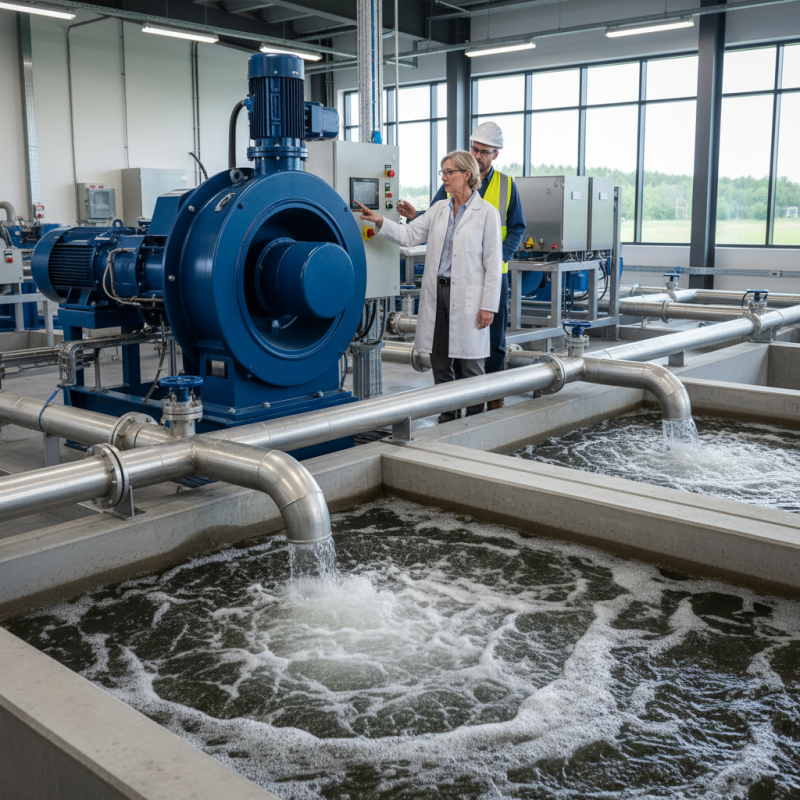
Understanding Aeration Systems and Their Purpose
Aeration systems play a crucial role in various applications, particularly in wastewater treatment and aquaculture. These systems enhance oxygen transfer in water or soil, which is vital for the growth of beneficial microorganisms. Reports indicate that effective aeration can increase the efficiency of biological treatment processes by up to 35%. This makes the understanding of aeration systems essential for optimizing performance.
Choosing the right aeration system involves recognizing its purpose. Different systems provide various aeration methods, such as diffused aeration and surface aeration. For instance, diffused aeration systems use air bubbles to deliver oxygen, while surface aeration relies on agitation. Research suggests that diffused systems generally achieve higher oxygen transfer efficiencies, approximately 2-3 times greater than surface systems.
However, selecting the appropriate aeration system is sometimes not straightforward. While performance metrics are important, factors like energy consumption and maintenance costs must also be evaluated. Industry experts recommend a holistic approach. Understanding specific oxygen demands and site conditions can significantly impact system choice. Maintaining a balance between efficiency and cost-effectiveness requires careful analysis of long-term operational data.
Types of Air Blowers Used in Aeration Systems
Aeration systems play a critical role in wastewater management and pond maintenance. Choosing the right air blower can significantly impact system efficiency. Different types of air blowers serve various purposes in these systems. Positive displacement blowers, for example, excel in providing a consistent airflow. They are particularly useful for applications requiring stable pressure.
Rotary screw blowers are another popular option. They are known for their energy efficiency and lower noise levels. These blowers can handle fluctuating air demands effectively. However, they may require more maintenance over time. It’s essential to evaluate the specific needs of your aeration system when selecting a blower type.
Some may overlook the impact of the blower size on aeration effectiveness. A blowers’ horsepower directly affects its output capacity. Underestimating this can lead to inadequate oxygen delivery to water bodies. Larger systems can benefit from turbo blowers, which leverage centrifugal force for higher flow rates. Balancing between energy consumption and performance is vital. This reflection can guide you in making an informed decision that aligns with your operational goals.
Key Factors to Consider When Choosing an Air Blower
Choosing an air blower for aeration requires careful thought. Key factors include airflow capacity, energy efficiency, and noise levels. The right airflow capacity ensures adequate oxygenation. According to a 2020 industry report, systems should generate around 5-50 cubic feet per minute (CFM) based on application size. Understand your specific needs to avoid under or over-sizing, which can lead to inefficiencies.
Energy efficiency is another crucial consideration. High-efficiency blowers can reduce operating costs significantly. A study from the American Society of Mechanical Engineers noted that energy-efficient models could reduce energy consumption by up to 30%. This factor is essential for budget-conscious operations. Additionally, noise levels impact workplace environment and community relations. Many models operate at 60-80 dBA, but quieter options are available.
Don't overlook maintenance needs as well. Air blowers require regular upkeep for optimal performance. Neglect can lead to system failure, disrupting operations. Evaluate the availability of service resources in your area. Consider long-term reliability when making your choice. Selecting the right system demands attention to performance metrics and operational sustainability.
Air Blower Selection: Key Factors
This chart displays the key factors to consider when selecting an air blower, including noise level, power consumption, air flow rate, weight, and price. Understanding these metrics can help in making an informed decision based on your specific needs.
Sizing and Capacity Requirements for Your Aeration Needs
When selecting an aeration system air blower, sizing and capacity are crucial. Understanding your specific requirements can greatly impact efficiency and performance. Consider the volume of water needing aeration and its depth. A shallow pond requires different airflow compared to a deeper lake. Accurate calculations help avoid over or under-sizing the blower. This may lead to higher energy costs or inadequate aeration.
Flow rate is another key factor. This figure indicates how much air must be delivered to achieve optimal oxygen levels. Too little air affects water quality. It can lead to algae blooms and unpleasant odors. Measure the surface area of the water body you’re aerating. This helps determine how much oxygen needs to be injected. Additionally, note the temperature and organic load of the water. Warmer temperatures require more oxygen.
Costs can vary widely based on size and capabilities. Research various systems and installations to understand potential expenses and efficiencies. Investing in a blower that's too powerful may waste energy. On the other hand, a system that is not powerful enough might not fulfill your aeration needs. This balance between performance and cost is vital. Without careful consideration, you risk inefficient aeration and operational challenges.
Maintenance and Efficiency Tips for Aeration Systems
When considering the maintenance of aeration systems, regular upkeep is essential. Check air filters monthly. Dirty filters reduce efficiency and strain the blower. Inspect the blower for unusual noises. Sounds can signal potential issues. Look for vibration or instability; these might indicate a need for adjustments.
Efficiency is influenced by the system design and its components. Ensure that aeration basins are properly sized. Oversized systems can waste energy, while undersized ones may struggle to meet demands. It's critical to monitor airflow rates regularly. Low airflow can lead to inadequate aeration, affecting the treatment process.
Keep a close watch on energy consumption. High electricity bills may indicate that the blower is not operating efficiently. Sometimes, minor adjustments can enhance energy use. Consider using variable speed drives; they help tailor the blower output to fit real-time needs. Reflect on system performance periodically, making changes as necessary to optimize efficiency.
How to Choose an Aeration System Air Blower for Your Needs? - Maintenance and Efficiency Tips for Aeration Systems
| Metric | Details |
| Type of Aeration System | Positive displacement blowers, centrifugal blowers, linear blowers |
| Airflow Rate | Measured in CFM (Cubic Feet per Minute); varies by system capacity |
| Energy Efficiency | Evaluate power consumption vs. airflow delivery |
| Noise Level | Measured in dB; quieter systems are preferred for residential areas |
| Maintenance Frequency | Regular checks every 3-6 months recommended |
| Average Lifespan | Approximately 10-15 years with proper maintenance |
| Installation Requirements | Space, electrical connections, and accessibility for maintenance |