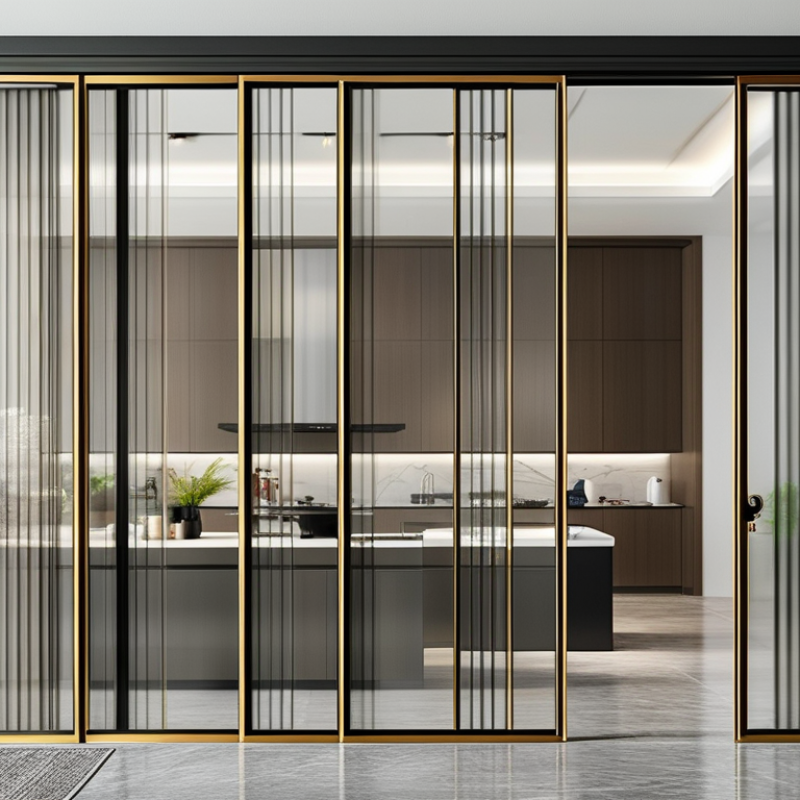
How to Choose Aluminum Profiles For Sliding Doors Efficiently?
Selecting the right Aluminum Profiles for Sliding Doors can greatly enhance your home's aesthetics and functionality. These profiles not only support the structure but also affect the door's movement and durability. With various options available, navigating the selection process may seem overwhelming.
Understanding your specific needs is crucial. Consider the door size, weight, and style. Different aluminum profiles offer unique benefits, including energy efficiency and low maintenance. It's wise to consult with industry experts for tailored advice. They can guide you on the best choices for your project.
Moreover, quality matters. Not all aluminum profiles are created equal. Some may not withstand extreme weather conditions. Prioritizing reliable suppliers is essential to ensure longevity and performance. Reflecting on your choices can lead to a satisfying and efficient sliding door experience.
Understanding the Different Types of Aluminum Profiles for Sliding Doors
When selecting aluminum profiles for sliding doors, understanding the various options can greatly impact efficiency and aesthetics. Aluminum profiles come in different shapes and sizes, commonly categorized as flat, square, or U-shaped. Each design serves unique functions. For example, flat profiles are useful for sleek, minimalistic looks, while U-shaped profiles provide added structural support. Knowing these distinctions helps in making informed choices.
Flexibility is another key aspect of aluminum profiles. Some are designed specifically for thermal insulation, while others focus on strength. Consider whether you need soundproofing or enhanced energy efficiency. This will help narrow down your options. Additionally, the finish on the aluminum can dramatically change the door’s appearance. Matte and glossy finishes offer distinct styles and maintenance levels.
However, it's essential to be aware of the limitations. Not all profiles suit every climate or usage frequency. Durability can vary, impacting long-term performance. Researching and consulting experts can reveal insights into each profile's potential drawbacks. Embracing imperfections and understanding the nuances can ultimately lead to better choices for your sliding doors. Balancing aesthetics with practicality is not always straightforward, but it is worth the effort.
Factors to Consider When Selecting Aluminum Profiles for Durability
When selecting aluminum profiles for sliding doors, durability becomes a priority. Aluminum is known for its strength and corrosion resistance, making it ideal for door frames. Look for profiles with thick walls and reinforced corners. This structural integrity is critical, especially in high-traffic areas. However, not all aluminum is the same; some may not withstand harsh weather conditions.
The finish of the aluminum also plays a significant role in durability. Anodized finishes can enhance the metal's resistance to scratches and wear. Consider profiles with protective coatings for extended lifespan. Proper sealing at joints is essential as well. Gaps can lead to moisture infiltration, which may weaken the frame over time.
While selecting, it's easy to overlook these details. Opting for aesthetic designs can sometimes compromise structural integrity. Take time to assess the practical aspects. A balance between beauty and functionality is vital. Regular maintenance checks will help prolong their life.
Evaluating Design Aesthetics in Aluminum Profile Choices for Sliding Doors
Choosing the right aluminum profiles for sliding doors involves evaluating not only their functionality but also their design aesthetics. A sliding door should enhance the overall feel of a space, reflecting the style and preferences of its inhabitants. Consider the color and finish of the aluminum profiles; they should complement the interior decor. Think about whether a sleek, modern look or a more traditional style suits your home better.
Tips: Match the profile color to the surrounding frames. This creates a cohesive look. Also, consider textured finishes that add depth and interest. Sometimes, the simplest choice can elevate a space significantly. Reflect on different designs available, and don’t rush the decision; the right choice can transform your sliding door into a statement piece.
Evaluate the size and scale of aluminum profiles. Wider profiles may provide more stability but can appear bulky. Thinner profiles are sleek but might sacrifice strength. Each choice comes with trade-offs. Ask yourself if you prioritize aesthetics or durability in your sliding door’s design. It’s essential that the profile fits harmoniously with other elements in your room. Embrace imperfections in your selection process; they can lead to unique, personalized results.
Assessing Cost-Effectiveness in Aluminum Profiles for Sliding Doors
When selecting aluminum profiles for sliding doors, cost-effectiveness is paramount. Understanding the balance between quality and price can guide your choices. High-quality aluminum ensures durability, while cheaper options may compromise longevity. This balance directly impacts your investment over time.
Consider factors like thickness, alloy type, and finish when assessing profiles. A thicker profile often offers better structural support. Different alloy types provide varied strength and corrosion resistance. These attributes can affect maintenance costs in the long run.
Tips:
Evaluate multiple suppliers to compare prices. This could reveal hidden costs or superior quality at similar prices. Check for warranties that reflect the manufacturer's confidence in their products. A solid guarantee can protect your investment.
It's crucial to analyze your specific needs. Not every design necessitates the strongest profiles. Sometimes, a lighter, less costly option suffices. Be cautious not to over-engineer, which can lead to unnecessary expenses. Always seek a balance tailored to your needs.
Tips for Ensuring Proper Installation and Performance of Aluminum Profiles
When installing aluminum profiles for sliding doors, precision is crucial. Proper measurements ensure that the profiles fit seamlessly. Measure the opening height and width multiple times to confirm accuracy. A small error can lead to significant gaps or misalignment. Ensure the profiles are level during installation. Use a spirit level to avoid any unevenness, which can affect door operation.
Choosing compatible accessories is also vital. Rollers, tracks, and locks should match the profile specifications. Mismatched components can lead to sliding issues or safety hazards. Always refer to installation guidelines. These documents provide detailed instructions for setting up profiles correctly. Additionally, consider the thickness of the aluminum. Thinner profiles may bend over time, impacting functionality.
Reflect on the importance of periodic maintenance. Inspecting the sliding doors for wear and tear can prolong their lifespan. Lubricate tracks regularly to prevent rust and ensure smooth operation. It’s common for homeowners to overlook these tasks, yet they are essential for performance. Addressing these factors can help achieve a reliable and efficient door system.
Aluminum Profile Selection for Sliding Doors