How to Choose the Best Small Cement Mixer for Concrete?
Choosing the right small cement mixer for concrete is crucial for any construction project. According to John Smith, a renowned expert in the small cement mixer industry, “A good mixer can save time and ensure consistency in your concrete mix.” Selecting the perfect mixer can make your work both efficient and reliable.
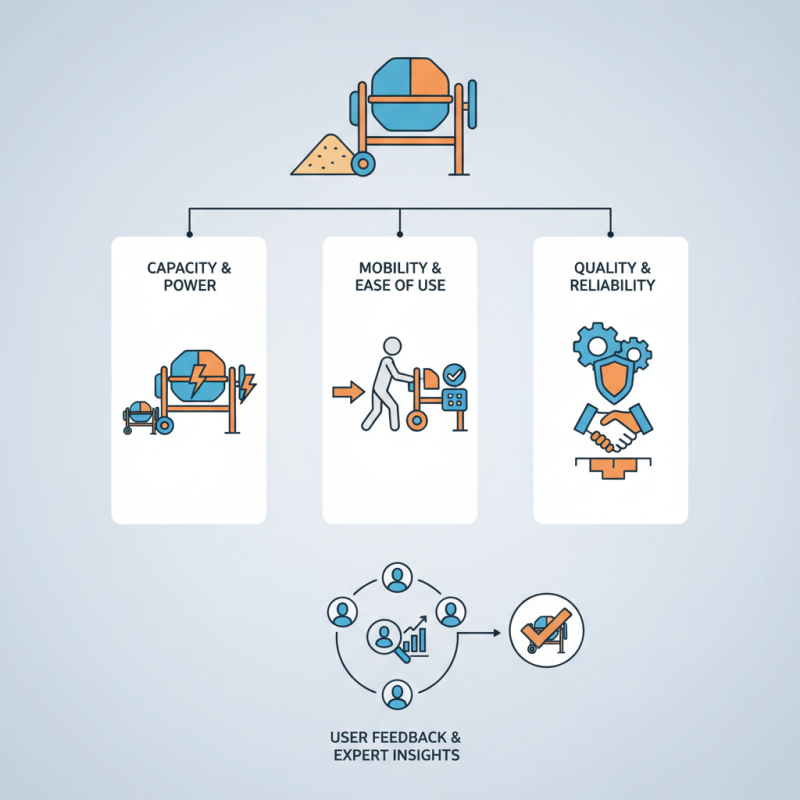
Small Cement Mixer Concrete projects often require specific features. Consider the capacity and power of the mixer. A unit with a higher capacity can handle larger batches, while a more powerful motor can mix denser materials. Finding the right balance is essential.
Additionally, reflect on the mobility and ease of use of the mixer. Some models may be heavy and hard to move, impacting project timelines. Keeping these factors in mind will help you choose a mixer that meets your needs. Look for feedback from users and industry professionals to gain dependable insights. Quality should never be compromised, even if it sometimes comes with a higher price tag.
Understanding the Different Types of Small Cement Mixers
When selecting a small cement mixer, it’s vital to understand the types available. Portable electric mixers are widely used. They are easy to transport and plug into any standard outlet. This makes them ideal for small projects, like DIY repairs or landscaping. However, their capacity may limit larger jobs.
Alternatively, gas-powered mixers offer increased power and are suitable for more extensive construction work. Though heavier, they deliver higher performance. Some users might find their noise to be a concern, especially in residential areas. It's essential to weigh the pros and cons before choosing.
Another option is the drum mixer. This design is efficient for mixing concrete. The tilting drum allows for easy pouring. However, it may not be as portable. For users with limited space, this could be a drawback. Evaluating needs is crucial for making the right choice. Each type has strengths and weaknesses, depending on the project requirements.
Key Features to Consider When Choosing a Small Cement Mixer
When selecting a small cement mixer, several key features should guide your decision. First, consider the capacity. Typically, mixers range from 2 to 5 cubic feet. A smaller mixer may suffice for home projects, while larger jobs might require more capacity. Think about the size and weight too. A lighter model is easier to maneuver but may sacrifice sturdiness. It's all about finding the right balance.
Next, pay attention to the power source. Electric mixers are quieter and easier to use indoors, while gas-powered models offer more portability. Think about where you'll be mixing your cement. Evaluate the durability of the mixer as well. Look for robust construction materials that can withstand the demands of frequent use. This balance of weight and durability can be tricky.
Finally, check the mixer’s mixing efficiency. Paddle design influences how well the cement blends. Sometimes, users overlook reviews, which can provide essential insights. Not every model excels in every area. Some may struggle with smaller batches while others might be cumbersome for larger mixes. It’s worth reflecting on your specific needs to make an informed choice.
How to Choose the Best Small Cement Mixer for Concrete?
| Feature | Description | Importance |
| Drum Capacity | Typically ranges from 2 to 6 cubic feet, determines the amount of concrete you can mix at a time. | High |
| Power Source | Electric or gas-powered, affects mobility and mixing capability. | Medium |
| Weight | Heavier models provide stability; consider if portability is essential. | Medium |
| Material Quality | Higher quality materials ensure durability and longevity of the mixer. | High |
| Ease of Use | User-friendly controls and design can significantly improve the mixing experience. | High |
| Warranty | A good warranty can provide peace of mind regarding the quality and durability. | Medium |
Assessing the Capacity and Size for Your Project Needs
When choosing a small cement mixer, capacity and size are crucial factors. Understanding the project needs is essential before making a decision. For small residential projects, such as patios or walkways, a mixer with a capacity of 2 to 3 cubic feet often suffices. According to the American Concrete Institute, this capacity typically handles around 1 to 2 bags of cement at a time, making it manageable for DIY enthusiasts.
For larger projects, such as driveways or foundations, consider a mixer with a capacity of 4 to 6 cubic feet. This size allows for mixing larger batches, saving time and effort. However, it's essential to assess the space where the mixer will be used. A large mixer requires ample room for operation and can be difficult to maneuver in tight spaces. A report by the National Ready Mixed Concrete Association indicates that improper mixing can lead to poor strength and durability of concrete, emphasizing the importance of selecting the right size.
Additionally, transportability is a vital consideration. Some small mixers are lightweight and easily portable, while others may be bulkier and less convenient. If mobility is a concern, look for models with wheels. The trade-off may involve sacrificing capacity for convenience, introducing a reflection point for potential buyers. Always weigh the project’s specific demands against the mixer’s specifications.
Choosing the Best Small Cement Mixer - Capacity Comparison
This chart compares the capacity of various small cement mixers, helping you assess which size may be best suited for your concrete project needs. Choose a mixer with adequate capacity to ensure efficient concrete mixing for your specific requirements.
Evaluating the Quality and Durability of Mixer Materials
When choosing a small cement mixer, durability and quality of materials are critical. Mixers come in various types, but the construction materials often determine their lifespan. Stainless steel and heavy-duty plastic are popular choices. These materials resist rust and wear over time. They also withstand harsh weather conditions. A solid, well-built mixer can provide consistent performance, making your concrete work smoother.
Here are some tips. Always inspect the mixing drum. A thick drum is usually more durable. Look for reinforced seams, too. Weak points in construction may lead to premature failure. Check the mixer’s overall weight; heavier mixers tend to use better materials. Lightweight models may compromise on quality, affecting their longevity.
Don't forget to assess the motor. A powerful motor enhances mixing efficiency. However, balance is essential. An overly powerful motor can stress weaker materials, risking damage. Always read user reviews. They can provide insight into durability and performance over time. Users often share their experiences with specific models, highlighting strengths and weaknesses.
Comparing Cost and Value of Small Cement Mixers on the Market
When comparing the cost and value of small cement mixers, it's essential to assess both their performance and practicality. Recent industry reports indicate that most small cement mixers range from $200 to $800. However, the true value often lies in their features. A basic model may save you money upfront but might lack efficiency and durability over time.
In terms of performance, smaller mixers typically have a capacity of 2 to 6 cubic feet. According to the American Concrete Institute, a reliable mixer should efficiently blend a batch in about 3 to 5 minutes. Many users, however, find that some low-cost models struggle to achieve this. Durability is another concern; some mixers are made from thinner materials that can wear out quickly, leading to additional costs. One review highlighted a 25% failure rate in budget-friendly options within just two years of use.
Considering these factors, investing in a slightly higher-end mixer can yield better long-term value. Many users report satisfaction when they choose models with higher wattage motors and solid construction. Yet, some still grapple with the decision, weighing immediate costs against the potential for costly repairs down the line. Being informed about the trade-offs can lead to a more rewarding purchase.