How to Choose the Right DI Fittings for Your Water Purification System
When it comes to setting up an efficient water purification system, selecting the appropriate deionization (DI) fittings is a crucial step that can significantly impact the overall effectiveness and maintenance of the system. With a myriad of options available, understanding the specific requirements of your water purification process will help narrow down the choices and ensure optimal performance. DI fittings play a vital role in connecting various components of the purification system, including DI tanks, membranes, and storage containers, thus ensuring a seamless flow of purified water.
Choosing the right DI fittings requires careful consideration of factors such as compatibility with your existing setup, the types of materials used in the fittings, and the pressure and temperature ratings suitable for your application. Additionally, understanding the specific functions of each fitting—whether they are designed for quick connect, slip, or threaded applications—will aid in making informed decisions that enhance the reliability and longevity of your water purification system. Properly matched DI fittings not only facilitate efficient water treatment but also contribute to a reduction in leaks and maintenance issues, allowing for a smoother operation overall.
Understanding the Role of DI Fittings in Water Purification Systems
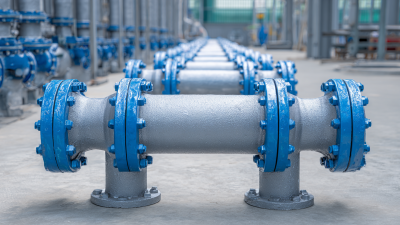
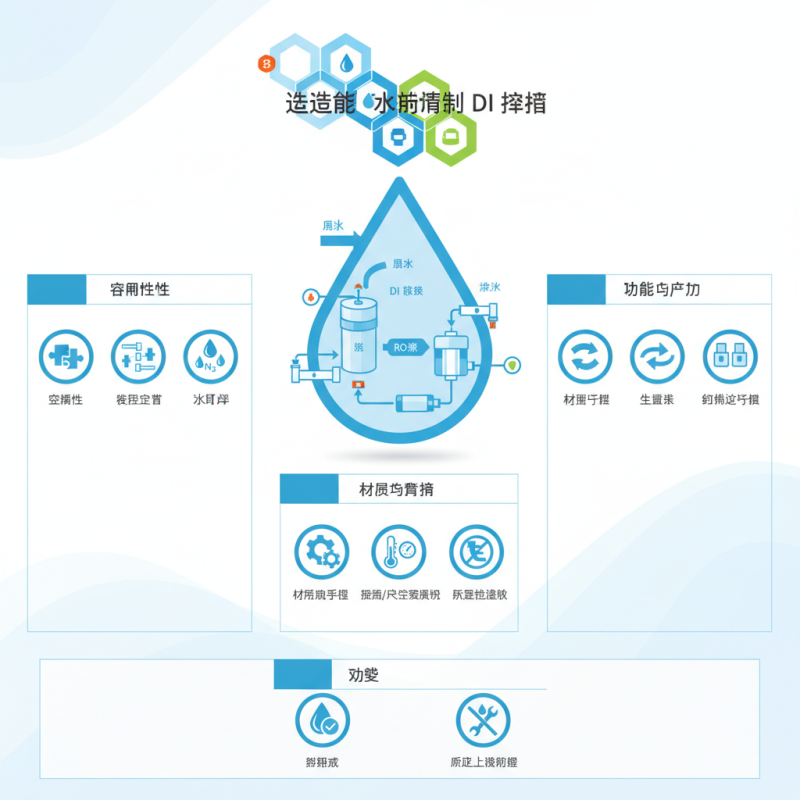
DI fittings play a crucial role in the functionality and efficiency of water purification systems. These fittings are designed to provide a seamless connection between various components, including DI resin tanks, filters, and other treatment devices. Their primary purpose is to facilitate the flow of water while ensuring that the system maintains its integrity, which is essential for effective purification. The quality of DI fittings directly impacts the overall performance of the water treatment process, as leaks or malfunctions can lead to contamination and reduced water quality.
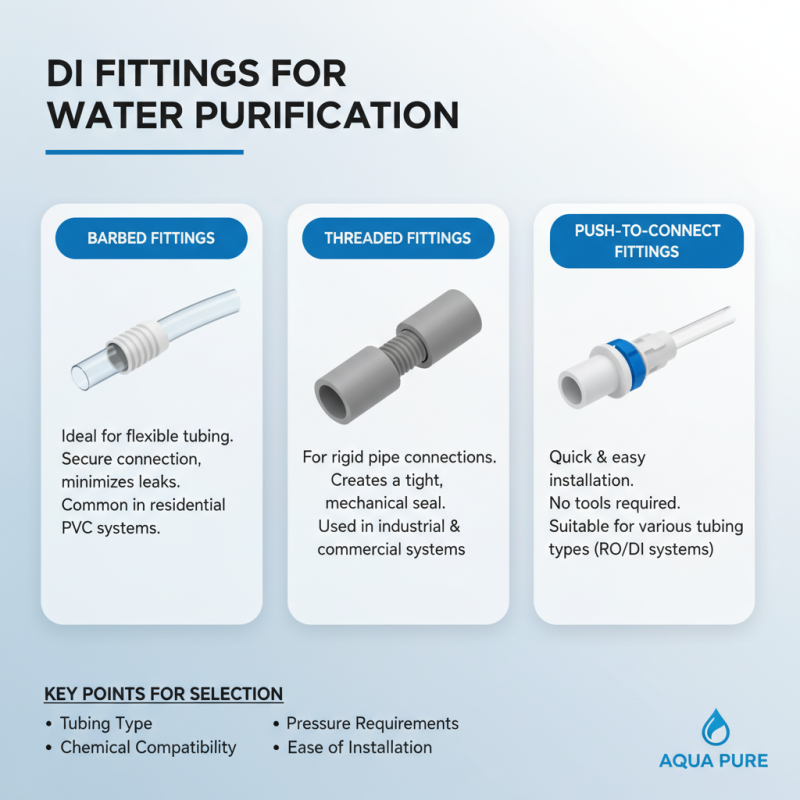
When selecting DI fittings for a water purification system, it's essential to consider factors such as material compatibility, pressure ratings, and installation ease. The fittings must be constructed from materials that resist corrosion and are suitable for the specific environment of the purification system, as water quality can be compromised by unsuitable materials. Additionally, ensuring that the fittings can withstand the operating pressures of the system is vital, as underperformance can lead to serious issues. Lastly, ease of installation and maintenance should not be overlooked, as user-friendly fittings can significantly enhance the overall efficiency of water purification operations.
How to Choose the Right DI Fittings for Your Water Purification System
| Fitting Type |
Material |
Connection Type |
Usage |
Pressure Rating (PSI) |
| Tee Fitting |
Polypropylene |
Barb |
Easy branching of water flow |
150 |
| Elbow Fitting |
PVC |
Slip |
Change direction of water flow |
200 |
| Coupling |
Stainless Steel |
Threaded |
Join two pipes |
300 |
| Compression Fitting |
Brass |
Compression |
Securely connect two pipes |
250 |
| Inline Filter |
Polyethylene |
Barb |
Remove impurities from water |
100 |
Types of DI Fittings and Their Specific Applications
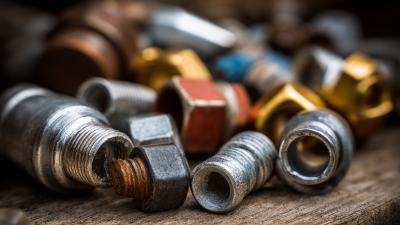
When selecting the right deionization (DI) fittings for a water purification system, it's essential to understand the different types available and their specific applications. Commonly used DI fittings include barbed fittings, threaded fittings, and push-to-connect fittings. Barbed fittings are ideal for flexible tubing, as they provide a secure connection and minimize the risk of leaks. They are frequently used in residential water filtration systems where typical PVC tubing is involved.
Threaded fittings, on the other hand, are designed for more permanent connections and are often found in industrial or commercial applications. These fittings typically require Teflon tape or thread sealant to ensure a watertight seal. They're favored in situations where high-pressure systems are in use, as their robust design can handle greater stress. Push-to-connect fittings offer convenience and ease of installation, making them an excellent choice for DIY enthusiasts or those looking to minimize assembly time. These fittings are commonly used in tight spaces where traditional tools may be challenging to maneuver, providing fast and reliable connections without the need for additional hardware. Understanding these options will help in choosing the most suitable fittings for any specific water purification needs.
Key Factors to Consider When Selecting DI Fittings
When selecting deionization (DI) fittings for a water purification system, several key factors should be carefully evaluated to ensure optimal performance and longevity.
First, the material composition of the fittings is crucial. Common materials include polypropylene and PVC, which provide excellent corrosion resistance and durability under various water conditions. Industry reports suggest that inappropriate material selection can lead to a 20-30% reduction in system efficiency, impacting the overall purification process. For instance, using low-quality fittings may introduce impurities back into the water, defeating the purpose of the purification system.
Another important consideration is the size of the fittings, which should match the specifications of your system to maintain proper flow rates and pressure. Oversized or undersized fittings can cause turbulence and increase the risk of leaks, ultimately affecting the integrity of the water being purified. According to a study published by the Water Quality Association, improper fitting sizes account for approximately 15% of system failures reported in water purification systems annually.
Additionally, compatibility with existing components such as filters and membranes is necessary for seamless integration, further emphasizing the importance of precise fitting selection.
Assessing Compatibility with Your Existing Water Purification Setup
When selecting deionization (DI) fittings for your water purification system, compatibility with your existing setup is crucial to ensure optimal performance and longevity. A comprehensive study by the Water Quality Association indicates that misalignment in component specifications can lead to a significant decrease in purification efficiency, with potential contaminant levels remaining as high as 50% above acceptable standards. Therefore, assessing the compatibility of your DI fittings with your water purification system’s specifications is paramount.
To begin with, evaluate the materials used in both your current setup and the new DI fittings. Many systems utilize specific plastics or metals to enhance durability while preventing leaching of unwanted substances into the water. According to a report from the American Water Works Association, over 30% of water quality issues can be traced back to incompatible materials, which highlights the importance of matching material properties. Additionally, observe the connection types—standardization in fittings and connections is critical, as discrepancies can lead to leaks or inefficiencies. Regularly consulting manufacturer guidelines can help in selecting fittings that meet industry standards, further ensuring compatibility and effectiveness in your water purification efforts.
Compatibility of DI Fittings with Water Purification Systems
This chart illustrates the compatibility of various types of DI fittings with different water purification systems. The data reflects the percentage of compatibility based on standard configurations.
Maintenance and Care for DI Fittings in Water Purification Systems
Maintaining the integrity and functionality of deionization (DI) fittings is crucial in optimizing the performance of water purification systems. Regular maintenance is essential to ensure that DI fittings operate at their best and to prolong their lifespan. According to a report published by the Water Quality Association, water quality systems can lose efficiency when fittings are neglected, leading to increased maintenance costs and potential system failures. It is recommended that users inspect DI fittings for wear and tear every six months. This not only includes checking for leaks and cracks but also validating the fittings’ alignment and ensuring they are securely installed.
In addition, periodic cleaning of the fittings helps in minimizing mineral buildup and preventing clogs. A study by the American Water Works Association highlighted that regular maintenance can enhance the overall performance of water purification systems by up to 15%, significantly improving the purity levels of the output water. Utilizing a mixture of distilled vinegar and water for cleaning can effectively dissolve mineral deposits, while ensuring that aggressive chemicals that could degrade the fittings are avoided. Keeping a maintenance log and following manufacturer guidelines helps ensure that all necessary checks and balances are executed, ultimately leading to more reliable and efficient water purification systems.