How to Choose the Best DC High Pressure Pump for Your Needs?
Choosing the best Dc High Pressure Pump for your specific needs can be a daunting task. According to industry expert Dr. Emily Carter, “A good DC High Pressure Pump is essential for efficiency and reliability in high-demand applications.” Her insights highlight the importance of selection criteria that consider performance, durability, and application fit.
Understanding the requirements of your project is crucial. The right pump can make a significant difference in outcomes. Factors such as flow rate, pressure, and power consumption play vital roles in the decision-making process. Many users overlook these aspects, leading to less optimal choices.
It's important to evaluate both established brands and emerging technologies. While well-known manufacturers often assure quality, new entrants sometimes offer innovative solutions that could meet your needs better. Balancing cost with performance is essential but can be challenging. Reflecting on past experiences with pumps may provide valuable lessons. Be open to adjustments based on your specific use case.
Understanding DC High Pressure Pumps: Basics and Applications
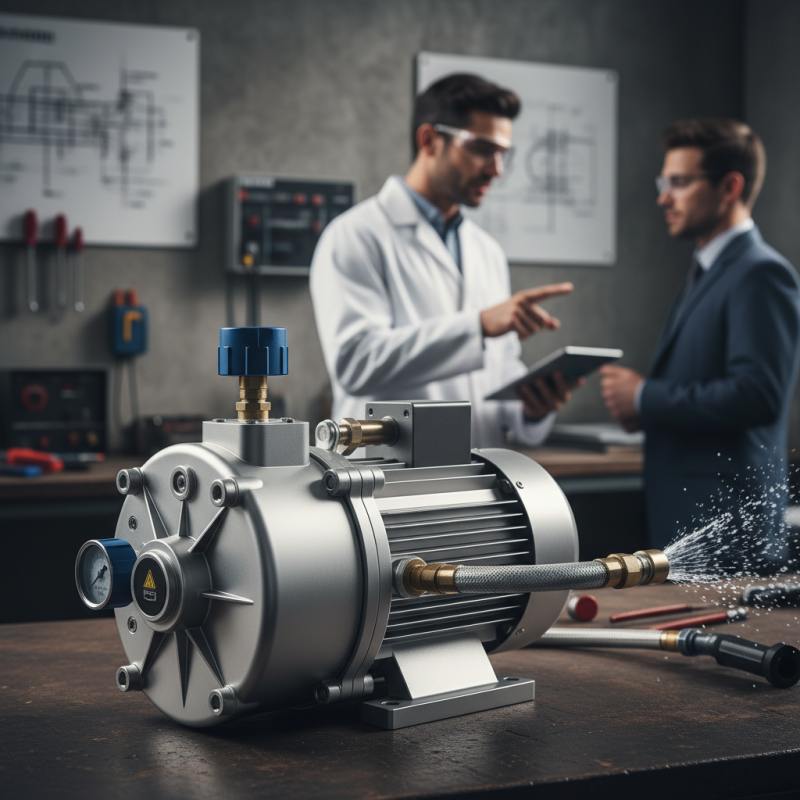
DC high pressure pumps are essential tools in various applications, from agriculture to industrial settings. These pumps convert electrical energy into mechanical energy, generating high pressure for fluid transfer. Understanding their basic components helps in choosing the right model. Typically, these pumps consist of a motor, impeller, and casing. Each part plays a vital role in determining efficiency and performance.
Applications of DC high pressure pumps are diverse. In agriculture, they can aid in irrigation systems by delivering water to crops effectively. In industrial scenarios, they facilitate processes like circulation cooling or washing systems. Additionally, these pumps are used in automotive sectors for fuel delivery. However, user needs can vary significantly. For example, a pump suitable for cleaning may not be ideal for irrigation.
Investing in the right pump requires careful consideration. What flow rate do you need? How high should the pressure be? These questions are crucial for effective operation. Always evaluate your specific requirements. Think about the environment where the pump will operate. Some conditions may cause wear and tear faster than expected. Balancing your budget with performance needs is another aspect to reflect on. Selecting a pump is a journey filled with choices and challenges.
Key Factors to Consider When Selecting a DC High Pressure Pump
Selecting the right DC high pressure pump involves understanding key factors that directly affect performance. One critical aspect is the flow rate. According to industry reports, optimal flow rates vary significantly depending on the application, ranging from 1 to 50 liters per minute. A mismatch can lead to inefficiencies. Users must evaluate their specific needs and select a pump that delivers the appropriate flow without compromise.
Another important consideration is pressure output. High pressure pumps typically function within a range of 300 to 5000 psi. Data indicates that selecting a pump capable of delivering excess pressure can be wasteful and may even damage equipment. Users should analyze the requirements of their systems carefully. Choosing a pump with adjustable pressure settings can offer flexibility but may introduce complexity.
Durability and material quality also deserve attention. High-pressure environments can wear down pumps rapidly. Reports show that pumps constructed from corrosion-resistant materials last longer, particularly in harsh conditions. Users should balance durability with cost. Sometimes, investing in a more robust pump may be more economical in the long run, preventing frequent replacements and downtime. This approach requires careful consideration that some may overlook.
Evaluating Performance Specifications and Efficiency Ratings
When choosing a DC high pressure pump, performance specifications are crucial. Key metrics include flow rate, pressure rating, and energy efficiency. According to industry reports, pumps typically operate with flow rates between 0.5 to 20 liters per minute. The efficiency ratings often range from 60% to 90%. These figures directly impact the pump's effectiveness in your specific application.
Pressure ratings are equally important. Many high-pressure pumps offer operational pressures from 30 to over 300 psi. However, selecting a pump with an unnecessarily high pressure rating can lead to inefficiencies and increased wear. It's essential to match the pump's capabilities with your requirements. A pump that operates at its optimal pressure and flow can save energy and prolong lifespan.
Efficiency ratings should also guide your decision. A recent study highlights that pumps with better design and materials can reduce operational costs by up to 30%. Regular maintenance is vital for maintaining efficiency over time. Neglecting upkeep can lead to performance drops, raising energy consumption and repair costs. A careful balance between specifications and efficiency will yield the best results for your suction needs.
Assessing Compatibility with Your System and Fluid Requirements
Choosing the right DC high-pressure pump starts with understanding your system's compatibility. Look at the fluid requirements first. Different fluids require different materials; compatibility is essential. For example, water-based fluids might work well with standard materials, while corrosive liquids need specialized options.
A recent study indicates that nearly 40% of pump failures stem from material mismatches. Regularly reviewing your fluid properties can prevent costly downtime. It's crucial to analyze factors like viscosity, temperature, and chemical composition when selecting your pump.
Tips: Always consult material compatibility charts before making a choice. Consider performing a small-scale test if you're unsure about fluid effects on materials. Remember, a pump that works flawlessly for one application may not suit another. Don't ignore the nuances in your specific needs; even minor details can lead to major issues.
Exploring Maintenance and Support Options for Longevity
Maintaining a DC high-pressure pump is crucial for efficiency and longevity. Regular maintenance can significantly reduce downtime and repair costs. According to industry reports, about 30% of pump failures result from improper maintenance. This highlights the importance of establishing a robust maintenance schedule. Regular inspections can identify wear and tear early, allowing for timely replacements of components.
Support options also play a key role in ensuring operational reliability. Many manufacturers offer comprehensive service packages, which can include training for operators. Investing in training helps staff understand the nuances of pump operation. Reports indicate that properly trained operators can enhance pump lifespan by up to 25%. Additionally, leveraging remote monitoring technology is becoming more common. This technology allows for real-time data analysis, enabling proactive maintenance and reducing unexpected failures.
However, not all support options are created equal. Choosing the wrong service plan might lead to additional unplanned costs. Companies often underestimate the importance of selecting a reliable support network. Reviewing customer support ratings and service response times can help in making informed decisions. Ensuring that a solid support system is in place is as critical as the pump's quality itself.
Maintenance Frequency for DC High Pressure Pumps