How to Choose the Best Incinerator for Your Needs?
Choosing the right incinerator can be a daunting task. Experts like Dr. Emily Carter, an industry leader in waste management, emphasize, "Selecting the right incinerator is as crucial as its operation." Her insights guide many through the complexities of this decision-making process.
Incinerators come in various sizes and designs, tailored to specific needs. Understanding the waste type, volume, and disposal regulations is essential. For instance, industrial facilities may require larger, more efficient models, while smaller operations might benefit from compact incinerators. It's vital to consider the emission standards and efficiency to ensure environmental compliance.
Making the right choice involves careful evaluation. Not all incinerators are created equal. Some may promise efficiency but fall short in real-world applications. Reflecting on user experiences can unveil hidden challenges. As you embark on this journey, keep Dr. Carter's words in mind. Your decision today impacts tomorrow's waste management landscape.
Understanding Different Types of Incinerators Available in the Market
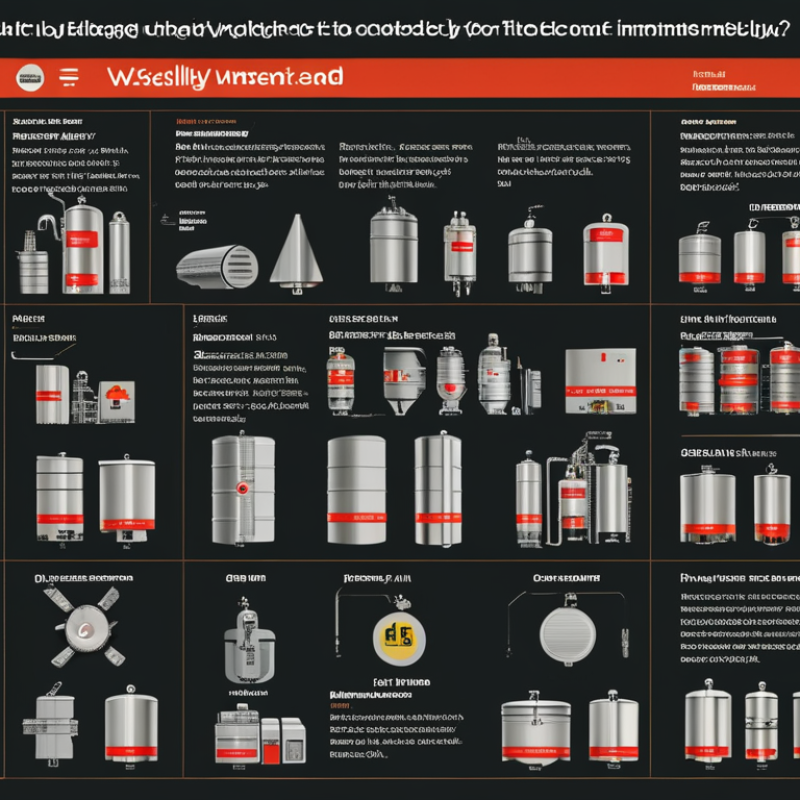
When exploring different types of incinerators, it's essential to consider your specific needs. Various models are designed for diverse waste management tasks. For instance, there are batch incinerators, which are typically used for smaller amounts of waste. They operate on a simple principle, where waste is loaded and burned in discrete batches. This model can be effective for low-volume waste.
Then, there are continuous incinerators. These are suitable for larger operations and can handle a steady feed of waste. They’re designed for efficiency and often include advanced emission controls. However, this model can be more complex and require more frequent maintenance. It’s vital to assess your workflow to determine which type fits best.
Another option is the medical waste incinerator, tailored for specific industry demands. These units are equipped to safely handle hazardous materials. They usually come with enhanced safety features to prevent harmful emissions. This specialization means higher compliance with health regulations but may lead to increased costs. Balancing functionality and budget is crucial in this case. Understanding these options equips you to make informed choices, albeit challenging at times. It’s a learning curve that requires careful reflection on your priorities.
Assessing Your Waste Management Needs and Volume Requirements
When assessing your waste management needs, it’s vital to evaluate the type and volume of waste generated. This assessment helps in selecting an incinerator that aligns with your specific demands. According to industry reports, commercial and industrial sectors produce approximately 1.3 billion tons of waste globally each year. Understanding how much waste you produce can guide your choice.
Consider the waste composition. Organic waste, plastics, and hazardous materials require different handling. For instance, an incinerator designed for medical waste must meet stricter emission standards. The U.S. Environmental Protection Agency states that proper incineration can reduce waste volume by up to 90%. This statistic underscores the importance of selecting the right technology.
Evaluate the capacity of the incinerator. It must match your waste volume without frequently shutting down for maintenance. Data shows that facilities with inadequate capacity face higher operational costs. Reflecting on these factors helps ensure efficiency and compliance with local regulations. Balancing immediate needs with future growth is also essential for a sustainable waste management strategy.
How to Choose the Best Incinerator for Your Needs? - Assessing Your Waste Management Needs and Volume Requirements
| Incinerator Type | Waste Type | Capacity (kg/hr) | Emission Control | Operating Temperature (°C) | Fuel Source |
| Fixed Hearth | Municipal Solid Waste | 300 | High Efficiency Filter | 850 | Natural Gas |
| Rotary Kiln | Hazardous Waste | 500 | Scrubber System | 1200 | Electricity |
| Modular Incinerator | Biomedical Waste | 100 | Activated Carbon Filter | 900 | Propane |
| Fluidized Bed | Industrial Waste | 400 | Venturi Scrubber | 1000 | Coal |
Key Features to Consider When Choosing an Incinerator
Choosing the right incinerator demands careful consideration of several key features. Start by evaluating the incineration capacity, as this determines how much waste it can handle effectively. A unit with the right capacity ensures efficiency, preventing overloading that can disrupt performance. For instance, if you manage a large amount of waste daily, you'll need a more robust model.
Next, look into the fuel efficiency of the incinerator. An energy-efficient model minimizes operational costs and environmental impact. Consider the emissions control features as well. Advanced filtration systems can significantly reduce toxic emissions, which is crucial for compliance with regulations.
Another aspect to think about is the unit's ease of use. A user-friendly interface can simplify daily operations. However, some models may have complex settings that could confuse users. Maintenance requirements also vary. Some units need regular upkeep, while others are more low-maintenance. Reflect on how much time and effort you can commit to this aspect. Choosing the right incinerator involves balancing these factors based on your specific needs and circumstances.
Comparison of Key Features in Incinerators
Evaluating Compliance with Local Environmental Regulations
When considering an incinerator, compliance with local environmental regulations is crucial. Different regions have specific norms regarding emissions, waste types, and operational practices. Ignoring these regulations can lead to hefty fines and legal repercussions. It's vital to understand what the local laws dictate. Research can be overwhelming, but it is essential.
Local regulations often specify the types of waste permissible for incineration. Some materials may release toxic substances when burned. For instance, burning plastic can create harmful dioxins. You'll need to consider how your chosen incinerator handles emissions. Technologies like scrubbers and filters can significantly impact compliance levels. However, not all incinerators have these features.
It's also important to review the permits required for operation. Many areas mandate specific licenses for incinerators. Without proper permits, you may face shutdowns. Regular inspections may also be part of the local requirements. Then, there are monitoring obligations post-installation. These factors can impact operational costs. Reflecting on these aspects early can save future headaches.
Comparing Costs and Maintenance Needs of Various Incinerator Models
When selecting an incinerator, costs and maintenance are critical factors to consider. The initial investment can vary significantly among models. While lower-priced options seem attractive, they may incur higher operational costs. Components may wear out faster, leading to more frequent repairs. Some models require specialized parts, which can be expensive. Understanding the total cost of ownership is essential.
Maintenance is another crucial aspect. Regular upkeep ensures efficiency and longevity. Some incinerators need routine cleaning, while others are almost maintenance-free. Evaluate how often each model requires servicing. This may impact your choice significantly. Additionally, consider the availability of support and spare parts. A model with limited support can leave you in a tight spot.
Reflecting on your specific needs is vital. What waste type will you incinerate? Some models handle various materials, while others are more specialized. A mismatch could lead to operational issues. Each model has strengths and weaknesses. Knowing yours can guide you in making a better choice.