How to Choose the Best Lightning Alert Device?
Choosing the right Lightning Alert Device is a safety decision, not merely a technology purchase. A reliable unit should detect nearby electrical activity, deliver a clear warning, and remain useful when weather becomes chaotic. Outdoor workers, sports managers, marina operators, and homeowners may all need different protection levels.
John Jensenius, a lightning safety specialist associated with the National Weather Service, states, “If you can hear thunder, lightning is close enough to pose an immediate threat.” His warning gives this topic practical weight. A device should support safe decisions, not encourage people to watch storms from a dangerous location. Detection range, alert speed, audible volume, visual signals, mobile notifications, battery backup, and weather resistance deserve careful comparison.
No Lightning Alert Device is perfect. That is easy to forget. Some models may trigger false alerts, lose connectivity, or perform differently around tall buildings and dense trees. A device with impressive specifications may still be frustrating on a noisy construction site. Buyers should examine independent testing, warranty terms, installation guidance, and user feedback from similar environments. A practical trial can reveal more than a polished product page.
This guide explains how to compare devices with experience, evidence, and realistic expectations. It also considers maintenance, signal reliability, and emergency procedures. Technology can improve awareness. It cannot replace responsible shelter decisions. The best choice is the one people understand, hear, test, and trust before the storm arrives.
Understanding How Lightning Alert Devices Work
A lightning alert device detects electrical changes linked to developing storms. Many units use an electric-field sensor to measure charge in the air. When the field strengthens rapidly, the device may sound an alarm. This can happen before visible lightning appears.
Some devices also receive radio signals from lightning strikes. These signals travel far and can reveal nearby activity, even behind hills or buildings. More advanced systems combine local field measurements with strike-location data. This combination can reduce false alarms, but it cannot predict every strike.
Placement affects performance. Install the sensor in an open area, away from tall metal objects and heavy electrical equipment. A blocked sensor may miss important changes. Check the detection range, alert delay, battery life, and outdoor durability before choosing a unit. The device should be easy to hear near machinery or strong wind.
No device is perfect. A warning may arrive late, especially when storms develop quickly. Rain, dust, wiring, or nearby transmitters can also affect readings. I would treat the alarm as one safety signal, not a final decision. Weather forecasts and trained judgment still matter. Test the unit regularly. Small details matter.
Comparing Device Types, Detection Ranges, and Alert Methods
How to Choose the Best Lightning Alert Device?
Device type should match the place and decision time. A local electric-field detector senses storm charge near your site. It can warn before nearby strikes, but buildings, trees, and terrain may affect readings. Network-based systems use multiple sensors and often show storm movement on a phone. Weather radios provide official warnings, yet they may not identify a strike only a few miles away. NOAA’s National Weather Service states that lightning can strike more than 10 miles from a storm. Range matters more than a bright screen.
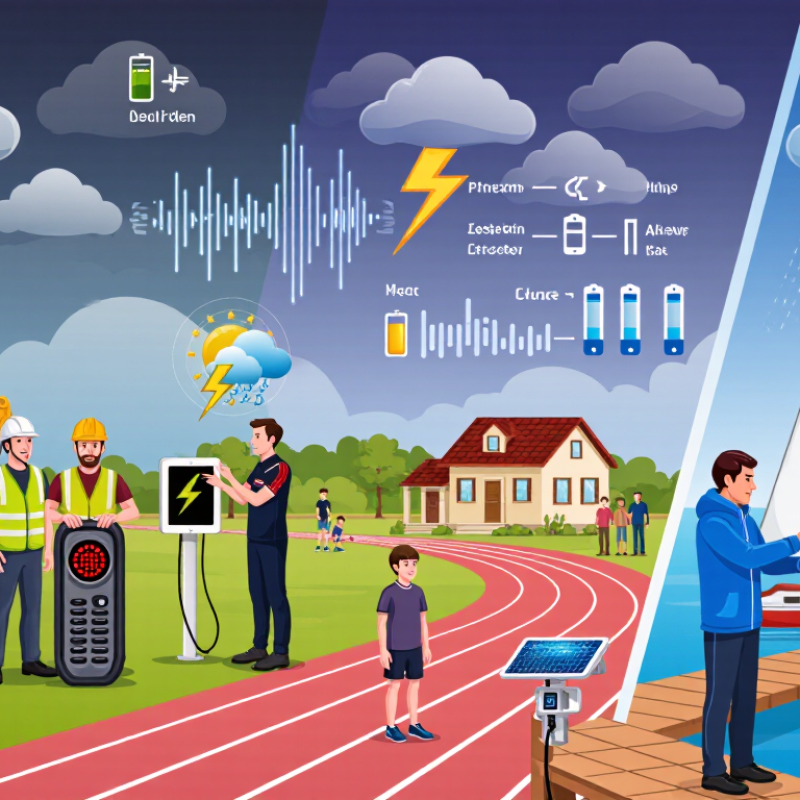
Alert methods also shape real-world safety. Audible alarms work well at a quiet pool or sports field. Vibration helps workers wearing hearing protection. Flashing lights suit noisy factories, but bright sunlight can reduce visibility. App alerts offer maps and records, although mobile coverage and notification delays remain weaknesses. The World Meteorological Organization recognizes lightning detection as an important tool for early warning, not a replacement for shelter decisions. No device is perfect. I would not trust one threshold blindly.
Tips: Choose a device that lists detection range, update delay, and false-alarm performance. Test its sound outdoors. Keep a backup alert method nearby. Replace batteries before storm season. NOAA reports roughly 20 lightning deaths yearly in the United States during recent years, so a warning should trigger action, not debate. A practical rule is simple: when thunder is audible, move indoors.
Choosing the Right Lightning Alert Device for Your Needs
How to Choose the Best Lightning Alert Device?
Choosing the right lightning alert device starts with your actual environment. A beach, golf course, farm, and construction site need different coverage. NOAA’s National Severe Storms Laboratory estimates that lightning strikes Earth about eight million times daily. Distance matters. The U.S. National Weather Service warns that lightning can strike more than 10 miles from a storm.
Choose a device with a clearly stated detection range, fast alerts, and multiple warning methods. Loud sirens help on open fields. Bright strobes work near machinery. Vibration alerts are useful when hearing protection is required. Check the battery life, weather resistance, mounting options, and operating temperature. A small device may suit a patio, but it could fail across a large sports field. Do not trust vague claims.
No sensor is perfect.
False alarms can interrupt work, while delayed alerts can create dangerous hesitation. Ask how the device identifies lightning, not only whether it detects storms. Some systems monitor nearby electrical activity; others depend on network data. NOAA guidance also recommends waiting at least 30 minutes after the last thunder before resuming outdoor activity. A device should support that decision, not replace it.
Picture a supervisor hearing an alert beside a running generator. The warning must be noticeable immediately. Test it monthly, inspect damaged cables, and record missed alerts. I would rather choose a less elegant device with clear specifications than a cheaper model that sounds impressive. That judgment may change after real-world testing.