How to Choose the Best Mineral Wool Batts for Insulation?
Choosing the right insulation is crucial for energy efficiency and comfort. When it comes to insulation materials, "Mineral Wool Batts" stand out for their effectiveness. Expert John Smith, a leading consultant in thermal insulation, states, "The right choice in insulation can significantly impact your home’s energy consumption."
Mineral Wool Batts offer a range of benefits. They provide excellent thermal performance and are resistant to fire and pests. Understanding the specific needs of your space is key to making an informed choice. Factors like local climate, building type, and specific energy goals must be considered.
However, not all Mineral Wool Batts are created equal. Brands differ in density and composition. Some may not perform as advertised, which can be frustrating. It requires careful evaluation to avoid overspending on inferior products. Choosing the best Mineral Wool Batts can lead to significant long-term savings, but it’s essential to assess your options with diligence.
Understanding Mineral Wool Batts and Their Benefits
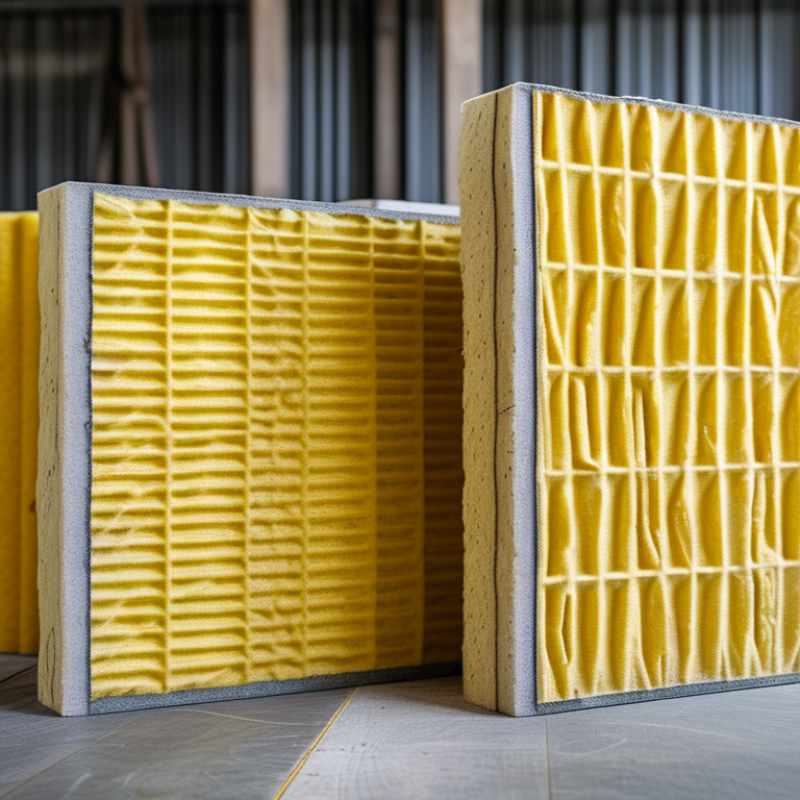
Understanding mineral wool batts is essential for effective insulation. These batts are made from natural and recycled materials, providing excellent thermal performance. They are not only durable but also resistant to fire and pests. Homeowners can benefit from reduced energy costs and improved indoor comfort. The soundproofing qualities of mineral wool are a major plus, especially for urban residences.
When choosing mineral wool batts, consider the R-value for your climate zone. A higher R-value means better insulation. Ensure proper installation, as gaps can significantly reduce performance. Check for any local building codes that may apply. Always look for products with certifications to ensure reliability.
The weight of mineral wool is another factor to consider. It can be heavier than other insulation types, which may complicate installation. Sometimes, installation can create dust and irritants. Proper protective gear is important during this process. Take the time to educate yourself about these products to make informed choices.
Evaluating R-Value and Thermal Performance in Insulation
When selecting the best mineral wool batts, evaluating R-value is crucial. R-value measures thermal resistance. Higher numbers indicate better insulation. Always check the R-value for specific climates. It can be tempting to choose the product with the highest rating, but consider other factors too. The installation method and the area being insulated also play significant roles in performance.
Thermal performance varies based on density and type of mineral wool. Higher density batts often provide better sound insulation, as well as thermal benefits. However, they might be more challenging to install. It’s vital to assess where you will use the insulation. For instance, walls, ceilings, and floors have different requirements. Research typical needs for your local environment.
Real-life experiences with insulation reveal common pitfalls. For example, some homeowners find they underestimated their insulation needs. Others realized the importance of sealing gaps for optimal performance. Ensuring a thorough installation can impact overall effectiveness. Take the time to inspect the work after installation. This reflection can lead to better energy efficiency and comfort in your space.
Considerations for Choosing Batts Based on Installation Space
Choosing the right mineral wool batts for insulation depends heavily on installation space. Different spaces have unique requirements. For attics, batts that are easy to install and fit snugly into rafters are ideal. In contrast, walls may require batts tailored for friction fit or stapling. According to the North American Insulation Manufacturers Association, mineral wool insulation offers impressive R-values, often ranging from R-3.0 to R-4.0 per inch. This makes it effective for energy savings.
When considering installation, moisture resistance is a key element. Mineral wool naturally resists moisture, which is essential in areas prone to dampness. This resistance helps prevent mold growth and contributes to indoor air quality. Look for batts that are tested and certified by the American Society for Testing and Materials to ensure reliability.
Choosing batts requires careful reflection on the insulation needs of your space. Measure the area accurately before purchasing. Improperly sized batts can lead to gaps and decreased efficiency. Always consider local climate conditions as well. They have a significant impact on the effectiveness of insulation material. Awareness of these factors will lead to a more informed choice.
Assessing Fire Resistance and Water Resistance Properties
When choosing mineral wool batts for insulation, fire and water resistance properties are paramount. Fire resistance is crucial. Mineral wool is inherently non-combustible. It can withstand high temperatures, which makes it a safe choice for insulation. In areas prone to wildfires or with strict building codes, this characteristic is vital. However, not all products offer the same fire rating. Always check certifications to ensure they meet your local safety standards.
Water resistance also plays a significant role. Mineral wool offers excellent moisture control. It does not absorb water like some other materials. This feature prevents mold growth. Yet, some types may still be susceptible if not properly installed. Gaps in insulation can allow water in, compromising the performance. Proper installation methods should be emphasized.
Inspecting these properties ensures a durable, effective insulation solution. However, it’s easy to overlook details during the selection process. It's advisable to consult with professionals when unsure. They bring valuable insights to the evaluation, helping you avoid common pitfalls. Ultimately, the right choice can enhance comfort and safety in your living spaces.
How to Choose the Best Mineral Wool Batts for Insulation? - Assessing Fire Resistance and Water Resistance Properties
| Property | Description | Rating (1-10) |
| Fire Resistance | Mineral wool batts are non-combustible and resist fire, protecting structures. | 9 |
| Water Resistance | Resists moisture absorption and prevents mold growth. | 8 |
| Thermal Performance | Provides excellent insulation value, reducing energy loss. | 9 |
| Sound Absorption | Reduces sound transmission, making spaces quieter. | 8 |
| Environmental Impact | Made from recycled materials, contributing to sustainability. | 7 |
| Installability | Easy to fit between studs and joists in various applications. | 9 |
Comparing Cost and Environmental Impact of Mineral Wool Insulation
When it comes to mineral wool insulation, assessing cost and environmental impact is crucial. Mineral wool, made from natural rock and recycled materials, typically offers competitive pricing compared to other insulation types. However, cost can vary significantly based on quality and thickness. It's essential to compare these factors to get the best value for your investment.
On the environmental front, mineral wool presents both advantages and challenges. It is often praised for its fire resistance and sound dampening qualities. However, its manufacturing process can be energy-intensive, raising concerns about its carbon footprint. Evaluating local production sources can help minimize environmental impact.
Before making a choice, consider your specific insulation needs and the sustainability of the materials. The balance between cost and environmental responsibility can be tricky. Reflect on what matters most for your project. An informed decision can lead to better performance while considering the long-term effects on our planet.