How to Choose the Right Pipe Flange for Your Project?
Choosing the right pipe flange is crucial for any project involving piping systems. As noted by industry expert John Thompson, "The right flange guarantees a secure connection and prevents leaks." Understanding the various materials, sizes, and pressure ratings is key in this decision-making process.
Different types of pipe flanges serve distinct purposes, yet many overlook compatibility with existing systems. It's not merely about aesthetics or lowest cost. A poor choice can lead to catastrophic failures. Each application demands careful consideration of factors like temperature, pressure, and fluid type.
It's essential to seek guidance from professionals with experience in pipe flanges. Their insights can highlight common mistakes that lead to inefficiencies. While there is an abundance of options, the right choice can dramatically impact the project’s success. Being informed and cautious can save both time and resources in the long run.
Understanding the Different Types of Pipe Flanges Available
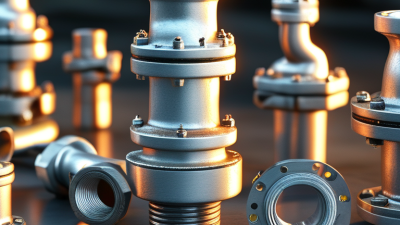
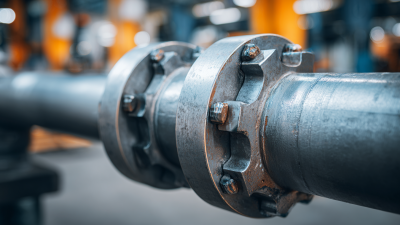
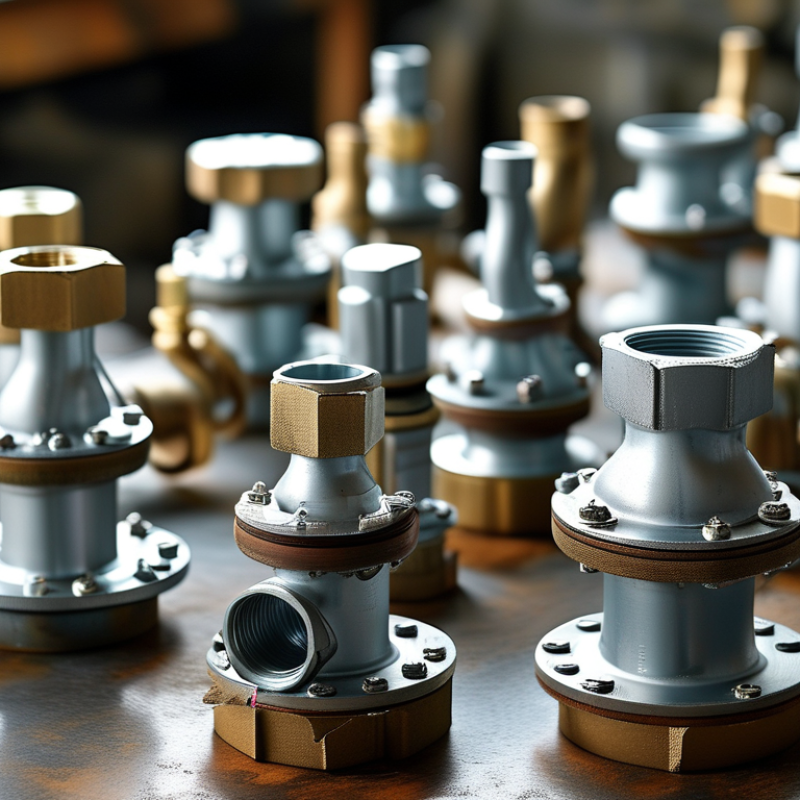
When selecting the right pipe flange for your project, understanding the types available is crucial. Flanges come in several designs, such as weld neck, slip-on, and blind flanges. Each type serves a specific purpose and offers unique advantages. According to industry data, weld neck flanges are ideal for high-pressure applications, while slip-on flanges provide ease of alignment in less critical installations.
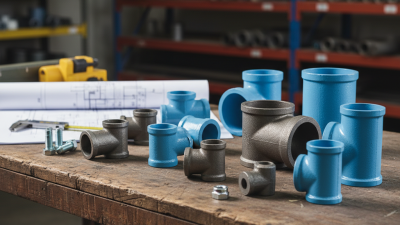
Consider the material as well. Common choices include steel, stainless steel, and PVC. Steel flanges are strong and durable, making them suitable for heavy-duty applications. Stainless steel flanges resist corrosion, ideal for chemical processing. PVC flanges are lightweight and corrosion-resistant, often used in water systems. Industry reports indicate that the choice of material influences overall project longevity and maintenance costs.
Tips: Always assess your project's pressure requirements before selecting a flange type. Proper installation is key to performance. Review manufacturer specifications carefully; not all flanges fit every scenario. Recognizing your system’s unique needs can save time and resources.
Key Factors to Consider When Selecting a Pipe Flange
Choosing the right pipe flange involves several critical factors. First, consider the material compatibility of the flange with the fluid being transported. Flanges come in various materials such as carbon steel, stainless steel, and plastic. Each material has its unique properties that affect durability and resistance to corrosion. It’s essential to match the flange material with the application needs to enhance reliability.
Next, ensure you assess the pressure and temperature rating of the flange. High-pressure systems require flanges that can withstand significant forces and stresses. The temperature rating also plays a vital role. Some flanges can become brittle at low temperatures, while others lose strength when exposed to high temperatures. This can lead to failure, leaks, and costly repairs.
Don’t forget about the size and type of connection needed. Flanges come in different sizes and designs such as blind, slip-on, and weld neck. The selection must fit the piping system precisely. An improper fit can lead to issues down the line. Many projects overlook these details, leading to unsatisfactory performance. Take the time to evaluate each aspect. Investing careful thought in selecting the right pipe flange will pay off in long-term efficiency and safety.
Materials and Their Impact on Pipe Flange Selection
Selecting the right materials for pipe flanges can significantly impact the performance and longevity of your project. Different environments demand different materials. For example, stainless steel is widely favored for its corrosion resistance. According to a report from the American Society of Mechanical Engineers (ASME), around 60% of industrial applications utilize stainless steel flanges due to their durability and strength.
However, not all stainless steel is created equal. The choice between types like 304 and 316 stainless steel can influence overall cost and functionality. Type 316 offers better resistance to pitting in chloride environments, making it suitable for marine applications. Yet, it comes with a higher price tag. Many projects overlook this aspect, leading to costly replacements later.
Plastic flanges, such as those made from PVC, provide excellent resistance to corrosive chemicals. Their lightweight nature simplifies installation. But they are not suitable for high-temperature applications. Careful consideration of the operating conditions is essential to avoid material failure. Industry data suggests that 15% of flange failures stem from inappropriate material choices. Tools like flange calculators and material data sheets can help guide your decision-making. It's crucial to conduct thorough research before finalizing your flange material.
Proper Sizing and Pressure Ratings for Pipe Flanges
Choosing the right pipe flange involves understanding its sizing and pressure ratings. Proper sizing ensures that the flanges fit your pipes correctly. Measure the outer diameter of the pipe and confirm the flange’s corresponding size. If there's a mismatch, it can lead to leaks or failures.
Pressure ratings are just as crucial. They indicate the maximum pressure a flange can handle safely. Look for ratings defined by industry standards. Common ratings include 150, 300, and 600 psi. Always consider the working environment. High temperatures or corrosive substances may affect the flange’s performance.
Tips: Always consult the specifications for your material. Different materials withstand pressures differently. Regular checks and maintenance are key. A small oversight can lead to significant issues down the line.
Sizing and pressure ratings shouldn't be taken lightly. Choosing incorrectly may result in damage. Reflect on the long-term implications of your choices.
Pipe Flange Sizing and Pressure Ratings
Installation and Maintenance Considerations for Pipe Flanges
When selecting the right pipe flange, installation and maintenance are crucial. Understand the environment where the flange will be installed. Factors like pressure, temperature, and the type of fluid are vital. A report by the American Society of Mechanical Engineers (ASME) indicates that improper flange selection can lead to issues like leaks and failures, costing industries approximately 20% of their maintenance budget annually.
Proper alignment during installation cannot be overlooked. Misalignment can cause stress on the flange and lead to premature failure. In a study from the American National Standards Institute (ANSI), about 30% of flange failures result from installation errors. Be diligent about torque settings. Using a calibrated torque wrench can help avoid over-tightening, which often leads to damaging the pipe or flange surfaces.
Regular maintenance is essential for longevity. Inspect flanges for corrosion or wear at regular intervals. A proactive approach can prevent costly replacements. The data indicates that maintaining a routine inspection schedule reduces repair costs by up to 40%. Mark any abnormalities during inspections and address them promptly. It's vital to involve trained personnel for any maintenance activities.