2026 How to Choose the Right Plumbing Fittings for Your Home?
Choosing the right plumbing fittings for your home can be daunting. Many options exist, making it hard to know where to start. Plumbing fittings serve as the essential pieces in your plumbing systems. They connect pipes, ensuring water flows smoothly throughout your space.
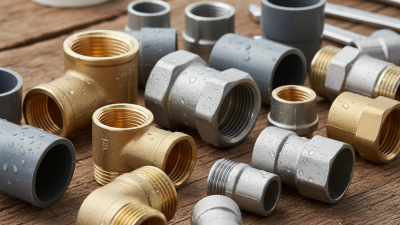
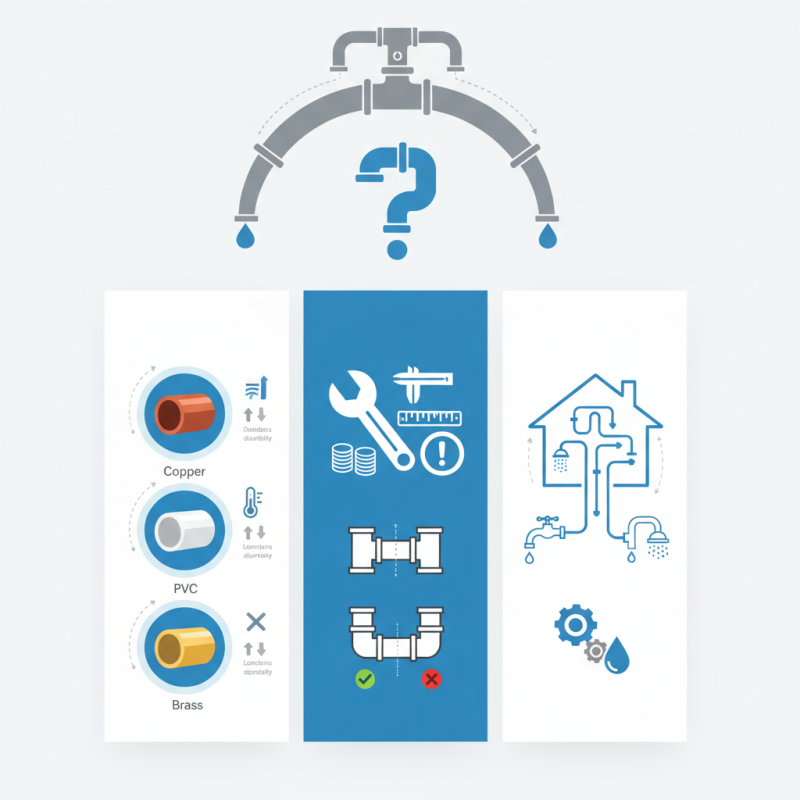
Consider the materials of the plumbing fittings. Copper, PVC, and brass are popular choices. Each has its pros and cons. For example, copper is durable but more expensive. PVC is cost-effective but may not withstand high temperatures. Think about your specific needs before making decisions.
Don’t overlook the size of the fittings. Incorrect sizes can lead to leaks or severe plumbing issues. Measure existing pipes carefully. This step often gets neglected, leading to frustrating mistakes. Taking the time to reflect on your choices is crucial. Proper plumbing fittings contribute significantly to your home’s functionality. Understanding your options will ultimately result in a better plumbing experience.
Understanding Different Types of Plumbing Fittings Available in the Market
When selecting plumbing fittings, understanding the types available is crucial. Common materials include PVC, copper, and PEX. These materials differ in durability and application. PVC is popular for drainage systems due to its resistance to corrosion. Copper fittings, although more expensive, last longer and perform well under high temperatures. PEX offers flexibility and easy installation.
According to a 2022 industry report, demand for PEX fittings has risen by 30% over the past five years. This growth reflects homeowners' preference for efficient and reliable plumbing solutions. However, one must consider local building codes. Some areas do not allow PEX for certain applications.
Choosing the wrong fittings can lead to costly repairs. For instance, a leak from an improperly installed fitting can waste thousands of gallons of water annually. Many homeowners underestimate the impact of material choice on long-term performance. Investing time in research can prevent future issues, like clogs or leaks. Before making a decision, it's essential to reflect on your specific plumbing needs.
2026 How to Choose the Right Plumbing Fittings for Your Home?
| Type of Fitting |
Material |
Common Use |
Advantages |
Disadvantages |
| Elbow |
PVC |
Changing direction of pipes |
Lightweight, corrosion-resistant |
Not suitable for hot water |
| Tee |
Copper |
Diverting flow in multiple directions |
Durable, suitable for hot and cold water |
More expensive than other materials |
| Coupling |
Stainless Steel |
Joining two pipes |
Highly resistant to rust and corrosion |
Can be heavy and costly |
| Cap |
PVC |
Closing off the end of a pipe |
Easy to install, lightweight |
Not for high-pressure systems |
| Valve |
Brass |
Controlling water flow |
Robust, offers precise flow control |
Can be prone to corrosion over time |
Factors to Consider When Choosing Plumbing Fittings for Your Home
Choosing the right plumbing fittings is essential for a home's functionality. Several factors need consideration. First, think about the materials. Common options include PVC, copper, and brass. Each has different pros and cons. PVC is lightweight and easy to install, but it may not handle high temperatures well. Copper is durable and resistant to corrosion but can be expensive.
Next, assess the size and compatibility. Measure your pipes carefully. A mismatch can lead to leaks and repairs, costing time and money. It's frustrating when fittings don’t fit. Sometimes, the store may not have the right size available. This could delay your project and add unnecessary stress.
Also, consider the installation process. Some fittings require special tools or skills. If you're not handy, you may need to hire a professional. This adds to the expense, but it ensures the job is done right. It’s important to reflect on your own abilities and comfort level. Choosing wisely today can prevent headaches later.
Factors to Consider When Choosing Plumbing Fittings for Your Home
This chart illustrates the importance of various factors when choosing plumbing fittings for your home. The ratings are based on a scale from 1 to 10, indicating how critical each factor is in the selection process.
Assessing the Compatibility of Plumbing Fittings with Existing Pipes
When choosing plumbing fittings, compatibility with existing pipes is crucial. Each pipe type has specific fittings. Understanding these differences helps avoid leaks and future issues. For example, copper and PVC require different connectors.
Ensure the fitting material matches the pipe type for a secure seal.
Inspect existing pipes carefully. Measure the diameter and check the material. Sometimes, older homes feature a mix of materials. This can complicate fitting choices. You might find that a standard fitting doesn’t align well. In such cases, seek adapters or consult professionals for advice.
Sometimes the right choice is not obvious. Fittings may look suitable but could lead to problems down the line. Test the fittings before finalizing your installation. Tightening too much can cause damage. Remember, not choosing the right fitting can result in costly repairs. Assess your options diligently and think ahead.
Evaluating Material Options for Plumbing Fittings: Pros and Cons
When choosing plumbing fittings, material options are critical. Common choices are copper, PVC, and PEX. Each material has unique advantages and drawbacks.
Copper fittings are durable and resistant to corrosion. They can last decades. However, the installation cost can be high. According to a 2023 report by the American Society of Plumbing Engineers, the average copper fitting can exceed $5 each. This expense can quickly add up for larger systems.
PVC is cost-effective and easy to work with. It's ideal for drainage systems. Yet, it’s not suitable for hot water. PEX offers flexibility and resistance to freezing. It’s becoming popular in modern homes. Still, some plumbers express concerns about long-term reliability. Data indicates that PEX can last 40-50 years, but this varies by installation quality. Each option demands careful consideration based on specific home needs. Making an informed choice could save on future repairs.
Tips for Installation and Maintenance of Plumbing Fittings
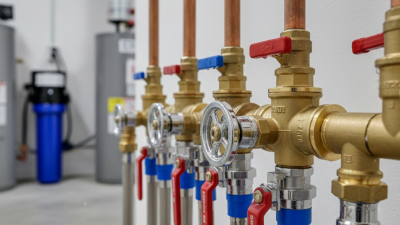
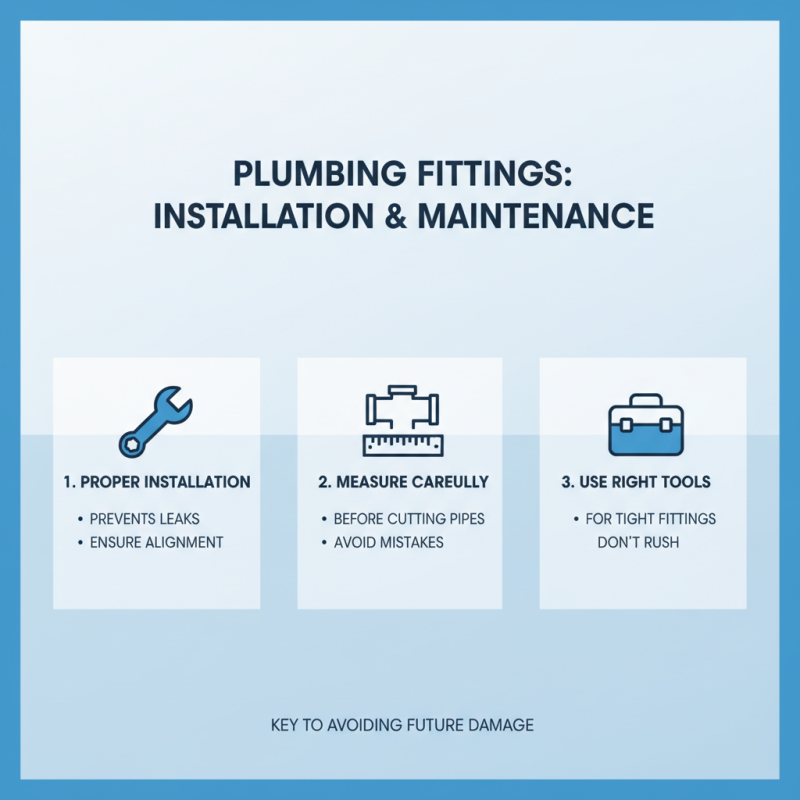
When it comes to plumbing fittings, installation and maintenance are critical. Proper installation can prevent leaks and future damage. Measure carefully before cutting pipes. Even a small mistake can cause issues later. Use appropriate tools for tight fittings. Don’t rush; take your time to ensure everything aligns perfectly.
Regular maintenance is also essential. Check for leaks periodically. Small leaks can lead to bigger problems. Clean fittings from debris. Use a soft cloth to avoid scratches. Corrosion can ruin fittings, so be vigilant. If you notice wear, consider replacing parts sooner rather than later. It’s better to address concerns before they escalate.
Sometimes, despite our best efforts, things go wrong. Unexpected leaks or noisy pipes can happen. Reflect on your installation methods and adjust if needed. Taking a moment to think about your process can improve future work. Embrace imperfections as learning opportunities in your plumbing journey.