What is Cold Rolled Steel and Why is it Essential for Manufacturing?
Cold Rolled Steel is a vital component in manufacturing industries. Its unique properties make it ideal for various applications. According to a recent report by the World Steel Association, the demand for Cold Rolled Steel is expected to grow steadily, with a projected annual increase of 3.5% by 2025. This trend reflects industry reliance on its strength and malleability.
Industry expert Dr. Emily Smith, a leading metallurgist, emphasizes its importance. She states, "Cold Rolled Steel enhances product durability while reducing weight." This statement underlines the value of this material in producing high-quality products across sectors. From automotive to construction, the role of Cold Rolled Steel cannot be overstated.
Yet, the market faces challenges. Manufacturers must balance cost-efficiency with quality. Fluctuating raw material prices and environmental regulations can impact production. Addressing these issues is crucial for sustaining growth in the Cold Rolled Steel market. The continuous evolution of manufacturing processes will play a significant role in overcoming these hurdles.
What is Cold Rolled Steel?
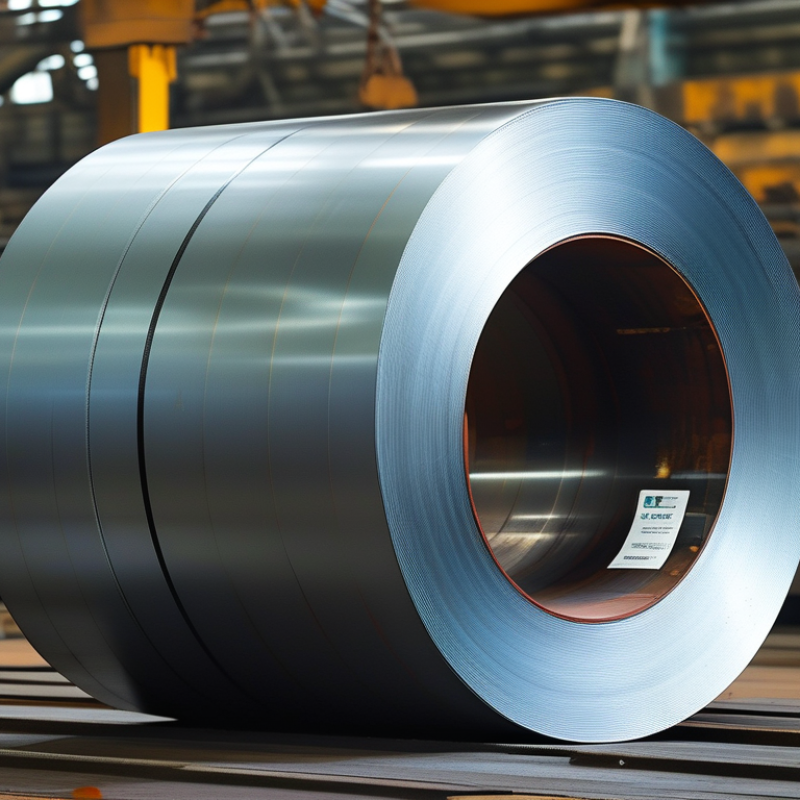
Cold rolled steel is a type of steel that has been processed through rolling at room temperature. This method enhances its strength and surface finish. The rolling process involves compressing the steel into thin sheets, typically providing a thickness range of 0.010 to 0.140 inches. According to the American Iron and Steel Institute, cold rolled steel exhibits better dimensional accuracy and a smoother surface compared to Hot Rolled Steel. This makes it ideal for applications where precision is crucial.
In manufacturing, cold rolled steel is often used in construction, automotive parts, and appliances. Its applications are wide-ranging, spanning from furniture to high-end machinery. The global cold rolled steel market is expected to reach over 900 billion USD by 2025, highlighting its critical role in various industries. However, challenges remain in sourcing and processing. The reliance on high-quality raw materials is a must. Manufacturers must also be aware of variations in steel grades, which can affect properties.
Despite the advantages, using cold rolled steel does come with some trade-offs. It can be costlier compared to hot rolled steel. The manufacturing process can also lead to increased production times. Over-reliance on imported materials can make supply chains vulnerable. As the industry evolves, balancing cost and quality remains an ongoing challenge. Understanding these nuances is essential for making informed decisions in manufacturing environments.
Steel Production by Type (2022)
The Manufacturing Process of Cold Rolled Steel
Cold rolled steel is produced through a meticulous manufacturing process that enhances its properties and versatility. Initially, steel is heated and passed through rollers to reduce its thickness. The cooling process occurs under controlled conditions, which results in a smooth finish. According to a report by the Steel Manufacturing Association, cold rolled steel can have a thickness variation as low as 0.1 mm. This precision makes it ideal for applications requiring tight tolerances.
During manufacturing, several factors must be monitored. Roll spacing, temperature, and load impact the steel's final form. Each variable influences strength and flexibility. Notably, cold rolled steel achieves a higher tensile strength—up to 20% stronger than its hot rolled counterpart—making it suitable for high-performance applications, such as automotive components. However, inconsistencies can arise if not all factors are properly controlled. Slight variations in the manufacturing environment can lead to unpredictable results, urging continuous quality assessments to ensure reliability.
The versatility of cold rolled steel is evident in diverse sectors. It serves in the production of appliances, furniture, and even building materials. The demand for cold rolled steel is projected to grow. A study from Market Research Futures estimates a compound annual growth rate of 4.3% through 2027. This growth reflects evolving industry needs, emphasizing the essential role of cold rolled steel in manufacturing today.
Key Properties and Benefits of Cold Rolled Steel
Cold rolled steel is a versatile material widely used in various manufacturing processes. Its unique properties make it advantageous for producers. The process of cold rolling enhances the steel's strength and surface finish. This allows for better tolerances in dimensions and a smoother appearance.
One key benefit of cold rolled steel is its superior strength. It is typically stronger than its hot rolled counterpart. This strength makes it suitable for applications in automotive and construction sectors. Additionally, cold rolled steel exhibits improved surface quality, which is crucial for aesthetic applications. Its smooth surface also facilitates painting or coating.
However, cold rolled steel is not without challenges. It can be more expensive due to the additional processing involved. Manufacturers must also consider its susceptibility to corrosion without proper treatment. A balance between performance and cost is essential for effective use. Understanding these factors is critical for anyone looking to utilize cold rolled steel in manufacturing.
What is Cold Rolled Steel and Why is it Essential for Manufacturing? - Key Properties and Benefits of Cold Rolled Steel
| Property | Description | Benefits |
| Thickness | Ranges from 0.5 mm to 3 mm | Allows for a lightweight design in structures |
| Surface Finish | Smooth and consistent | Improves aesthetic appeal and paint adhesion |
| Strength | Higher yield strength compared to hot rolled steel | Enhances load-bearing capacity |
| Dimensional Tolerance | Tighter tolerances compared to hot rolled steel | Facilitates precise manufacturing processes |
| Applications | Used in automotive, electronics, and appliances | Versatile for various industries |
Common Applications in Various Industries
Cold rolled steel is a crucial material across multiple industries due to its unique properties and versatility. This steel is produced by rolling the steel at room temperature, which enhances its strength and provides a smooth finish. It is widely used in automotive manufacturing, where structural integrity is essential.
In 2021, the automotive industry accounted for over 18% of the total steel consumption in the U.S., reflecting the importance of cold rolled steel in vehicle production.
In construction, cold rolled steel is favored for making walls, frames, and roofing materials. It boasts a higher yield strength, allowing construction elements to be lighter yet stronger.
According to the American Iron and Steel Institute, cold rolled products constituted approximately 8% of U.S. steel consumption in 2020. This statistic highlights its significant role in both new constructions and renovations. The versatility extends to consumer goods, where cold rolled components are used in appliances and furniture, making them more durable and stylish.
While these applications showcase cold rolled steel's advantages, challenges exist. The production process can be energy-intensive, prompting industries to consider sustainability. Furthermore, fluctuations in supply can impact availability and costs.
Manufacturers and industries must consistently evaluate their approaches to leveraging cold rolled steel in a manner that balances efficiency and environmental considerations.
Comparing Cold Rolled Steel with Other Steel Types
Cold rolled steel is a popular choice in manufacturing due to its enhanced properties. Compared to hot rolled steel, cold rolled steel undergoes a different processing method. This produces a denser, more durable product. In fact, the American Iron and Steel Institute reports that cold rolled steel has a thickness tolerance of just ±0.01 inches. This precision is vital for parts that require an exact fit.
When evaluating cold rolled steel against other types, such as stainless steel or galvanized steel, several factors come into play. Stainless steel offers excellent corrosion resistance but can be more expensive. On the other hand, galvanized steel is designed to prevent rust, making it suitable for outdoor applications. However, cold rolled steel’s finish is unmatched; it provides a smooth surface ideal for aesthetic requirements in automotive and appliance manufacturing.
Industry data indicates that about 30% of total steel production is cold rolled. This reflects its importance in the market. Yet, some manufacturers find limitations in certain applications. For instance, it may not perform as well under extreme temperatures compared to other forms. Thus, while cold rolled steel serves many purposes, careful consideration is necessary when choosing the right material for specific manufacturing needs.