What is a Drain Pan Pump and How Does it Work?
In the world of HVAC systems, a Drain Pan Pump plays a crucial role in maintaining efficiency. According to industry expert John Smith, "The reliability of a Drain Pan Pump can prevent significant water damage." This device is designed to remove excess water from the drain pan of air conditioning units.
Understanding how a Drain Pan Pump functions can save homeowners from costly repairs. These pumps activate automatically when water levels rise too high. They prevent overflow, protecting surrounding areas. However, not all pumps are created equal. Users often overlook their maintenance, leading to decreased performance.
Investing in a quality Drain Pan Pump is vital. It should meet your system's specifications. Regular checks can enhance its lifespan. A neglected pump can result in damage. Consider seeking advice from professionals for installation and upkeep. A small investment today can safeguard against larger issues tomorrow.
What is a Drain Pan Pump?
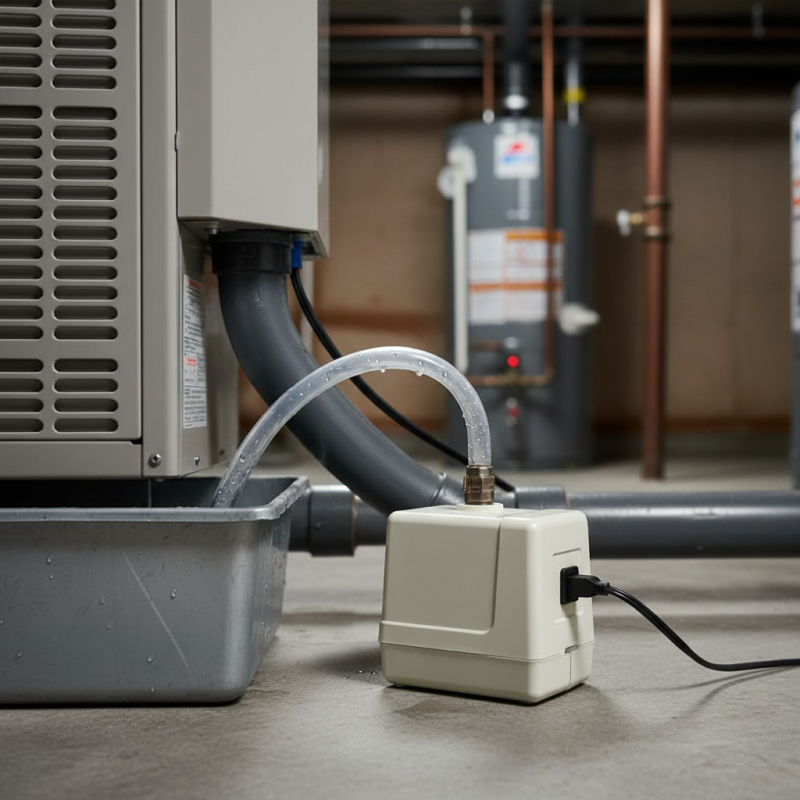
A drain pan pump is a compact device designed to remove collected water. Often found in basements, attics, or under appliances, it prevents overflow. The pump works automatically. When water fills the drain pan to a certain level, the pump activates. This ensures the area stays dry.
These pumps are vital for protecting your property. If water accumulates, it can lead to serious damage. Mold growth and structural issues may occur over time. Regular maintenance is essential. Observe the pump's operation frequently. Listen for unusual sounds that might indicate problems.
Tips: Check the drain pan for debris often. A clean pan helps the pump function optimally. Ensure the discharge line is clear. If you notice any blockages, address them promptly. This practice boosts reliability. Having a backup option is also valuable. Consider installing a secondary pump for peace of mind.
What is a Drain Pan Pump and How Does it Work?
| Feature | Description |
| Function | To remove excess water from drainage pans to prevent overflow and water damage. |
| Components | Pump, float switch, inlet hose, outlet hose, and a power source. |
| Working Principle | The float switch activates the pump when water reaches a certain level, allowing the pump to drain the pan. |
| Common Applications | Used in HVAC systems, refrigeration units, and other appliances with drain pans. |
| Maintenance | Regular cleaning of the pump and checking the float switch are recommended for optimal performance. |
| Benefits | Prevents water damage, reduces humidity, and ensures efficient operation of appliances. |
The Purpose and Functionality of Drain Pan Pumps
Drain pan pumps play a crucial role in managing excess water in various settings. These devices are typically used in air conditioning systems, refrigerators, and other appliances where condensation occurs. Their primary function is to remove water that collects in drain pans, preventing overflow and potential water damage. With a reliable drain pan pump, you can avoid costly repairs and ensure your equipment operates efficiently.
The operation of a drain pan pump is straightforward yet effective. It utilizes a float switch to detect water levels. When water reaches a certain height, the float activates the pump. This process efficiently removes water from the drain pan. Many pumps are designed to be compact and easy to install, making them accessible for both professionals and DIY enthusiasts. However, users should regularly check and maintain these pumps to avoid blockages or failures.
While drain pan pumps are generally reliable, they may not function perfectly all the time. For instance, clogging can occur due to debris. Users must remain vigilant to ensure the pump operates effectively. Some individuals may underestimate the importance of routine maintenance. Neglecting these checks can lead to potential issues down the line. Awareness of these factors can enhance the functionality and longevity of the pump.
How Drain Pan Pumps Operate Step by Step
A drain pan pump is designed to remove excess water from areas like HVAC systems or water heaters. It helps prevent flooding and damage by efficiently managing condensation. But how does it operate step by step?
When water accumulates in the drain pan, the pump's float switch is triggered. This switch senses the water level, signaling the pump to start. As the pump activates, it draws water through an intake pipe. This is an automatic process, yet it can be prone to failures. For instance, debris may clog the intake, leading to unexpected shutdowns. Regular maintenance can help prevent this.
Once the pump operates, it ejects water through a discharge pipe. Typically, this exits to a drainage system or a nearby location. The volume of water being pumped can vary. Sometimes, the pump isn’t powerful enough for large accumulations. Users may need to consider the pump's capacity during installation. Routine checks and monitoring of the pump's performance are essential, as the unexpected can happen.
Drain Pan Pump Efficiency Comparison
This chart illustrates the efficiency of different types of drain pan pumps based on their maximum flow rate (GPH) and power consumption (W) over a set period. It helps to visualize how each pump type performs in terms of energy efficiency.
Common Applications of Drain Pan Pumps in Various Industries
Drain pan pumps are essential in managing excess liquid in various industrial settings. They ensure that liquids do not accumulate, which can lead to damage or unsafe conditions. These pumps are particularly common in HVAC systems, manufacturing plants, and laboratories. For instance, a report from the American Society of Heating, Refrigerating and Air-Conditioning Engineers (ASHRAE) highlights that over 70% of HVAC-related issues stem from water damage. Proper management with drain pan pumps can significantly mitigate these risks.
In the automotive industry, drain pan pumps are used to handle fluid leaks. According to the U.S. Environmental Protection Agency (EPA), improper fluid disposal accounts for around 30% of automotive environmental violations. By utilizing drain pan pumps, manufacturers can recover spilled fluids efficiently. In laboratories, these pumps safeguard against chemical spills, protecting both the equipment and staff. Data suggests that a 10% increase in spill containment can reduce incident reports by 50%.
While these pumps play a crucial role, their efficiency can be hampered by maintenance issues. If not regularly serviced, debris can clog the systems. Also, selecting the right pump for specific needs is often overlooked. Some facilities may be unaware of the appropriate specifications, which can lead to inefficient operation. This underlines the importance of regular assessments and informed selections in drain pan pump applications.
Maintenance Tips for Ensuring Optimal Performance of Drain Pan Pumps
When it comes to maintaining a drain pan pump, regular inspections are essential. Check for any signs of leaks or rust. Even small problems can lead to bigger issues if left unattended. Condensation can accumulate, so ensure proper drainage away from the unit.
Tip 1: Clean the pump regularly. Dust and debris can clog the pump and affect its performance. Using a soft cloth to wipe down the exterior will help maintain its efficiency. Consider using mild soap for stubborn stains, but avoid harsh chemicals that can damage the pump.
Tip 2: Monitor the water level. If the pump frequently runs without water, it can overheat. Install a float switch to prevent dry running. This simple addition will prolong the pump's life and save on potential repairs.
Another common oversight is neglecting the power source. Make sure all electrical connections are secure. Loose wires can cause intermittent malfunctions. Consider checking connections every few months to avoid future headaches. Small maintenance steps can lead to significant improvements in performance and durability.