How to Use a Water Totalizer Effectively in Your Home?
A water totalizer can be a valuable tool in every household. It tracks water usage efficiently. By monitoring your water consumption, you can save money and conserve this precious resource. Many people find it challenging to understand how to use a water totalizer effectively.
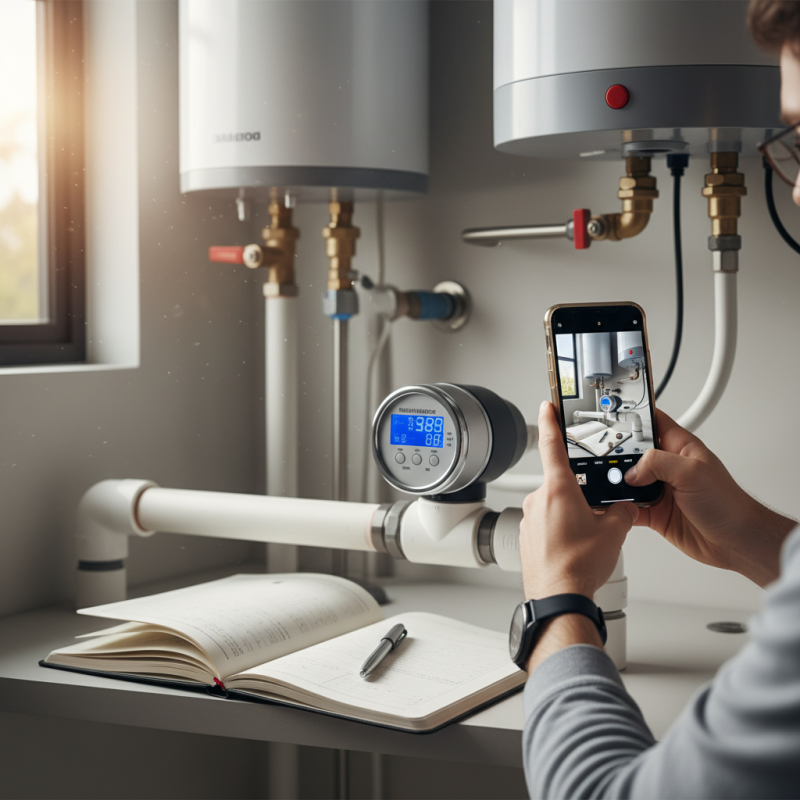
Install the device in an accessible area. Regularly check the readings to ensure accuracy. This practice helps identify leaks or unusual usage patterns. However, some may overlook the importance of regular maintenance. Neglect can lead to inaccurate readings over time.
A water totalizer simplifies management. Yet, it requires consistent engagement. Create a habit of recording data. This habit leads to better awareness of consumption patterns. Remember, small mistakes can lead to significant wastes. Reflect on your water use habits to improve efficiency.
Understanding the Basics of Water Totalizers in Residential Settings
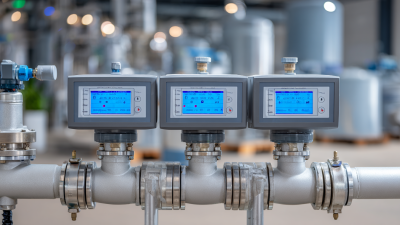
Water totalizers are essential for monitoring water usage in homes. They measure the total amount of water consumed. Understanding how they function can help in managing household water consumption effectively.
In residential settings, water totalizers provide clear data on usage patterns. They often display measurements in gallons or liters. Regular tracking can help identify leaks or unusually high consumption. This knowledge can lead to timely repairs or adjustments in daily habits.
However, many homeowners forget to check their totalizers regularly. This oversight can result in larger water bills and waste. Ensuring that family members are aware of the totalizer’s readings can foster collective responsibility. Small changes, like shorter showers, can save significant amounts of water each month.
Water Consumption in Residential Settings
Key Benefits of Installing a Water Totalizer in Your Home
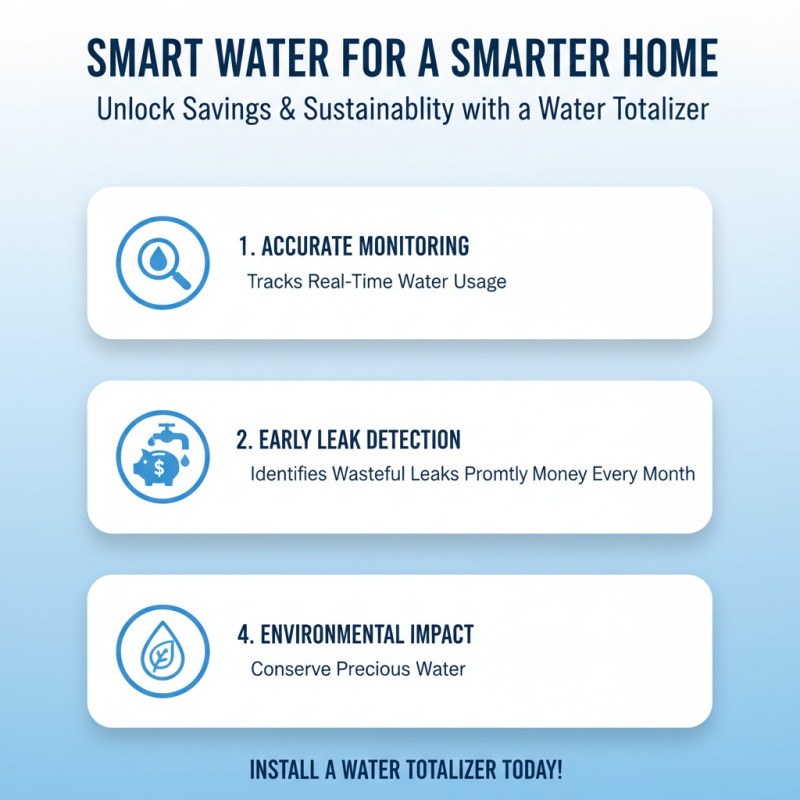
Installing a water totalizer in your home can bring many benefits. This device helps monitor water usage accurately. By knowing your consumption, you can identify leaks early. A small leak can waste gallons of water daily. This awareness can save you money on your water bill each month.
Another benefit is environmental impact. By tracking your water usage, you can reduce waste. This can lead to more sustainable living habits. You might find that small changes, like shorter showers, can make a difference. Reflecting on daily habits encourages mindful consumption. It's easy to overlook our usage, but a totalizer can change that perspective.
Lastly, a water totalizer can help with budgeting. Knowing how much water you use aids in planning expenses. You may discover habits that need adjustment. Fixing leaks or reducing excess use can lead to better financial decisions. The totalizer fosters accountability, helping you stay on track. This simple tool can transform your approach to water management.
Step-by-Step Guide to Selecting the Right Water Totalizer Model
Choosing the right water totalizer for your home can be challenging. Look for models that suit your needs. Consider your home's size and water usage patterns. This can prevent overuse or wastage.
Tips: Check flow rates. It should match your system’s capacity. Small homes may not need high capacity devices. Compare features and prices.
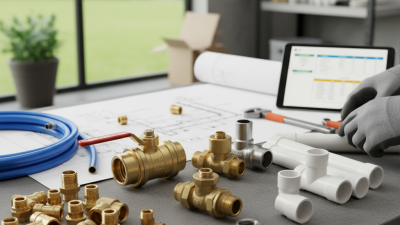
Installation is key. If you’re unsure, seek help. Incorrect setup can lead to inaccurate readings. Look for easy-to-follow instructions.
Tips: Some models are DIY-friendly. Others may require professional help. Think about future maintenance. You want an easy-to-read display.
Don't rush. Research various options. Reading reviews can be beneficial. Take time to weigh your choices. This decision can impact your water conservation efforts.
How to Use a Water Totalizer Effectively in Your Home? - Step-by-Step Guide to Selecting the Right Water Totalizer Model
| Model |
Flow Rate (GPM) |
Accuracy (%) |
Display Type |
Power Source |
Price (USD) |
| Digital Water Totalizer A |
2.0 |
±1.5 |
LCD |
Battery |
49.99 |
| Mechanical Water Totalizer B |
1.5 |
±2.0 |
Analog |
Manual |
29.99 |
| Smart Water Totalizer C |
2.5 |
±1.0 |
LED |
Rechargeable |
89.99 |
| Digital Water Totalizer D |
3.0 |
±1.5 |
LCD |
AC Adapter |
59.99 |
Best Practices for Monitoring Water Usage with Totalizers
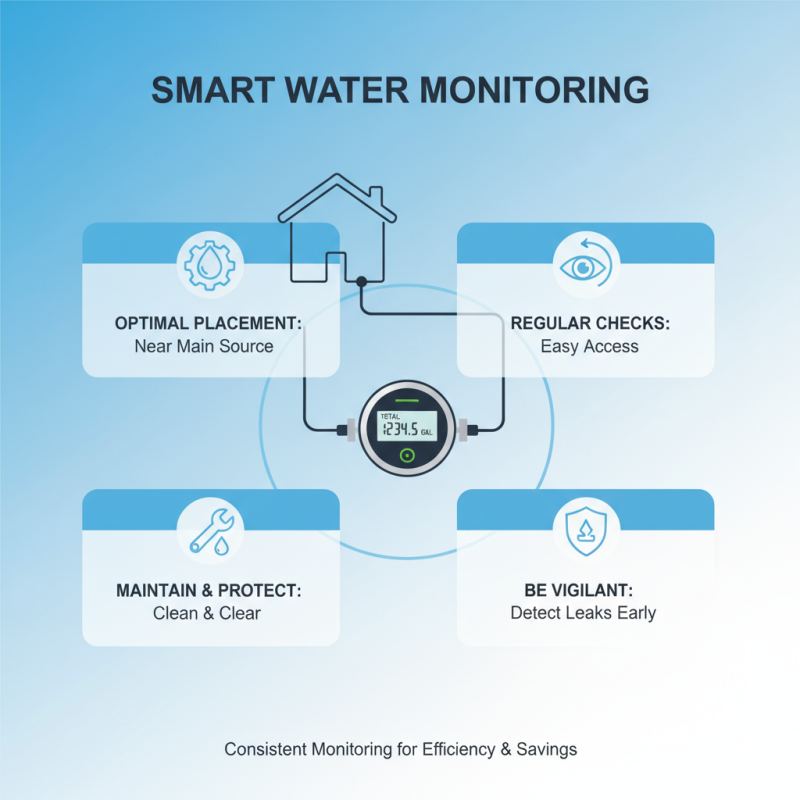
When using a water totalizer, understanding its features is crucial. Place the totalizer near your main water source for accurate readings. Make it easily accessible for regular checks. This way, you'll promote consistent monitoring of water usage. Be aware of potential issues, like leaks, that could skew the data. Always keep your totalizer clean and unobstructed. Dust and debris can affect its performance.
Regularly review the readings. Track changes over time to identify patterns. This information can reveal spikes in water consumption, possibly indicating leaks or inefficient appliances. Aim for a weekly check-in to stay informed. If readings don't align with your expectations, take a moment to reassess your usage and habits. Reflecting on these figures can guide you to conserve water effectively.
Consider maintaining a log of your findings. Writing down significant changes can illuminate underlying issues. Over time, this practice cultivates a deeper awareness and accountability for your water consumption. Observing where water is used most can empower you to make better choices. Each small adjustment contributes to more sustainable practices at home.
Interpreting Data from Your Water Totalizer for Efficient Management
When interpreting data from your water totalizer, focus on specific patterns. Tracking daily water usage can reveal surprising trends. For instance, a report from the Alliance for Water Efficiency indicates that households waste approximately 10-15% of their water. Recognizing peaks and unusual spikes can help in identifying leaks or inefficiencies. A sudden increase, perhaps due to a faulty toilet, may indicate a need for immediate action.
Understanding your average consumption is vital. Knowing that the average person uses about 80-100 gallons per day can help set realistic goals. However, many households exceed this average without realizing it. Regularly reviewing your water totalizer can expose excessive use, prompting discussions within the family. Simple modifications, like shorter showers or fixing drips, can lead to more efficient management. Remember, awareness often highlights areas for improvement.
Utilizing the data effectively invites reflection. Is your water bill unusually high? Review data trends before assumptions lead to frustration. Consider anomalies that disrupt norms. Analyzing these details encourages proactive measures towards water conservation. With a more informed approach, households can significantly reduce water waste and enhance sustainability efforts.