10 Essential Tips for Buying Cold Rolled Stainless Steel Coil?
When purchasing Cold Rolled Stainless Steel Coil, understanding the specifics is crucial. This material is known for its superior strength and superior surface finish. However, nuances exist that can affect your decision. Learning about grades, thicknesses, and tolerances will aid in making an informed choice.
Navigating the market can be daunting. Suppliers often tout their products, but not all coils meet the same standards. Checking certification is vital. This helps ensure that you receive a reliable product that suits your needs. Consider asking for sample coils. This can provide insight into the quality and performance of the stainless steel.
In addition, keep an eye on the market trends. Prices may fluctuate based on demand, which can affect your budget. Be prepared to adjust your purchasing strategy accordingly. Investing time in research will pay dividends. Ultimately, making an educated decision can lead to better quality and long-term satisfaction with your Cold Rolled Stainless Steel Coil.
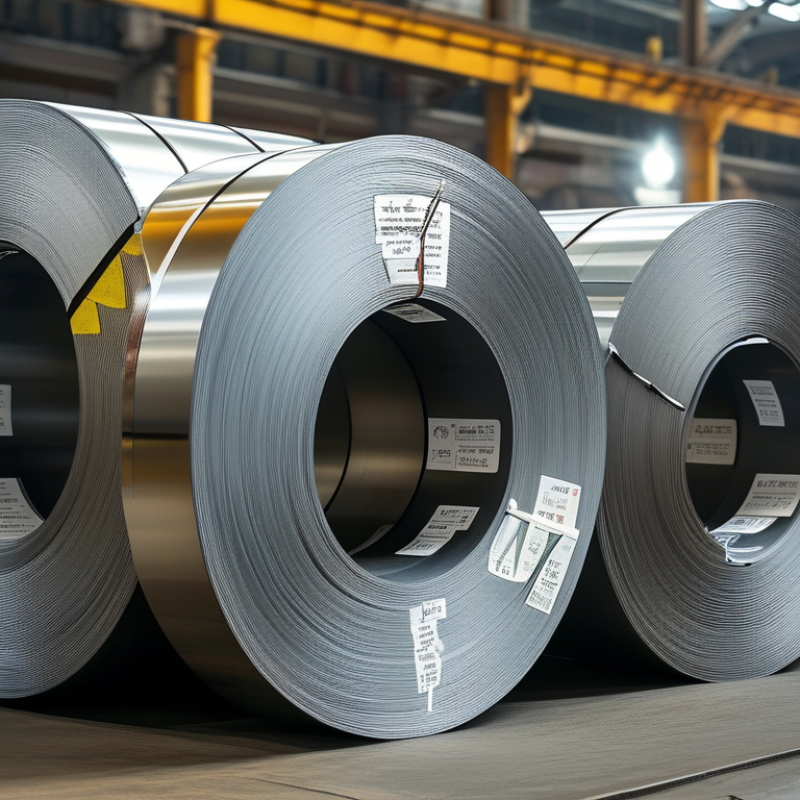
Understanding Cold Rolled Stainless Steel Coil and Its Applications
Cold rolled stainless steel coil is a versatile material commonly used in various industries. Its unique properties make it ideal for applications such as automotive parts, kitchen equipment, and architectural elements. Cold rolling enhances its strength and surface finish, making it smoother and more durable than hot-rolled alternatives. This process involves rolling at room temperature, which results in tighter tolerances and better surface quality.
When considering the use of cold rolled stainless steel coil, it’s essential to understand its applications. Industries benefit from its corrosion resistance and aesthetic appeal. However, the choice of grade and thickness can impact performance. For example, thinner coils may be more prone to warping during fabrication. A careful selection process is crucial to avoid potential setbacks in production. Many users overlook these details, leading to inefficiencies.
Examining the coil’s finish is equally important. Different finishes can affect adhesion and performance during welding. Some finishes may require additional treatment for optimal results. Overlooking this can lead to unexpected challenges during project implementation. Engaging with professionals who understand these nuances can significantly improve project outcomes.
Key Factors to Consider When Selecting Cold Rolled Stainless Steel Coil
When selecting cold rolled stainless steel coil, key factors come into play. First, consider the material grade. The right grade impacts strength, corrosion resistance, and durability. Common grades include 304 and 316. Each has unique characteristics, suitable for various applications.
Thickness and width also matter. Measure your required dimensions accurately. If they don’t fit standard sizes, custom orders may be necessary. This can lead to higher costs or longer wait times. Ensure your specifications are clear to avoid complications.
Pay attention to surface finish. A smooth finish often indicates better quality. It's not just aesthetic; it affects the coil’s ability to resist corrosion. Inspect samples if possible. Remember, even minor defects can lead to bigger issues down the line.
When you buy, focus on supplier reputation. A trusted supplier ensures quality and reliable delivery. Research reviews and request references to gauge credibility. This small step can save you from serious future problems.
Comparing Different Grades of Cold Rolled Stainless Steel for Your Needs
When selecting cold rolled stainless steel, understanding the different grades is crucial. Each grade offers unique properties, affecting performance and durability. A common variety is Type 304, known for its excellent corrosion resistance and formability. It’s a good choice for many applications, especially in food and kitchen equipment. Another noteworthy grade is Type 316, which contains molybdenum, enhancing its resistance to chloride corrosion. This makes it ideal for marine environments or any area exposed to saltwater.
However, these grades can come with a price difference. Higher grades may seem more reliable but can also lead to over-specification for certain projects. It’s essential to evaluate the specific conditions of your application before making a decision. Are you storing acidic products? Is this for construction in a coastal area? Even slight miscalculations can lead to costly replacements later on.
Testing materials with environmental factors in mind can save frustration down the line. Quality testing and honest assessment of needs lead to reliable choices. Balancing cost with performance is key in your buying journey.
Evaluating Suppliers: Quality Assurance and Certifications to Look For
When evaluating suppliers for cold rolled stainless steel coil, quality assurance is paramount. Look for certifications such as ISO 9001, which reflects a commitment to quality management systems. This certification indicates that the supplier adheres to rigorous standards. Suppliers without such certification may not guarantee consistent quality.
Moreover, inspect the materials provided by potential suppliers. Request samples to assess their product specifications. Pay attention to surface finish and dimensional accuracy. It's essential that the coils meet your project requirements. If a supplier cannot provide satisfactory samples, reconsider your options.
Reliability also comes from understanding the supplier’s history. Research their reputation in the industry. What do previous customers say? Reviews and testimonials can provide insights into their performance. Sometimes, even a minor delay can indicate deeper issues. Recognizing these patterns is crucial for a long-term partnership.
10 Essential Tips for Buying Cold Rolled Stainless Steel Coil - Evaluating Suppliers: Quality Assurance and Certifications to Look For
| Criteria | Details |
| Quality Certifications | ISO 9001, ISO 14001 |
| Material Test Reports | Tensile Strength, Elongation |
| Production Process | Cold Rolling, Annealing |
| Supplier Experience | 10+ Years in Industry |
| Customer Reviews | 4.5/5 Average Rating |
| Delivery Times | 2-4 Weeks for Standard Orders |
| After-Sales Support | 24/7 Support Available |
| Pricing Competitiveness | Market-competitive Rates |
| Return Policy | 30-Day Satisfaction Guarantee |
| Location of Manufacturing | Domestic vs. Overseas Options |
Cost Analysis: Budgeting for Cold Rolled Stainless Steel Coil Purchase
When budgeting for cold rolled stainless steel coil, start by assessing your exact needs. Understand the thickness and width required for your projects. The cost of a coil varies based on these specifications. Materials are key; higher grades or finishes can significantly affect pricing. Consider sourcing from reputable suppliers to ensure quality. But be wary—some may inflate prices based on market demand.
Research prevailing market rates to gauge if you’re being quoted fairly. Get multiple quotes to create a competitive landscape. It’s common to overlook shipping costs, but these can add up. Also, think about potential hidden fees like handling or customs charges. A small miscalculation here could sabotage your budget.
Don’t forget to factor in future needs. If you plan to scale, calculate for potential price fluctuations. Planning ahead can save you from unexpected costs later. Reflect on each step of your budgeting process and adjust as necessary. This flexibility can lead to better purchasing decisions.
Cost Analysis: Budgeting for Cold Rolled Stainless Steel Coil Purchase