Top Features of Compact Wheel Loaders You Need to Know?
Compact Wheel Loaders are revolutionizing the construction and landscaping industries. These versatile machines are compact yet powerful, making them ideal for various tasks. According to a recent market report by Research and Markets, the demand for Compact Wheel Loaders is projected to grow by over 5% annually through 2027. This growth highlights their significance in tight spaces, where traditional larger loaders struggle to operate.
These loaders are equipped with advanced technology, enhancing productivity and efficiency. Features such as quick attach systems and high digging forces are crucial for professionals seeking seamless operation. Moreover, a report from Grand View Research indicates that nearly 30% of construction projects now prefer Compact Wheel Loaders due to their maneuverability and reliability. However, some users find them lacking in power compared to larger models, which raises questions about their suitability for heavy-duty tasks.
Understanding the top features of Compact Wheel Loaders is essential for making informed decisions. While they excel in agility and ease of use, potential buyers should assess their specific needs. It is important to recognize the balance between size and capability. As the industry continues to evolve, the Compact Wheel Loader remains a key player in meeting diverse operational demands.
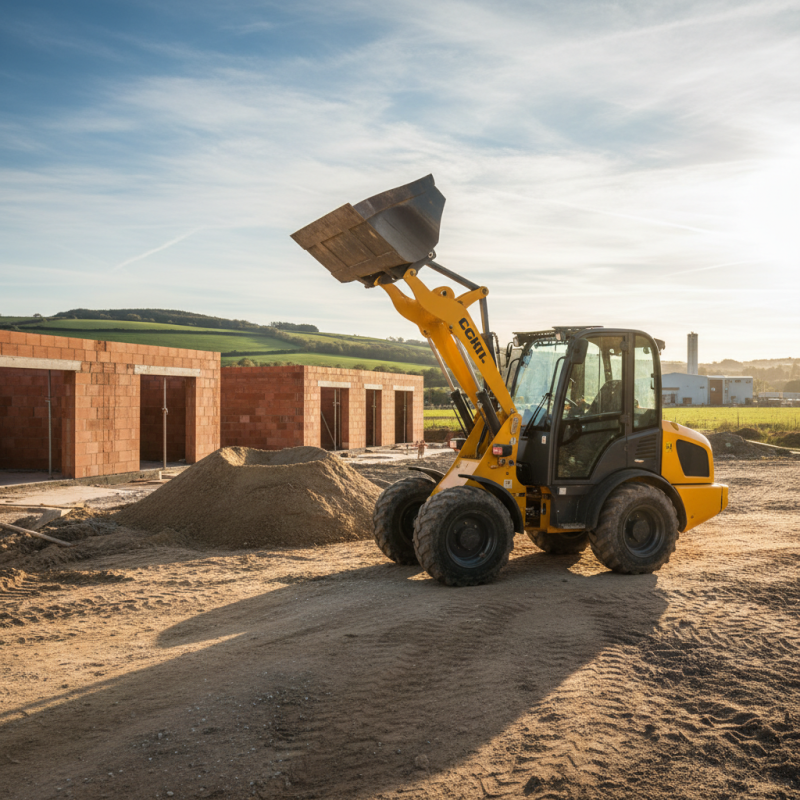
Key Characteristics of Compact Wheel Loaders
Compact wheel loaders are versatile machines designed for various tasks. They excel in tight spaces, making them perfect for urban construction. Their compact size doesn’t compromise power. Many models lift heavy loads effortlessly, enabling more efficient work.
One key characteristic is their maneuverability. These machines can navigate narrow pathways and crowded job sites easily. Operators appreciate the improved visibility they offer. However, not all models have the same steering capabilities. Some adjustments may be needed for optimal performance.
The versatility of attachments is another significant feature. Compact wheel loaders can switch between buckets, forks, or specialized tools. This adaptability supports a range of applications. Yet, understanding the compatibility of attachments is essential. Misalignments can lead to inefficiencies and may even cause damage. Learning to optimize these features enhances productivity in the long run.
Top Features of Compact Wheel Loaders You Need to Know
| Feature | Description | Benefits |
| Compact Size | Designed for maneuverability in tight spaces | Ideal for urban construction and landscaping |
| Versatility | Compatible with various attachments | Can handle multiple tasks from lifting to digging |
| Powerful Performance | High lifting capacity and torque | Efficient in heavy-duty operations |
| Operator Comfort | Ergonomic controls and spacious cab | Reduces operator fatigue during long hours |
| Fuel Efficiency | Engine designs focused on reducing consumption | Lower operational costs over time |
| Advanced Technology | Equipped with digital displays and smart controls | Enhanced operational efficiency and monitoring |
Benefits of Using Compact Wheel Loaders in Various Industries
Compact wheel loaders are increasingly popular across various industries due to their versatility and efficiency. They can easily maneuver tight spaces, making them ideal for urban construction sites and landscaping projects. According to a recent report by the Association of Equipment Manufacturers (AEM), the demand for compact wheel loaders increased by 25% last year. This trend reflects their growing importance in fields like agriculture, construction, and materials handling.
In agriculture, these machines excel in tasks like loading and transporting feed. Their ability to operate in challenging terrain improves productivity. Additionally, in construction, compact wheel loaders save time and labor costs. They can quickly load materials, reducing overall project timelines. A study by the National Council of Examiners for Engineering and Surveying (NCEES) shows that sites using compact loaders experienced a 15% increase in efficiency.
The adaptability of compact wheel loaders is noteworthy. However, some operators may struggle with their maintenance. Regular checks are crucial to avoid downtime. As the industry evolves, it becomes necessary for users to invest time in training and upkeep. This ensures optimal performance and longevity of the equipment. Balancing costs while enhancing capabilities can pose challenges, but the benefits are substantial.
Top Features of Compact Wheel Loaders
This chart illustrates the benefits of using compact wheel loaders across various industries, highlighting key features that enhance productivity and efficiency.
Comparison of Compact Wheel Loaders with Traditional Loaders
When comparing compact wheel loaders with traditional loaders, several differences stand out. Compact wheel loaders are smaller and more versatile. They excel in tight spaces where traditional loaders struggle. Their agility allows for quick maneuvering, which is a significant advantage on crowded job sites.
However, compact loaders come with limitations. They often have less lifting capacity and limited power. This can be frustrating when tackling heavier loads. Traditional loaders are more powerful and suited for larger-scale tasks. They can handle rough terrain better, which is crucial for heavy-duty applications.
Another aspect to consider is operator comfort. Compact models tend to have more ergonomic designs, making extended use more manageable. Nonetheless, some users find that the reduced cab space can be stifling. Proper training can mitigate these issues, ensuring operators make the most of their equipment, whether it's compact or traditional.
Essential Attachments for Enhanced Performance of Compact Wheel Loaders
Compact wheel loaders are essential in various industries. Their versatility is enhanced by the right attachments. For instance, a study indicated that 75% of operators value attachments that increase productivity. Buckets, forks, and grapples can significantly extend a loader's functionality.
Buckets come in different sizes and designs. A standard bucket is great for general use. However, when dealing with landscaping or compacting, a specialized bucket makes all the difference. In some cases, the wrong attachment may lead to inefficiency. An operator could find themselves lagging behind schedules.
Forks are another vital attachment. They transform a wheel loader into a material handler. However, ensuring the proper fork size is crucial. Incorrect sizes can lead to safety issues and potential damage to materials. Research shows that improper attachment selection can reduce operational efficiency by up to 30%. Grapples, useful for handling debris, also require careful consideration. The balance between load weight and reach must be evaluated. Each attachment contributes differently to overall performance.
Safety Features and Considerations in Compact Wheel Loaders
Compact wheel loaders are increasingly popular in various industries. However, safety should always be a priority. These machines can be dangerous if proper precautions aren't taken. Visibility is crucial. Many loaders come with better cab designs, which enhance operator sightlines. A good view reduces the risk of accidents.
Another vital safety feature is the stability control system. This system monitors the machine's load and can prevent tipping. However, operators often overlook load limits. It's essential to be mindful of the equipment's capacity. Overloading can lead to severe accidents.
Safety is also about training. Operators must understand their machines thoroughly. Regular safety drills can reinforce proper handling techniques. Yet, many businesses skip this step. This can lead to mistakes in the field. Investing in safety training is not just prudent; it's necessary for outcomes. The combination of features and training can significantly enhance safety for compact wheel loaders. It's worth reflecting on how we approach these aspects.