What is a Grooved Fitting and How is it Used in Piping Systems?
Grooved fittings are essential components in modern piping systems. They play a vital role in connecting pipes efficiently. According to a report by the International Association of Plumbing and Mechanical Officials, the demand for grooved fittings is projected to grow by 7% annually. This growth reflects their increasing popularity in various industries, including construction and manufacturing.
These fittings are appreciated for their ease of installation and maintenance. They offer a reliable sealing method, reducing the risk of leaks. However, there's a downside; improper installation can lead to system failures. In a recent analysis, 15% of installations using grooved fittings reported issues due to poor workmanship. This highlights the importance of skilled labor in ensuring effectiveness.
In conclusion, while grooved fittings enhance piping system performance, awareness of potential pitfalls is critical. Proper training and adherence to best practices are necessary for maximizing their benefits. As the industry evolves, ongoing education will be vital to maintain standards and avoid complications.
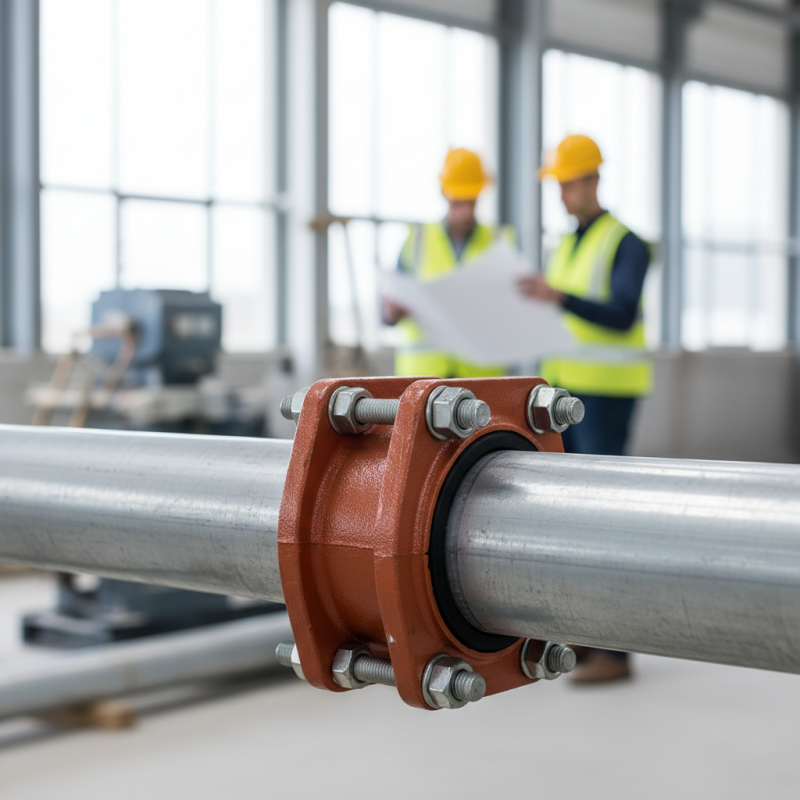
Definition and Overview of Grooved Fittings in Piping Systems
Grooved fittings are a vital component in modern piping systems. These fittings simplify the assembly and disassembly of piping connections. They consist of a groove that allows a pipe to join with a fitting easily. The design promotes quick installation and maintenance. This can save time and reduce labor costs.
When using grooved fittings, ensure a proper fit. Improper installation can lead to leaks and system failures. Regular checks are necessary. Pay attention to the condition of the O-ring sealing. It may wear out over time, so replacing it can prevent issues.
Tip: Always clean the groove before installation. This prevents debris from affecting the seal. Choosing the right size is crucial. An ill-fitting groove can compromise the entire system. Checking alignment during installation is also important. Misalignment can cause stress on the pipes, leading to potential failures down the line.
Types of Grooved Fittings and Their Specific Applications
Grooved fittings are essential components in piping systems. They create secure connections between pipes using a simple groove and clamp mechanism. These fittings come in various types, each serving distinct purposes. Understanding these types can enhance system efficiency and reliability.
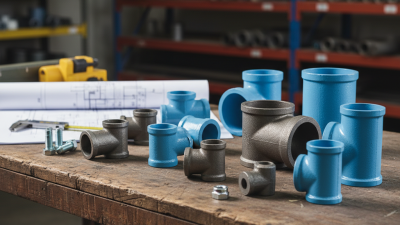
Common types of grooved fittings include elbows, tees, and reducers. Elbow fittings change the direction of the pipe. They come in different angles, like 45 or 90 degrees. Tees allow branching off to another pipe. They’re crucial for distributing flow in multiple directions. Reducers facilitate changing pipe diameters, accommodating different system sizes. Each type has a specific application, and choosing the right one is vital.
While using grooved fittings, attention to detail matters. Ensure correct sizing and alignment. Improper fitting can lead to leaks. That could compromise the system's overall integrity. Regular inspections are important. They help identify wear and tear on the fittings. This approach ensures reliable and efficient piping systems over time.
What is a Grooved Fitting and How is it Used in Piping Systems? - Types of Grooved Fittings and Their Specific Applications
| Type of Grooved Fitting |
Description |
Common Applications |
| Coupling |
Used to connect two pipes together |
Water supply systems, HVAC systems |
| Elbow |
Allows for a change in direction of the piping |
High-pressure systems, industrial applications |
| Tee |
Used to create a branch in the piping |
Fire protection systems, plumbing |
| Cap |
Seals the end of a pipe |
Gas and fluid transport systems |
| Reducer |
Joins pipes of different diameters |
Chemical processing, HVAC |
Installation Process of Grooved Fittings in Piping Networks
Grooved fittings are crucial components in piping systems. Their installation requires precision and understanding of the surrounding infrastructure. When installing these fittings, the surfaces must be clean and free of debris. Poorly prepared surfaces can lead to leaks and failures. According to recent industry reports, a staggering 30% of pipe failures are linked to improper installations.
The installation process generally begins with cutting the pipe to the required length. Measurements must be accurate. After cutting, the pipe ends are grooved using specialized tools. This grooving creates a secure space for the fitting. Next, the fitting is placed over the grooved section. It’s essential to ensure the fitting aligns properly. Misalignment, even by a small margin, can impact system performance.
After placing the fitting, it’s secured using a series of bolts. Torque specifications must be followed meticulously. Skipping or rushing this step can lead to weak joints. Data shows that 20% of system leaks occur at improperly torqued connections. Regular inspections post-installation can help identify potential issues early. Monitoring helps in maintaining integrity over the system’s lifecycle.
Usage of Grooved Fittings in Piping Systems
Advantages of Using Grooved Fittings in Various Industries
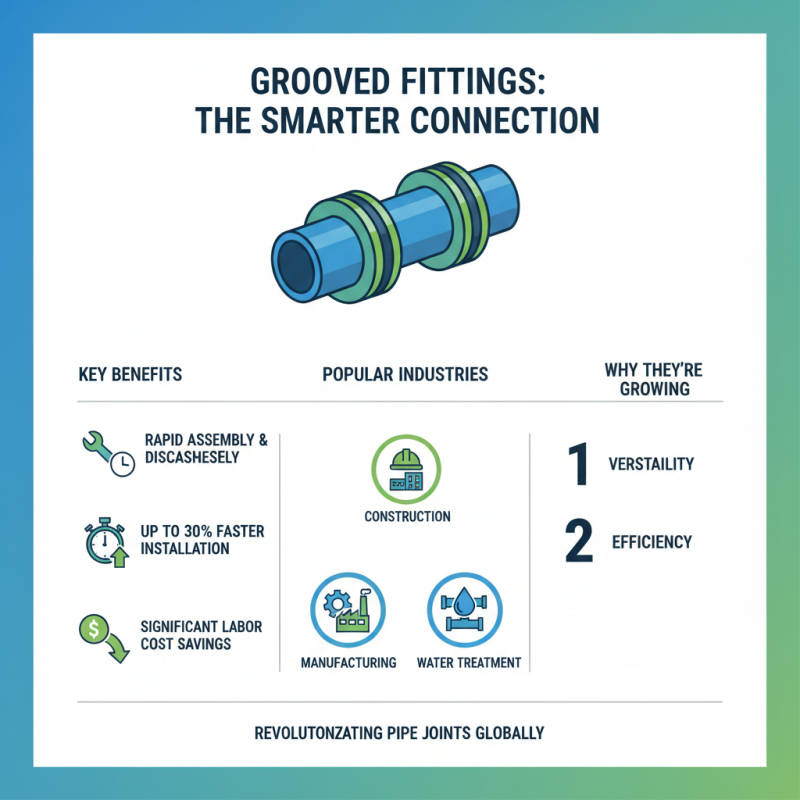
Grooved fittings are increasingly popular in various industries. Their design allows for quick assembly and disassembly. This feature is particularly beneficial in sectors such as construction, manufacturing, and water treatment. According to industry research, grooved fittings can reduce installation time by up to 30%. This efficiency can lead to significant labor cost savings.
The flexibility of grooved fittings accommodates a range of materials, including steel and plastic. This versatility is vital for modern piping systems. In chemical processing, the ability to adapt to different environments is crucial. For instance, some facilities reported reduced leak incidents by over 40% after switching to grooved fittings. However, improper usage can lead to challenges. Incorrect installation often results in system failures, highlighting the need for proper training.
Furthermore, grooved fittings provide excellent seismic performance in earthquake-prone areas. This characteristic is essential for safety in critical infrastructure projects. Yet, the market still sees hesitance from companies unfamiliar with the technology. Risk assessments often overlook grooved systems, which could be a missed opportunity. Adopting new technologies involves a learning curve, but the benefits can outweigh the initial reluctance.
Maintenance Tips for Grooved Fittings and Piping Systems
Grooved fittings are commonly used in piping systems for their ease of installation and maintenance. However, like all components, they require regular inspection to ensure efficient operation. Maintenance tips can help prolong the lifespan of both the fittings and the overall piping system. According to industry research, system downtime often results from neglecting routine checks.
Regularly inspect grooved fittings for corrosion or wear. Ensure that all components are properly aligned, as misalignment can lead to leaks. Keep the fittings clean and free of debris to promote optimal flow. A simple visual check can sometimes reveal potential issues before they escalate.
In addition to visual inspections, consider using a torque wrench. Proper tightening of bolts is essential. Over-torquing can lead to damage, while under-torquing may result in leaks. Industry reports suggest that maintaining the correct torque can reduce leaks by up to 30%. For optimal performance, develop a maintenance schedule and adhere to it. Sometimes, forgetting to follow guidelines can be costly.