How to Choose the Best Carpet Cutter in 2026?
Choosing a Carpet Cutter in 2026 means balancing cutting accuracy, comfort, and control. The right tool should follow a straightedge cleanly without crushing pile or pulling backing. It should also feel steady during repeated cuts. Small details matter.
Grand View Research estimated the global carpet and rugs market at USD 51.7 billion in 2023. Its report projected 4.7% annual growth from 2024 to 2030. This figure describes market value, not cutter performance. Still, it points to a large field of materials and installation needs. A cutter suited to thin carpet tiles may struggle with dense, thick pile. The tool’s blade system, grip, visibility, and cutting depth deserve close attention.
This guide compares those features for common jobs, from trimming a doorway edge to cutting broadloom beside a wall. It also considers blade replacement, handling fatigue, and safe storage. A tidy specification sheet can still mislead. Test a tool on an offcut when possible, and check the maker’s guidance for compatible materials. Think about the room, too: a cramped corner may reward a compact cutter, while long seams call for consistent tracking. There is no perfect model for every installer. The best choice is the one that suits the material, the cut, and the person holding it.
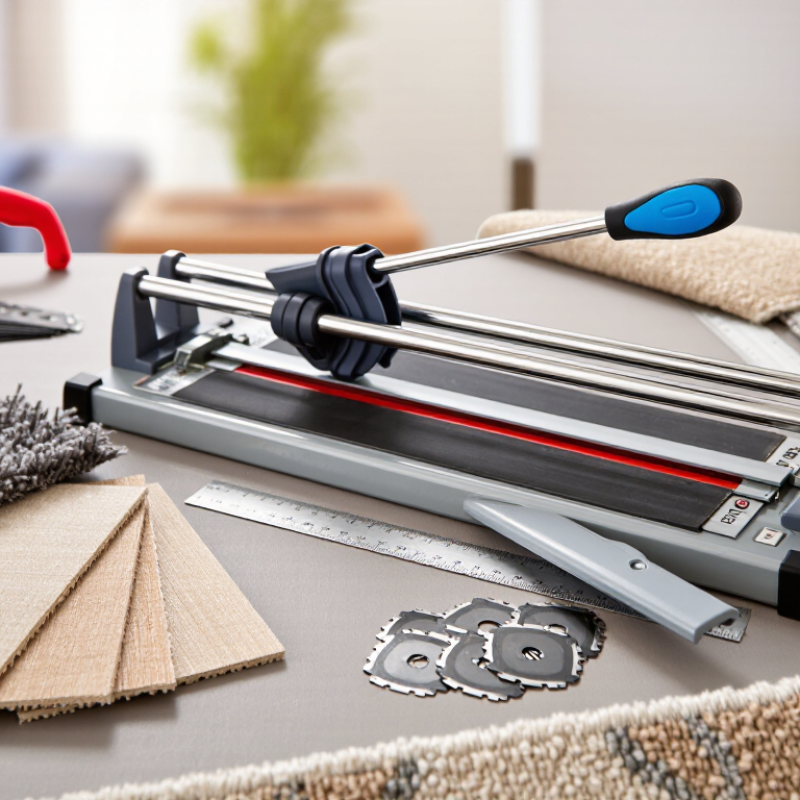
Identify Your Carpet Type, Cutting Tasks, and Project Scale
How to Choose the Best Carpet Cutter in 2026?
Identify Your Carpet Type, Cutting Tasks, and Project Scale
Start with the carpet itself. Low-pile carpet usually needs a sharp utility-style cutter for straight, controlled cuts. Dense or loop-pile carpet can snag if the blade catches a loop, so cut from the backing when the material allows. Check the carpet’s construction and test on an offcut before working near a visible edge. I’ve learned that a tool that feels fine on a sample can behave differently on a thick, stretched carpet.
Match the cutter to the job. For trimming an edge against a wall, a compact cutter offers better control in tight spaces. For long replacement strips, a wider handle may feel steadier and reduce hand fatigue. Stair work often calls for careful short cuts rather than speed. Consider blade changes, grip comfort, and how easily you can see your cutting line. A larger project may justify a cutter with a secure blade lock and comfortable handling, but extra features do not guarantee cleaner results.
Tips: Mark the cut with chalk, use a straightedge, and keep the blade shallow. Cut away from your body. Small detail. It matters. Replace a dull blade; forcing it can fray fibers or pull the carpet off line. Dispose of used blades safely, and keep a spare nearby so you are not tempted to press harder midway through a cut.
Compare Carpet Cutter Designs and Blade Options
Carpet cutter designs differ in control, reach, and how easily they handle thick backing. A fixed-blade knife feels steady for long, straight cuts, but it offers less protection when set down. Retractable models let you hide the blade between cuts. They suit trim work around doorways, though a loose slider can feel unreliable. Check that the handle fits your hand and keeps your fingers clear of the cutting path. Small details matter.
Blade shape should match the carpet. A straight utility blade works well for clean cuts through many low-pile carpets and backing materials. Hook blades can help slice carpet from the underside while reducing the chance of catching the visible fibers. For dense or looped carpet, use a fresh, sharp blade and test a small offcut first. Dull edges need more pressure and may wander. That is easy to overlook. I would not assume one blade suits every room; carpet construction varies, and even a careful test cut can surprise you. Replace blades when they drag, rather than forcing the cut, and keep spare blades stored safely.
Evaluate Cutting Precision, Grip, Safety, and Durability
Choosing a carpet cutter starts with the cut it can make, not the features printed on its packaging. Check whether the blade tracks cleanly through a carpet offcut without snagging fibres or drifting from a straightedge. A sharp, securely seated blade matters more than a complicated adjustment system. Small test cuts reveal a lot. Look for a clear blade-depth control, especially when trimming near a hard floor or delicate backing. Too much exposed blade can cause rough edges and damage the surface beneath.
Grip affects both control and comfort. Hold the cutter as you would during a long trimming pass; the handle should feel steady without forcing your fingers into a tight pinch. Textured surfaces can help when hands are dusty, but deep grooves may collect debris. I find it tempting to judge a tool by its weight alone. That can be misleading. A heavier cutter may feel stable, yet become tiring across a large room.
Safety and durability deserve the same close inspection. A locking mechanism should keep the blade from shifting, and a retractable design can make storage less risky. Check that the blade changes without awkward handling, and inspect the body for loose joints or thin plastic around stress points. A metal frame may last longer, but good construction matters more than material alone. No cutter stays sharp forever; replacement blades and careful storage are part of the decision, too.
Match Cutter Features to Your Budget and Work Environment
Choosing the best carpet cutter in 2026 starts with the work, not the feature list. Measure how often you cut carpet, how thick it is, and whether the job involves straight room edges or detailed fitting around stairs and doorways. A compact knife with replaceable blades may suit occasional home repairs. A heavier cutter can feel steadier during repeated cuts, but its extra weight may tire your hand over a long shift.
Your work environment matters just as much. In a small room, a short, easy-to-control tool can be more useful than a wide cutter that needs space to move. For dense carpet or frequent installations, look for a comfortable grip, secure blade adjustment, and replacement blades that are easy to find. Keep the full cost in view. A low purchase price can become less attractive if blades wear quickly or the tool is awkward to maintain. Small details matter.
Think about safety and storage, too. A retractable blade or protective cover can help when tools travel between jobs. Test the cutter on an offcut before committing to a full seam; carpet backing can behave differently from the surface pile. There is no perfect match for every workspace, and buying the most expensive option is not always sensible. I would still leave room in the budget for spare blades, because that cost is easy to overlook.
Check Blade Availability, Maintenance Needs, and Warranty
When choosing a carpet cutter, check whether replacement blades are easy to buy locally and online. A tool that takes an uncommon blade can sit idle during a busy installation. Compare blade shape, thickness, and pack size with the cutter’s manual. Ask how often blades need changing on dense carpet or long cuts. They dull faster than many shoppers expect. A quick test on scrap carpet helps reveal rough edges or dragging.
Maintenance matters, too. Look for a cutter that opens without a struggle and lets you clear fibers from its blade channel. Check whether screws, guards, or adjustment parts are replaceable. The U.S. Bureau of Labor Statistics reported 2.6 million nonfatal workplace injuries and illnesses in private industry for 2023. This broad figure is not specific to carpet cutting, but it underscores why safe handling and a sharp, controlled blade deserve attention. Read the warranty closely: wear parts may be excluded, and coverage may require proof of purchase. A long warranty sounds reassuring. The exclusions matter more. Keep the manual and receipt together, and inspect the blade lock before each job. Even careful buyers can overlook that small detail.