
How to Choose the Right Tarpaulin Sheets?

Choosing the right Tarpaulin Sheets is rarely a simple matter of picking the thickest fabric. The correct choice depends on weather, load, handling, and expected service life. A sheet covering firewood needs different protection from one shielding scaffolding or agricultural equipment. Field experience shows that small mistakes matter. A loose eyelet can tear during a windy night.

Market studies from Grand View Research and Fortune Business Insights identify construction, agriculture, transport, and outdoor storage as major demand sectors. However, their market boundaries and forecasts differ. That difference deserves attention before trusting any single percentage. Reports from the Freedonia Group also connect coated fabrics with infrastructure maintenance and industrial protection. These findings support a practical conclusion: purchasing decisions should follow the application, not advertising language.

Start by checking fabric type, coating, thickness, weight, and waterproofing method. Polyethylene Tarpaulin Sheets are lightweight and economical for general outdoor coverage. PVC-coated options usually provide stronger abrasion resistance and longer exposure performance. Polyester-reinforced products can remain stable around machinery, timber stacks, and temporary work areas. Look closely at the edges. Reinforced hems, corrosion-resistant grommets, and evenly spaced attachment points often determine real-world durability.

Consider wind, sunlight, standing water, and repeated folding. A waterproof sheet may still leak through damaged seams. A heavy sheet may also become difficult to install safely. There is no universal winner. Even reputable specifications can disappoint when conditions are misunderstood. A reliable selection process compares measurable performance with actual site experience, supplier documentation, and recognized testing standards. That balance helps buyers avoid premature replacement and choose protection that performs beyond the first season.
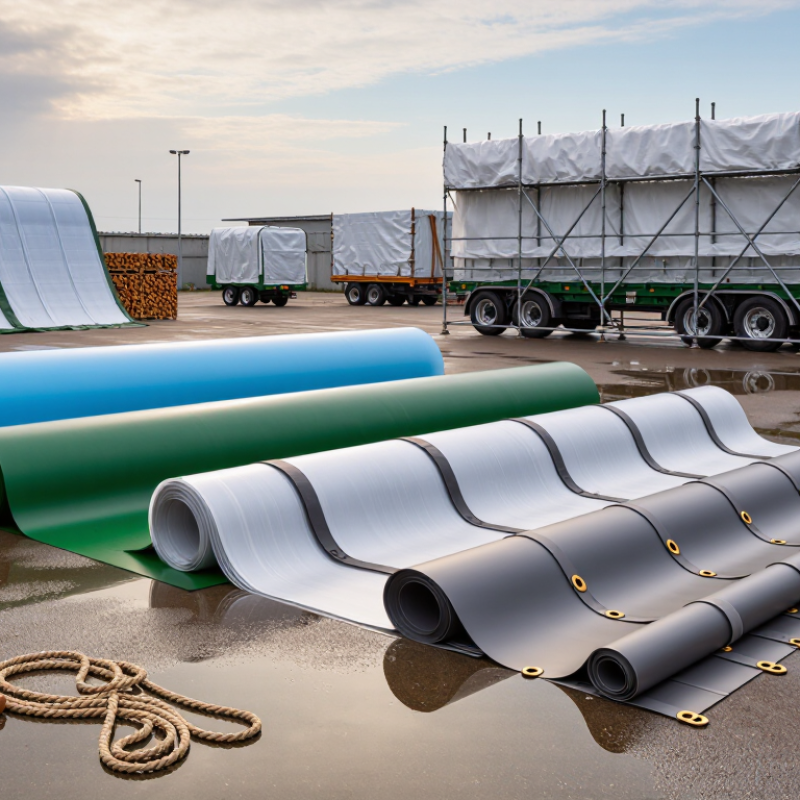
How to Choose the Right Tarpaulin Sheets?

What Are Tarpaulin Sheets and What Are They Used For?

How to Choose the Right Tarpaulin Sheets?

What Are Tarpaulin Sheets and What Are They Used For?

Tarpaulin sheets are flexible protective covers made from woven polyethylene, PVC-coated fabric, or canvas. They shield goods from rain, dust, sunlight, and wind. Common uses include covering trucks, timber, farm equipment, building materials, swimming pools, and temporary outdoor work areas. A sheet may look simple, but its structure matters.

Choose the material according to exposure. Polyethylene tarps are lightweight and practical for short-term weather protection. PVC-coated sheets usually resist abrasion better and suit repeated industrial use. Canvas allows more breathability, but it may absorb moisture without treatment. Check the GSM rating, because higher weight often means stronger fabric. It does not guarantee better performance.

Look closely at the edges. Reinforced hems and rust-resistant grommets reduce tearing when the sheet is tied down. UV resistance is important for roofs, vehicles, and stored machinery. PlasticsEurope reported global plastics production of 400.3 million tonnes in 2022, showing the scale of plastic-based materials behind everyday products. That figure also encourages a harder question: will this tarp be reused, repaired, or discarded too quickly? In practical checks, many failures start at weak corners, not the center. Measure the covered area carefully. Allow extra material for folds, tension, and runoff.


How to Choose the Right Tarpaulin Sheets?

Typical Tarpaulin Weight by Material

Tarpaulin sheets are flexible, protective covers made from woven or coated materials. Their weight helps indicate portability, tear resistance, and expected durability. Lightweight polyethylene is suitable for temporary covering, while heavier PVC and canvas options are better for demanding or repeated use.

The figures below show representative commercial specifications in grams per square metre (g/m²). Actual performance also depends on coating, weave density, waterproofing, UV treatment, and edge reinforcement.

Which Tarpaulin Material Best Matches Your Application?

How to Choose the Right Tarpaulin Sheets?

Which Tarpaulin Material Best Matches Your Application?

Material choice should follow the job, not a supplier’s strongest sales claim. Polyethylene tarpaulins are lightweight, waterproof, and practical for firewood, garden equipment, and temporary outdoor covers. They fold easily, but thin grades can tear around sharp corners. Add padding where edges rub.

PVC-coated tarpaulins suit demanding work. Their heavier fabric handles repeated handling, rain, and abrasion better than basic polyethylene. They work well for truck covers, construction partitions, and storage shelters. Check coating thickness and welded seams. A heavy sheet with weak eyelets is still a poor choice. I learned that the hard way on a windy site.

Canvas offers breathability and a softer feel. It can protect machinery from dust while reducing trapped condensation. However, untreated canvas absorbs water. Even treated canvas needs drying after exposure. That detail is easy to overlook. Mesh tarpaulins are different again. They block sunlight and reduce wind pressure, making them useful for shade screens and fencing. They are not suitable when complete waterproofing is required.

Before ordering, compare fabric weight, UV resistance, tear strength, temperature range, and eyelet spacing. Request a sample and bend it in cold conditions if winter use matters. Also inspect the backing and stitching, not only the surface. Specifications can sound precise, yet field performance may vary with installation. Allow extra material for tension and movement. This small allowance often prevents early failure.

How to Choose the Right Tarpaulin Size, Weight, and Thickness

How to Choose the Right Tarpaulin Size, Weight, and Thickness

Size should match the covered object, not just its visible surface. Measure the length, width, and height. Add at least 30 centimetres on each side for folding and tie-down points. A sheet that fits tightly can tear around sharp corners. A 3 × 4 metre sheet may cover a 2.4 × 3.4 metre load safely, depending on the edge design.

Weight and Thickness

Weight and thickness are related, but they are not identical. Lightweight sheets often range from 60 to 100 grams per square metre. They suit short-term garden or indoor protection. Medium sheets, around 120 to 180 grams per square metre, handle regular outdoor use better. Heavy-duty options may exceed 200 grams per square metre. Grand View Research’s 2024 market analysis indicates roughly 5% annual growth in the tarpaulin market, driven partly by construction and agriculture. That growth does not make every thick sheet suitable. ASTM D751 testing and ISO 811 water-resistance testing remain useful reference points.

Tips: Choose size first, then fabric weight. Check reinforced hems, eyelet spacing, and UV treatment. I once selected a heavy sheet for a small patio project. It sagged, trapped water, and became difficult to secure. The mistake was assuming heavier always means better. For windy areas, a slightly lighter sheet with closer eyelets may perform better. Recheck the measurements. Waste and stress usually begin there.

Which Features Improve Tarpaulin Durability and Weather Resistance?

How to Choose the Right Tarpaulin Sheets?

Which Features Improve Tarpaulin Durability and Weather Resistance?

A durable tarpaulin starts with the fabric structure. Woven polyethylene usually handles pulling, folding, and outdoor movement well. Higher fabric density can improve strength, but thickness alone is not enough. Check the coating, seam quality, and edge reinforcement together. A sheet with weak edges may fail first.

Weather resistance depends on more than waterproof wording. Look for heat-sealed seams that limit water entry during heavy rain. UV-resistant treatment helps reduce cracking and fading under direct sunlight. Rust-resistant eyelets are useful around fences, trucks, and storage frames. Reinforced corners also prevent tearing when ropes pull against the sheet. Small details matter.

I once saw a thick cover split near an eyelet after repeated windy nights. The central fabric remained sound. The problem was poor stress distribution. This experience changed how I assess tarpaulins. I now inspect grommet spacing, stitching, and corner patches before judging weight. Dark colors may absorb more heat, which can increase material stress in hot climates. Cold weather can make some coatings stiff and easier to crack. No sheet is perfect. Choose a size that leaves modest slack, secure it without excessive tension, and inspect it after storms. A quick inspection can reveal damage before the next weather event.

How to Compare Tarpaulin Quality, Maintenance, and Overall Value

How to Choose the Right Tarpaulin Sheets?

Tarpaulin value depends on service life, not purchase price. A 2024 industry market analysis projects the global tarpaulin market to grow at about 5.8% annually through 2030. That growth reflects demand for stronger, longer-lasting covers. However, market growth does not guarantee product quality.

Start with fabric construction.

Check GSM, tensile strength, tear resistance, and coating adhesion. ASTM D751 provides recognized test methods for coated fabrics. ISO 4892-3 helps assess resistance to accelerated UV exposure. A high GSM sheet may still fail if its seams are weak. Inspect reinforced corners, evenly spaced eyelets, and double-stitched hems. Small details matter. I once trusted weight alone and regretted it.

Maintenance changes the real cost.

Remove dust with clean water and a soft brush. Avoid harsh solvents, which can damage coatings and reduce flexibility. Dry the sheet completely before folding it. Trapped moisture can encourage mildew and weaken stitching. Store it away from direct sunlight, heat, and sharp edges.

The U.S. National Oceanic and Atmospheric Administration reports that UV exposure varies significantly by location and season. Outdoor storage therefore demands more frequent inspection.

A practical comparison uses cost per service month, not cost per sheet. A cheaper cover lasting six months may cost more than a durable cover lasting three years. Check it after storms. Look for brittle patches, stretched eyelets, and pinholes before they become larger failures.

Article Source:

Start WhatsApp Chat Start WhatsApp Chat
Valves

Valves

Water Meters

MS Forged Pipe Fittings

Fittings

Water Meters

Valves

DI Grooved Fittings (UL/FM)

Water Meters

DI Screwed Fittings (UL/FM)

Fittings

Composite Pipes & Fittings

Site Credits : Seigospace