What is the Importance of Pipes and Fittings in Construction and Plumbing?
In construction and plumbing, the role of pipes and fittings cannot be overstated. According to John Smith, a renowned expert in plumbing systems, “Without quality pipes and fittings, even the best designs will fail.” This highlights the importance of choosing the right materials to ensure reliability.
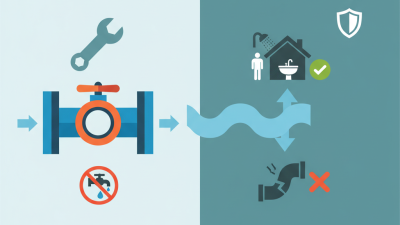
Pipes and fittings are integral for transporting water and other fluids. They connect different components of a system, creating a seamless flow. Poor choices can lead to leaks, inefficiencies, and ultimately costly repairs. Inadequate fittings may not withstand pressure, causing disruptions that could have been avoided.
Every contractor knows that durability matters. Yet, some may overlook the significance of proper installation. Time spent ensuring that pipes and fittings are connected correctly often saves more time in the long run. This emphasizes the need for skilled labor in construction and plumbing, as mistakes here can have severe consequences. The necessity for quality and attention to detail is a point that every professional should reflect upon to enhance their practice.
The Role of Pipes and Fittings in Construction Projects
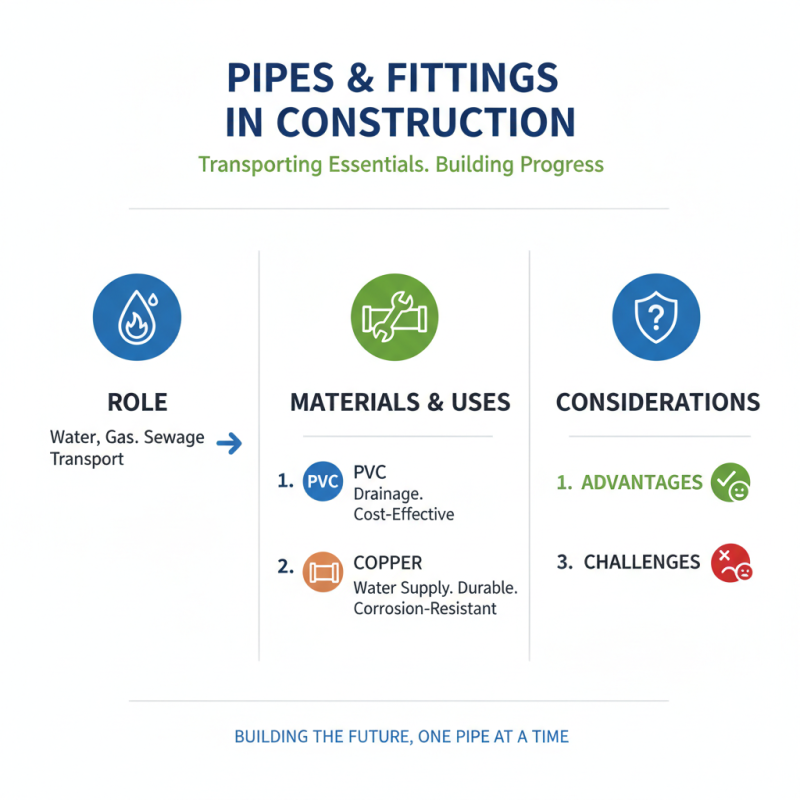
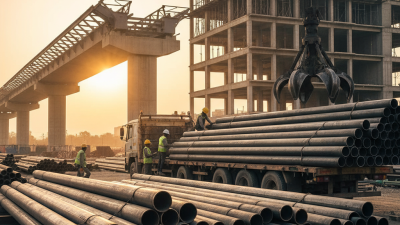
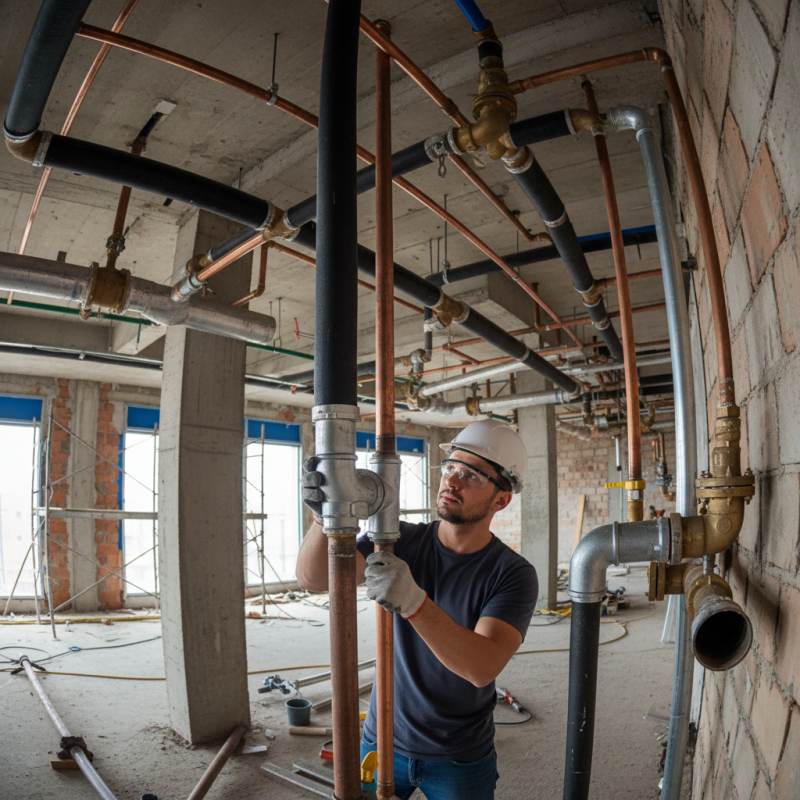
Pipes and fittings play a vital role in construction projects. They transport water, gas, and sewage. Different materials serve different purposes. PVC pipes are common for drainage. Copper pipes offer durability for water supply. Each material has its advantages and challenges.
During construction, workers must select the right fittings. Missteps can lead to leaks and costly repairs. Fittings must match the purpose of the pipes. For instance, connectors are needed for bends. Every detail matters in plumbing systems. A single wrong fitting can disrupt an entire project.
Inadequate planning may lead to future issues. Inspecting every joint is crucial. Sometimes, builders overlook the importance of regular maintenance. This neglect can result in bigger problems down the road. Investing time in quality pipework yields long-term benefits. Plumbing impacts daily life. It deserves careful consideration in every construction effort.
Types of Pipes and Their Applications in Plumbing
Pipes and fittings play a crucial role in plumbing systems. They transport water, gas, and waste. Many types exist, each tailored for specific applications. The most common are PVC, copper, and PEX. According to a report by the International Plumbing and Mechanical Officials (IPMO), over 60% of residential plumbing systems utilize PVC due to its affordability and ease of installation.
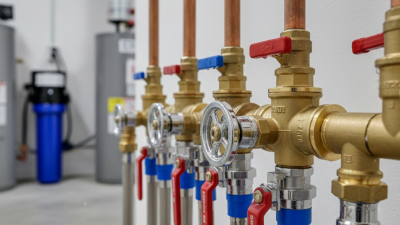
Copper pipes are favored for their durability and antibacterial properties. They are often used in water supply lines. However, copper prices have risen by over 40% in recent years, causing some contractors to reconsider their choices. PEX, on the other hand, is gaining popularity because it is flexible and easy to install. Its use has increased by more than 25% since 2015, according to a recent plumbing market analysis.
However, using the right type of pipe is not always straightforward. For instance, improper installation can lead to leaks or system failures. A survey by Plumbing Manufacturers International indicated that more than 25% of plumbing issues stem from incorrect pipe selection or fitting failures. This highlights the importance of proper training and expertise in plumbing installation. Understanding the specific application of each pipe type is crucial.
Importance of Pipes and Fittings in Construction and Plumbing
Essential Fittings and Their Functions in Pipeline Systems
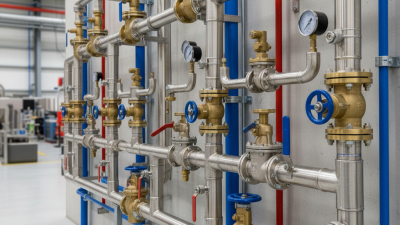
Pipes and fittings are crucial elements in any construction or plumbing project. They form the backbone of water supply systems and drainage solutions. Without these components, effective transportation of fluids would be impossible. Each fitting serves a specific function, ensuring the system operates smoothly.
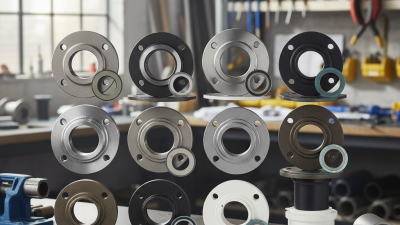
For instance, elbows are used to change the direction of the pipe. They might seem simple, yet they allow for flexible routing. Tees connect three pipes, enabling branch lines to be incorporated easily. This adaptability is essential in both residential and commercial buildings. However, choosing the wrong fitting can lead to leaks. That’s a costly mistake.
In addition to elbows and tees, couplings join two pipe sections. They provide continuity in plumbing systems. Yet, they can also create weak points if not installed correctly. Fittings like reducers allow different pipe sizes to connect. It's vital to understand how each fitting impacts flow and pressure. A minor oversight can lead to inefficiencies. Proper installation and material choice are crucial in ensuring durability.
Factors to Consider When Selecting Pipes and Fittings
When selecting pipes and fittings, the factors to consider are crucial. Material choice is primary. Common options include PVC, copper, and steel. Each material has its strengths and weaknesses.
PVC is lightweight and resistant to corrosion. However, it might not handle high temperatures well. Copper excels in durability but can be expensive. Steel offers strength but is prone to rust.
Size matters too. Proper sizing ensures efficient water flow and pressure. Undersized pipes can lead to clogs. Oversized ones waste resources. Always measure carefully. The environment also influences your choice. Outdoor installations need UV protection. Indoor plumbing may require different standards.
Tips for choosing wisely: consider the project demands. Do thorough research on local codes. Always check for compatibility between connections. Ensure they match your system requirements. Small mistakes can lead to leaks or failures later. Prioritize quality over cost. Quality fittings can save money in the long run.
Maintenance and Inspection of Pipes and Fittings for Longevity
Pipes and fittings are crucial in plumbing and construction. Their performance directly affects the efficiency of water supply and waste removal. Regular maintenance can prevent leaks, clogs, and other issues. Inspection is equally important to ensure everything is intact. Small cracks or rust can indicate bigger problems.
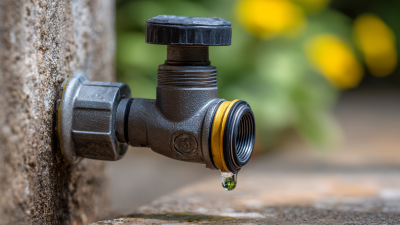
During maintenance, look for signs of wear. Check joints and connections for tightness. Regularly clean pipes to avoid buildup. It’s often easy to overlook this, but ignoring it can lead to costly repairs. A leak may seem minor, yet it can lead to significant damage in the long run.
An annual inspection should not be skipped. Hire a professional if necessary. They can identify hidden problems that you might miss. Even small details can lead to major failures. Pay attention to water pressure changes. This can indicate a larger issue. Don't wait for a crisis to address pipe conditions.