What is Muscovite Mica and How is it Used?
muscovite mica is a mineral with widespread applications. It belongs to the mica group and has unique properties. This mineral offers excellent electrical insulation, heat resistance, and chemical stability. These attributes make muscovite mica valuable in various industries.
According to a recent market report, the mica market is projected to grow by 5% annually. muscovite mica, in particular, plays a significant role in this growth. It is used in electronics, paints, cosmetics, and construction materials. The demand for muscovite mica in the electronics sector is on the rise, reflecting a push for advanced materials.
However, reliance on muscovite mica presents challenges. Sourcing it ethically is crucial, yet many mining practices raise environmental concerns. As industries expand, the need for sustainable practices grows. It is essential to balance demand with responsible sourcing to protect both the environment and local communities. Understanding muscovite mica provides insights into its potential and its pitfalls.
What is Muscovite Mica?
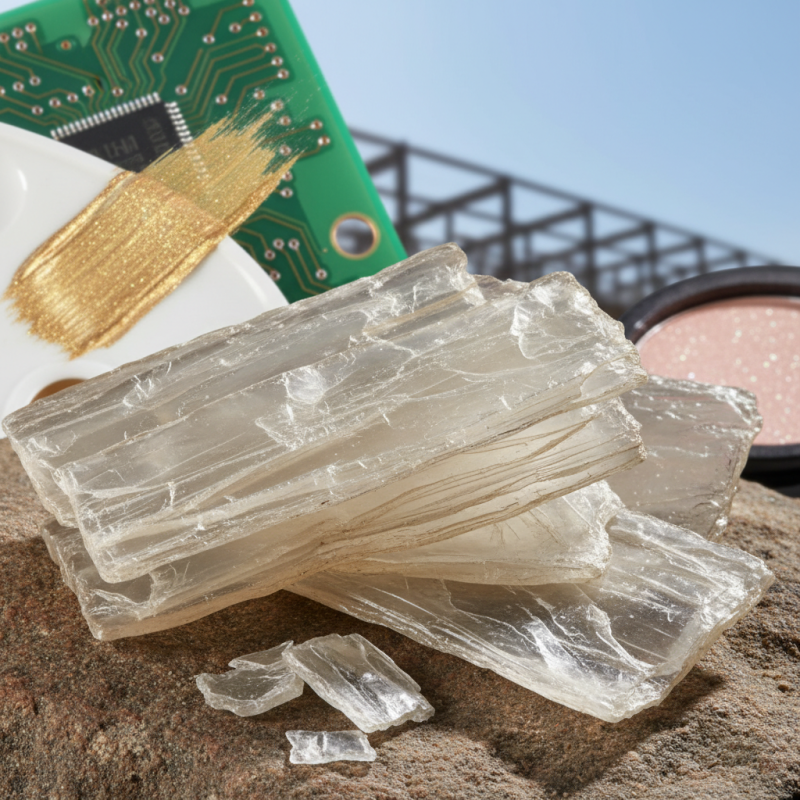
Muscovite mica is a type of silicate mineral. It is known for its perfect cleavage and ability to split into thin sheets. This natural mineral is primarily found in granite and pegmatite formations. Its chemical formula is KAl2(AlSi3O10)(OH)2. Muscovite is transparent to translucent, often displaying shades of grey, green, or brown.
The global mica market is essential to various industries, including electronics and cosmetics. According to a recent industry report, the mica market was valued at approximately $200 million in 2020. It is projected to grow significantly, driven by the increasing demand for mica in the electronics sector. Muscovite is used in electrical insulation and as a dielectric material.
In cosmetics, muscovite mica enhances the appearance of products. It adds shimmer and can be found in eyeshadows and highlighters. However, there are concerns regarding mica mining practices. Reports indicate that many mica sources rely on child labor. This raises ethical questions about sourcing. Awareness and responsible sourcing are vital for sustainable practices in the mica industry.
The Mineral Composition and Properties of Muscovite Mica
Muscovite mica is a fascinating mineral known for its unique properties. This silicate mineral primarily consists of potassium and aluminum. It exhibits a layered structure, which allows sheets to be peeled off easily. Muscovite is typically colorless or pale in color, but impurities can add hues. Its transparency and luster make it visually appealing.
One of Muscovite’s notable properties is its ability to withstand high temperatures. It is non-conductive and can resist electricity, making it useful in electrical insulations, such as in capacitors. Its thermal stability is also advantageous in many applications. The mineral excels in cosmetics and paints due to its reflective qualities.
However, the extraction and processing of Muscovite mica raise some concerns. The mining practices can lead to environmental damage. Often, the labor conditions in mines are poor, requiring more scrutiny. While Muscovite mica is valuable, we must remain aware of its impact. The challenge is to balance its usefulness with ethical considerations.
Common Applications of Muscovite Mica in Industry
Muscovite mica is a natural mineral that has numerous applications in various industries. Its unique properties, such as flexibility and heat resistance, make it an ideal choice in several fields. In the construction industry, muscovite mica is often used in insulating materials. This mica helps to enhance thermal stability and prevent heat loss. Some manufacturers incorporate it into cement and plaster mixes to reinforce strength.
In the cosmetics sector, muscovite mica plays a vital role. It adds shimmer and brightness to makeup products, including eyeshadows and highlighters. Many formulations benefit from its fine particle size. However, the sourcing of muscovite mica raises ethical concerns. Some mining practices can lead to environmental degradation. This aspect often prompts discussions about sustainability within the industry.
Muscovite mica is also utilized in electrical applications. It acts as an insulator in capacitors and other devices. Its ability to withstand high temperatures is crucial in these applications. Yet, there are challenges involved in its production, such as the need for responsible mining practices. The balancing act between industry needs and ethical considerations remains an ongoing conversation.
Muscovite Mica in Cosmetics and Personal Care Products
Muscovite mica is a natural mineral. It has unique properties that make it valuable in cosmetics and personal care products. This mineral is known for its shimmering quality, which adds an alluring glow to makeup items.
In personal care, muscovite mica is often used in powders and highlighters. These products benefit from its reflective nature. It can enhance the appearance of skin, giving it a radiant look. However, it's important to consider the sourcing of this mineral.
Sustainable practices are crucial.
Muscovite mica is not just a trend; it also raises awareness about ethical sourcing. Consumers should ask questions about where it comes from. Transparency in supply chains is essential.
This ensures that beauty can be both glamorous and responsible. Every choice has an impact.
Sourcing and Environmental Considerations of Muscovite Mica Mining
Muscovite mica is a naturally occurring mineral, known for its shiny appearance. It is mainly sourced from hard rock mining. The extraction process can pose environmental challenges. Deforestation and soil erosion are common issues. Local ecosystems often suffer when mining companies expand their operations.
The demand for muscovite mica is increasing, which raises questions about ethical sourcing. Miners may not always follow sustainable practices. Communities around mining sites can be affected, as economic pressures push for profit over environmental health.
Tips: Always ask about sourcing when purchasing products containing mica. Look for certifications indicating responsible mining. Support brands that prioritize ethical practices. Awareness is key to making positive changes in the industry. Understanding the impacts of mica mining is essential for informed choices.