What is a Pipe Valve and How Does It Work?
Pipe valves are essential components in various industrial systems. They regulate fluid flow, ensuring safety and efficiency. According to a recent report by the Global Valve Market, the pipe valve industry is expected to reach $85 billion by 2027. This growth reflects the increasing demand for reliable fluid management solutions across sectors.
Industry experts emphasize the importance of these components. John Smith, a leading engineer at Valves International, stated, "Understanding pipe valves is crucial for optimizing system performance." His insight underscores the need for professionals to know how pipe valves operate. These devices can make or break an operation.
However, despite advancements, challenges exist. Many industries still struggle with valve failures, leading to costly downtimes. Companies must invest in quality valves and training. Recognizing the right type and size of valve is not always straightforward. This complexity invites reflection on current practices in valve management.
What is a Pipe Valve? An Overview of Its Definition and Purpose
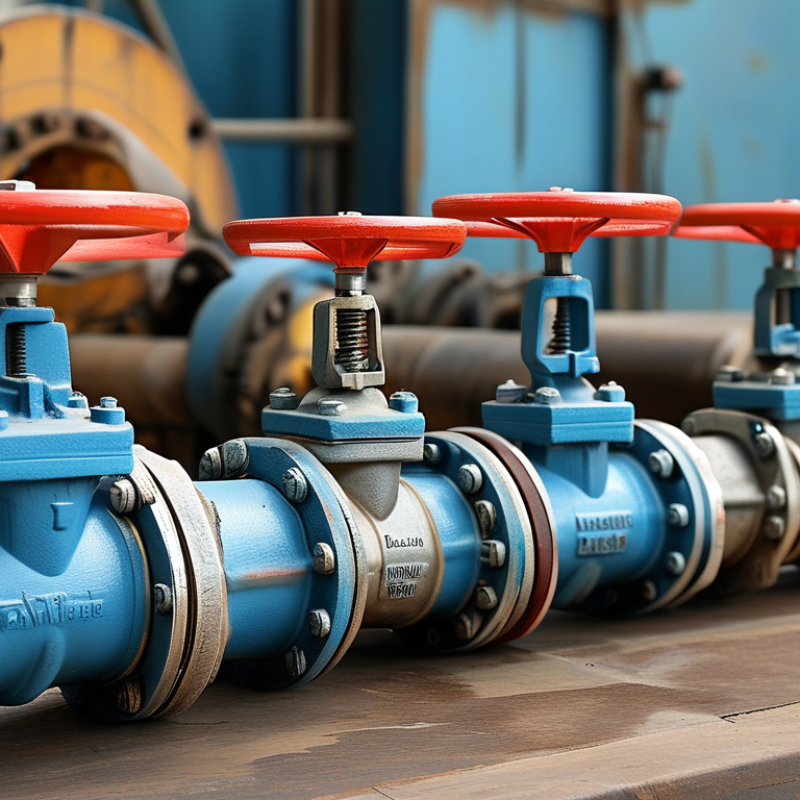
A pipe valve is a crucial component used in various industries, managing fluid and gas flow. Essentially, it serves as a control mechanism, allowing for the redirection, regulation, or complete stoppage of substances moving through pipes. In industrial applications, valves maintain the integrity of processes by preventing leaks and ensuring safe operations. According to recent data from the Global Market Insights report, the global valve market is projected to grow significantly, emphasizing the increased importance of these components.
In terms of its functionality, a pipe valve can be manually operated or automated. Manual valves require human intervention to adjust flow, while automated valves use sensors and controllers to operate efficiently. This automation trend is growing, as companies seek to enhance productivity and reduce the risk of human error. The report from Fortune Business Insights indicates that automation in valve operation could increase efficiency by as much as 30% in some sectors.
Tips: Regular maintenance of your pipe valves is vital. Schedule inspections to prevent unexpected failures. Understanding the specific requirements of your system can also lead to better valve choices.
Choosing the right valve for a specific application isn't always straightforward. Various factors, like pressure ratings, materials, and flow characteristics must be considered. Many professionals sometimes overlook these details, leading to underperformance. Awareness of the valve's function and the system's demands can enhance reliability.
Types of Pipe Valves: Exploring Common Variants and Their Uses
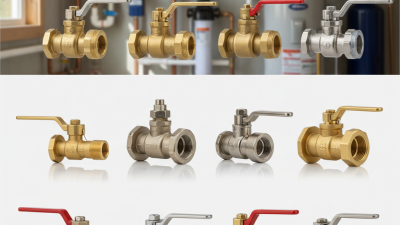
Pipe valves play a critical role in various industries by controlling fluid flow. Understanding the different types of pipe valves can enhance operational efficiency. Common types include gate valves, globe valves, ball valves, and check valves. Each serves a unique purpose tailored to specific applications. For instance, gate valves are ideal for on-off service, while globe valves provide better throttling capabilities due to their design.
In a recent industry report by MarketsandMarkets, the global valve market was projected to reach USD 100 billion by 2026. This growth highlights the increasing demand for reliable flow control solutions in sectors like oil and gas, water distribution, and chemical processing. Ball valves are popular, accounting for nearly 30% of the market share. Their quick shut-off functionality is essential in high-pressure environments.
However, not all valves perform equally well. Variations in manufacturing quality can lead to failures. Regular maintenance checks are necessary. The choice of material is also crucial. Corrosion-resistant options should be considered for harsh environments. Proper selection and understanding of these valves can prevent costly downtime and ensure safety.
Functionality of Pipe Valves: How They Control Fluid Flow
Pipe valves are crucial components in fluid systems, controlling the flow of liquids and gases. Their primary functionality is to start, stop, or regulate flow in piping systems. This regulation happens through various mechanisms depending on the valve type, such as gate, globe, or ball valves. Each type has specific applications, offering a blend of efficiency and precision.
Control of fluid flow involves more than just shutting off the passage. In many cases, valves require careful calibration. Misalignment can cause leaks or system failures, proving that expertise in installation is vital. For instance, a ball valve tightly seals the flow in one direction, while a globe valve allows for finer adjustments. Understanding these nuances is necessary for effective management of systems.
Moreover, the materials used in valve construction can significantly affect their performance. Corrosion resistance is essential for longevity, especially in harsh environments. Regular inspections reveal wear and tear that might go unnoticed initially. Recognizing these details helps in maintaining reliability. Inadequate attention to valve condition can lead to serious consequences, impacting overall system efficiency. The importance of regular maintenance and expert knowledge cannot be overstated.
Fluid Flow Control Analysis Using Pipe Valves
This bar chart illustrates the flow rates of various pipe valves. Each valve's performance is measured in liters per minute (L/min), showcasing how different valves control fluid flow effectively.
Materials and Design Considerations for Pipe Valves
When it comes to pipe valves, material selection and design play critical roles in their functionality and longevity. The industry reports highlight that over 20% of valve failures are attributed to improper material choices. Common materials include stainless steel, brass, and various plastics. Each comes with its strengths and weaknesses. For example, stainless steel is highly resistant to corrosion but may not perform well in extremely high temperatures.
Design considerations further impact performance. The valve design must accommodate the pipeline's pressure and flow characteristics. Research indicates that over 30% of engineers underestimate the importance of pressure ratings in their designs. Valves with insufficient pressure ratings can lead to leaks or catastrophic failures. Moreover, ergonomic designs can enhance maintenance efficiency, which is vital in preventing costly downtime.
Maintenance practices also reflect the materials and design choices. Valve manufacturers recommend regular inspections, especially for high-risk applications. Data shows that a proactive maintenance agenda can reduce unexpected failures by up to 40%. Despite the best materials and designs, improper upkeep can negate their benefits, creating areas for improvement in reliability. Thus, careful consideration in material selection and design is essential for optimal valve performance.
What is a Pipe Valve and How Does It Work? - Materials and Design Considerations for Pipe Valves
| Valve Type |
Material |
Pressure Rating (PSI) |
Temperature Range (°C) |
Application |
| Gate Valve |
Cast Iron |
150 |
-20 to 80 |
Water Supply |
| Ball Valve |
Stainless Steel |
300 |
-40 to 150 |
Oil & Gas |
| Check Valve |
PVC |
200 |
0 to 60 |
Wastewater Treatment |
| Butterfly Valve |
Aluminum |
150 |
-10 to 80 |
HVAC Systems |
Key Industry Standards and Regulations Governing Pipe Valves
Pipe valves are crucial components in various industries, helping control fluid flow. They must comply with specific standards and regulations to ensure safety and efficiency. Organizations like the American National Standards Institute (ANSI) and the International Organization for Standardization (ISO) set the groundwork for these regulations.
Valves undergo rigorous testing to meet industry benchmarks. For example, pressure ratings and temperature tolerances are essential to prevent failures. This testing can be complex and may not always reflect real-world conditions. Industry professionals often comment on the challenge of applying theoretical standards in practical scenarios.
Awareness of local codes is vital. Different regions may have unique requirements. An oversight here can lead to non-compliance, risking safety and financial penalties. In practice, many engineers find it challenging to stay updated with evolving regulations. Regular training is beneficial, but not all organizations prioritize this aspect, leading to gaps in knowledge.