Top Pipes and Fittings Guide for Home Improvement Projects
In the realm of home improvement, understanding the fundamentals of pipes and fittings is essential for both functionality and efficiency. According to a recent report by the International Pipe and Fittings Association (IPFA), the global market for pipes and fittings is projected to surpass $110 billion by 2025, driven by increasing demand for infrastructure and residential developments. This highlights an urgent need for homeowners and contractors alike to be well-versed in selecting the appropriate materials and systems.
Industry expert Dr. Emily Carter, a renowned authority on plumbing systems, emphasizes the importance of this knowledge: "Choosing the right pipes and fittings is not just about compatibility; it's about ensuring longevity and safety in every home." These selections can significantly impact water flow, energy efficiency, and overall home maintenance, making it paramount for anyone engaged in DIY projects or professional renovations to have a solid understanding of the various options available.
As we delve into the comprehensive guide on pipes and fittings, we will explore key considerations, the latest materials, and best practices for installation that cater to both aesthetic and practical needs. By harnessing this knowledge, homeowners can ensure that their improvement projects meet both present requirements and future sustainability goals.

Types of Pipes Commonly Used in Home Improvement Projects
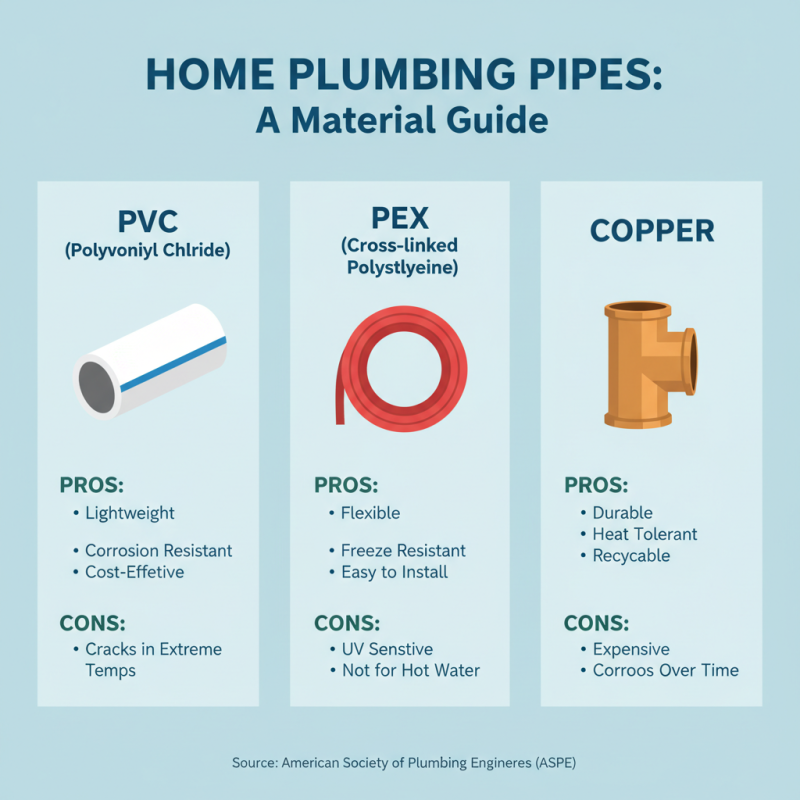
When it comes to home improvement projects, understanding the different types of pipes available is crucial for ensuring the successful execution of plumbing tasks. One of the most commonly used pipe materials is PVC (polyvinyl chloride), known for its lightweight, durable nature, and resistance to corrosion. PVC is often utilized for drain, waste, and vent lines due to its excellent flow properties and affordability. It’s important to note that while PVC pipes are suitable for many applications, they are not recommended for hot water systems as high temperatures can cause them to warp.
Another popular option is CPVC (chlorinated polyvinyl chloride), which can handle higher temperatures and is commonly used for hot and cold water distribution. CPVC pipes are similar to PVC but are treated to withstand heat, making them a better choice for residential plumbing systems. Additionally, copper pipes are still widely favored for their reliability and longevity. They are often utilized for water supply lines due to their ability to resist corrosion and their overall strength. While they can be more costly and require soldering during installation, copper pipes provide an undeniable durability that can last decades. Lastly, PEX (cross-linked polyethylene) tubing is gaining popularity for its flexibility and ease of installation, making it a go-to choice for many modern plumbing systems. PEX is resistant to scale and chlorine, less likely to corrode or develop pinhole leaks, and is ideal for retrofitting in homes.
Top Pipes and Fittings Guide for Home Improvement Projects
| Type of Pipe |
Material |
Common Uses |
Advantages |
Disadvantages |
| PVC |
Polyvinyl Chloride |
Drainage, waste, vent |
Lightweight, corrosion-resistant |
Not suitable for hot water |
| CPVC |
Chlorinated Polyvinyl Chloride |
Hot and cold water distribution |
Good resistance to heat |
More brittle than PVC |
| PEX |
Cross-Linked Polyethylene |
Water supply lines |
Flexible, resistant to scale |
UV sensitive, not for outdoor use |
| Copper |
Copper |
Water supply, HVAC |
Durable, anti-corrosive |
Expensive, can corrode |
| Galvanized Steel |
Steel coated with zinc |
Water supply, drainage |
Strong, suitable for heavy use |
Heavy, prone to rust |
Understanding Pipe Materials: Pros and Cons
When embarking on home improvement projects, understanding the various pipe materials available is crucial for determining the right choice for your specific needs. Each type of pipe material has its own set of advantages and disadvantages that can significantly influence the functionality and durability of plumbing systems. For instance, according to the American Society of Plumbing Engineers (ASPE), PVC (Polyvinyl Chloride) pipes are favored for their lightweight nature, corrosion resistance, and cost-effectiveness, making them ideal for residential drainage systems. However, their susceptibility to cracking in extreme temperatures is a notable drawback.
Another common option is copper piping, which boasts excellent thermal conductivity and longevity. It is often considered the gold standard for plumbing applications due to its resistance to corrosion and ability to handle high temperatures. A report by the International Plumbing Industry Council indicates that copper pipes can last over 50 years with proper maintenance. Nonetheless, the initial installation costs can be higher compared to alternatives like PEX (cross-linked polyethylene), which has gained popularity due to its flexibility and ease of installation. PEX is less prone to thermal expansion and requires fewer fittings, reducing the potential for leaks. However, concerns about chemical leaching and UV susceptibility in outdoor applications raise important considerations for homeowners when selecting pipe materials for their projects.
Essential Fittings and Accessories for Effective Plumbing
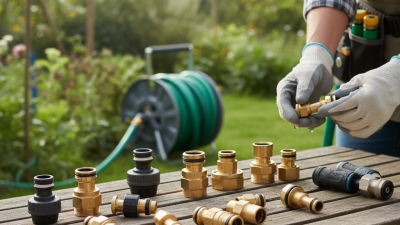
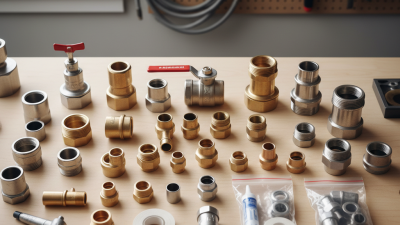
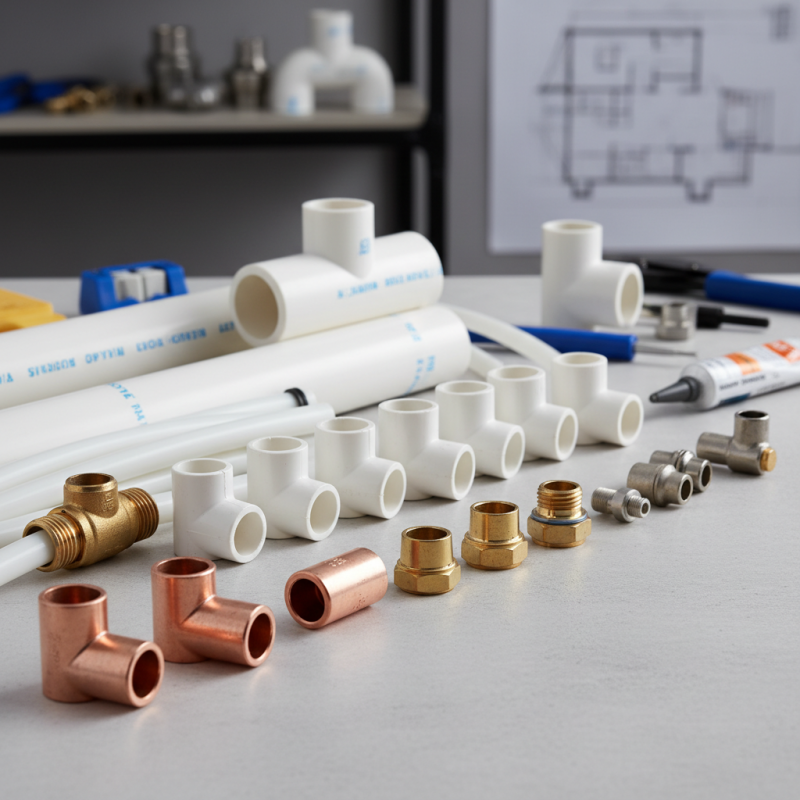
When embarking on any home improvement project, understanding the essential fittings and accessories for effective plumbing is crucial. Proper fittings not only ensure that water flows efficiently through your systems but also prevent leaks and costly repairs. Regularly used fittings such as elbows, tees, and couplings play a pivotal role in connecting various pipes, allowing you to navigate around corners and junctions in your plumbing layout. The choice of material for these fittings—be it PVC, copper, or PEX—depends on factors like water temperature, pressure, and even personal preferences related to installation and longevity.
In addition to the standard fittings, accessories such as pipe clamps, hangers, and sealants are critical for maintaining a secure and stable plumbing system. Pipe clamps help in holding pipes firmly in place, reducing movement that can lead to wear over time. Hangers, on the other hand, support pipes from overhead structures, ensuring they are aligned correctly and minimizing stress on fittings. Lastly, quality sealants are vital to prevent any leaks at joint connections, enhancing the overall durability and reliability of your plumbing installation. Understanding and selecting the right fittings and accessories is not just a matter of choice; it directly impacts the efficiency and safety of your plumbing system in any home improvement project.
Installation Techniques for DIY Home Projects
When undertaking DIY home improvement projects, understanding installation techniques for pipes and fittings is crucial to avoid potential issues in the future. A 2021 study by the National Association of Home Builders reported that nearly 30% of homeowners face plumbing problems within the first five years after installation. Proper techniques not only enhance the longevity of your installations but also ensure safety and efficiency in water usage.
One of the most common installation techniques is the use of threaded joints, which allow for easy disassembly and reassembly. However, it’s important to apply the correct amount of thread sealant to prevent leaks. According to the American Society of Plumbing Engineers, leaks from improperly installed joints account for approximately 18% of all plumbing-related repairs. Ensure you tighten the joints adequately without overtightening, which can lead to joint damage.
Tip: Always test your work by running water through the system and checking for leaks at joints and fittings before closing walls or ceilings. Additionally, consider the orientation and slope of your pipes to facilitate proper drainage, which can minimize costly repairs down the road. Taking these steps will significantly reduce the likelihood of early plumbing failures in your home improvement projects.
Maintenance Tips for Long-lasting Pipes and Fittings
Maintaining pipes and fittings is essential for ensuring the longevity and efficiency of any home’s plumbing system. According to the American Society of Plumbing Engineers, regular maintenance can extend the life of plumbing systems by up to 50%. This includes routinely checking for leaks, which, if left unattended, can result in significant water loss—averaging about 10,000 gallons per year for a single leak. Investing time in these preventive measures not only helps avoid costly repairs but also promotes sustainable water usage.
Another crucial aspect is the inspection and maintenance of pipe insulation, especially in regions prone to freezing temperatures. A report from the U.S. Department of Energy indicates that properly insulated pipes can reduce heat loss by up to 90%, thus preserving water temperature and improving energy efficiency in heating systems.
Furthermore, utilizing the right materials for fittings can significantly enhance durability. For instance, materials like PEX (cross-linked polyethylene) are resistant to scale and chlorine, reducing corrosion and maintaining water quality. Regularly examining and upgrading old or worn-out fittings can mitigate the risks of leaks and plumbing failures, ensuring your home’s plumbing remains in optimal condition.