Professional Plastic Pipe Heat Fusion Machine Buying Guide?
In the competitive landscape of modern plumbing and piping systems, the demand for a Professional Plastic Pipe Heat Fusion Machine has surged. Effective heat fusion techniques require not only advanced machinery but also a deep understanding of material science and engineering principles. According to a recent report by the International Pipeline and Plastics Association, the global market for plastic pipe heat fusion technology is expected to exceed $1 billion by 2025, signaling a critical investment area for professionals.
Industry expert Dr. Emily Chen, a leading authority in pipe engineering, states, “The efficiency of a heat fusion machine can directly impact project timelines and material integrity.” This emphasizes the importance of selecting the right machine, as improper choices can lead to significant cost overruns. With various models available, choosing the right Professional Plastic Pipe Heat Fusion Machine becomes crucial.
Durability and precision are essential. Yet, many buyers often overlook machine specifications, focusing instead on price. This neglect can lead to poor fusion quality and future failures. As the industry evolves, continued education on these tools is vital for professionals looking to ensure longevity and reliability in their work.
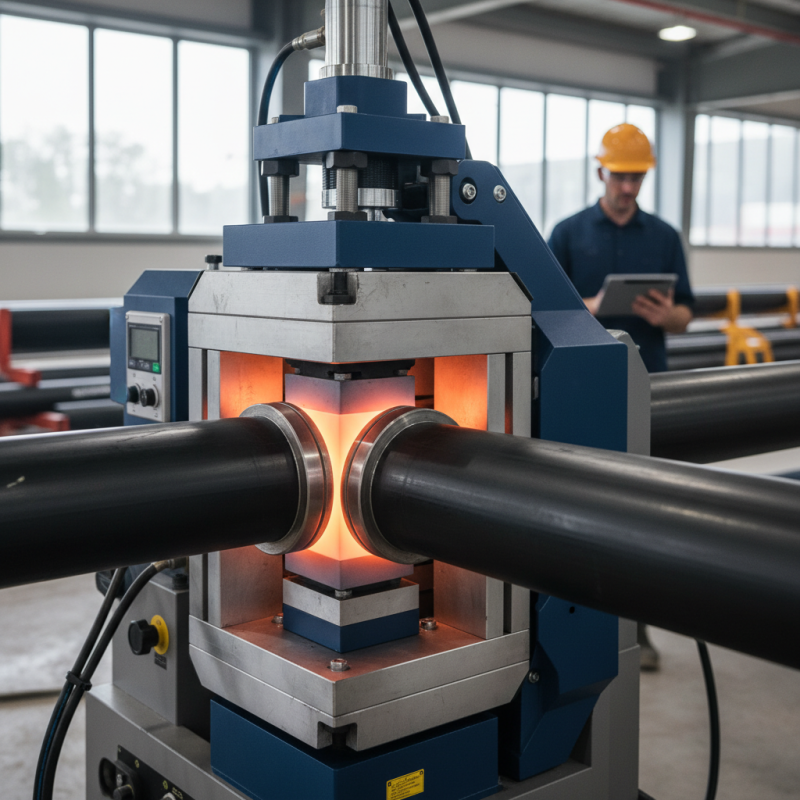
Understanding the Importance of Heat Fusion in Plastic Pipe Joining
Heat fusion is a crucial method for joining plastic pipes, ensuring strong and leak-free connections. This process utilizes heat to melt the edges of the pipes, which are then pressed together to create a solid bond. Understanding the importance of heat fusion can significantly impact the durability of plumbing and industrial systems. Improperly fused joints can lead to costly leaks or failures, so attention to detail is essential.
Choosing the right heat fusion machine can be overwhelming. Look for machines that offer precise temperature control and easy operation. A well-crafted machine can ensure consistent results. Remember, quality matters more than price. Investing in reliable equipment reduces the risk of mistakes that could compromise your project.
Tips: Always inspect your machine before use. Check for even heating and any signs of wear. Inconsistent heat can lead to weak joints. Also, practice on scrap materials before attempting your main task. This can help you gauge the machine's performance and refine your technique. Being cautious can save you from potential issues later on.
Heat Fusion Efficiency of Plastic Pipe Machines
Key Factors to Consider When Selecting a Plastic Pipe Heat Fusion Machine
When selecting a plastic pipe heat fusion machine, it’s essential to focus on key factors that influence performance and reliability. Industry data indicates that the right machine can enhance joint integrity and significantly extend piping system lifespan. Look for machines with adjustable temperature control, as proper heat application is crucial for effective fusion. A machine that exceeds manufacturers' recommended temperature range can lead to material degradation.
Consider the size and type of pipes you will be working with. Different machines cater to various pipe diameters. A machine designed for smaller pipes may not be effective for larger diameters and vice versa. Additionally, ensure the machine is compatible with the specific type of plastic you intend to work with, whether it's PVC, PE, or others. Inadequate compatibility can result in weak joints.
Tips: Always check for user reviews and feedback. Real-world experiences provide insights on durability and usability. Don’t underestimate maintenance needs; regular upkeep can prevent malfunctions. Balance your decision-making with performance data and practical evaluations. This approach ensures your investment pays off and meets industry standards, tailoring your choice to your specific welding tasks.
Comparative Analysis of Different Types of Heat Fusion Technology
The world of heat fusion technology for plastic pipes includes several types. Each method has its strengths and weaknesses. The most common are socket fusion, saddle fusion, and butt fusion. Understanding these differences helps in choosing the right equipment for your project.
Socket fusion is often used for smaller diameter pipes. It involves melting the pipe ends and joining them together. This method is reliable and easy to learn. However, it may not be suitable for larger pipes due to potential uneven heating.
Saddle fusion is great for creating branch connections. It offers a more versatile approach but can be tricky to execute correctly. Improper alignment can lead to leaks.
Butt fusion is the most widely used technique for larger diameter pipes. It provides strong joints but requires precise temperature control. The equipment for butt fusion is more complex, and operators need experience. Each type of heat fusion technology is valuable in its context. Evaluating the specific needs of your project is essential.
Industry Standards and Certifications for Plastic Pipe Fusion Equipment
When considering a plastic pipe heat fusion machine, understanding industry standards and certifications is crucial. These guidelines ensure that the equipment is reliable and effective. Standards from organizations such as ASTM and ISO play a significant role in quality assurance. Compliance with these specifications can determine the longevity and performance of the fusion process.
Certifications also reflect the credibility of manufacturers. A machine that meets specific safety and operational requirements is essential. Equipment should undergo rigorous testing to verify its capabilities. Even a slight deviation from standards can lead to defective installations, which is a risk no contractor should take.
In the quest for certifications, not all manufacturers provide clear information. It’s vital to seek out documentation that proves compliance. Asking for third-party verification may uncover hidden gaps in quality. Knowing the standards helps in making informed decisions. It’s an investment that pays off in the long run.
Cost-Benefit Analysis of Investing in a Quality Heat Fusion Machine
When considering the investment in a professional plastic pipe heat fusion machine, a cost-benefit analysis is crucial. The upfront cost can seem high, but quality machines often lead to long-term savings. Investing in a reliable heat fusion machine reduces the likelihood of failures in piping systems. When pipes fail, repairs can be costly and time-consuming. A quality machine ensures tight joints and minimizes leaks.
You may find that cheaper options do not perform well. These machines can require more frequent repairs and maintenance. This increases overall spending. Focusing on durability and efficiency is essential. A well-chosen heat fusion machine can pay for itself over time. It boosts productivity on job sites, allowing for faster project completion. In the long run, reliable equipment can enhance the reputation of your business.
Understanding the total costs is vital. Consider not just the initial purchase price. Maintenance, energy consumption, and operator training are also factors. A quality machine often comes with better support and service options. This can save you money and time in the event of a breakdown. Evaluating these aspects helps ensure you make a sound decision.