Top Quality Forged Fittings from China for Global Buyers?
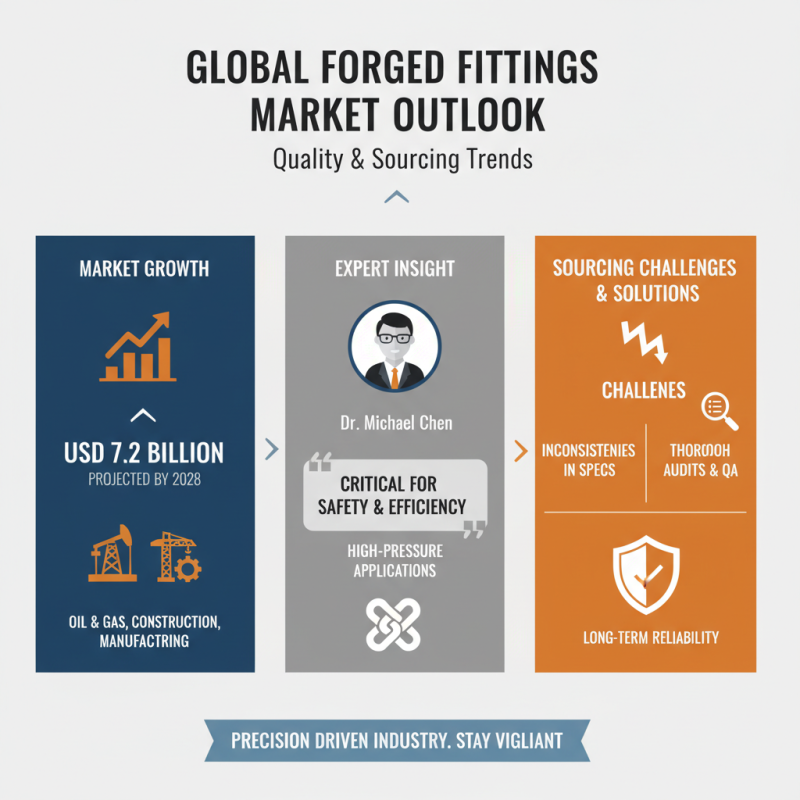
The demand for high-quality forged fittings has surged globally, particularly in sectors like oil and gas, construction, and manufacturing. According to a 2022 market report by Grand View Research, the forged fittings market is projected to reach USD 7.2 billion by 2028. This growth indicates a rising need for durable and reliable components.
Industry expert Dr. Michael Chen, a leading authority in metal fabrication, emphasizes the significance of quality, stating, “The integrity of forged fittings is critical in maintaining safety and efficiency in high-pressure applications.” Chinese manufacturers have positioned themselves as key players, supplying top-notch forged fittings that meet international standards.
However, challenges remain. Some buyers report inconsistencies in product specifications. It is crucial for global consumers to conduct thorough audits before procurement. Ensuring quality assurance processes are in place will help mitigate risks. In an industry driven by precision, it is essential to remain vigilant in sourcing practices to ensure long-term reliability in forged fittings.
Top Quality Forged Fittings: Understanding the Importance of Standards
Forged fittings play a critical role in many industries, including oil and gas, construction, and manufacturing. Their reliability and strength are vital for the integrity of pipelines and machinery. Understanding quality standards is crucial for buyers who source these products from China. Many manufacturers may not always adhere to the highest standards. It’s essential to identify those that do.
Quality is not just about the product alone. It involves rigorous testing and certification processes. Buyers should be aware of the different certifications that demonstrate adherence to safety and quality. There can be a disconnect between manufacturers’ claims and actual product performance. Regular audits and third-party inspections are necessary to ensure compliance with industry standards.
Trust is built through transparency and consistency. Buyers must seek documentation proving quality assurance methods. Engaging with suppliers who openly share their testing results fosters a reliable partnership. It empowers buyers to make informed decisions. Exploring various suppliers can reveal both strengths and weaknesses in their offerings. This critical assessment ensures a resilient supply chain in global markets.
Top Quality Forged Fittings from China for Global Buyers
| Fitting Type |
Material |
Standard |
Size Range (inches) |
Application |
| Socket Weld Fittings |
Carbon Steel |
ASTM A105 |
1/2 - 2 |
Oil & Gas |
| Threaded Fittings |
Stainless Steel |
ASTM A276 |
1/4 - 4 |
Chemical Processing |
| Butt Weld Fittings |
Alloy Steel |
ASME B16.9 |
2 - 12 |
Piping Systems |
| Elbows |
PVC |
ASTM D2466 |
1/2 - 6 |
Water Supply |
| Tees |
Duplex Steel |
EN 10253-1 |
1 - 10 |
Marine Applications |
Main Characteristics of High-Quality Forged Fittings from China
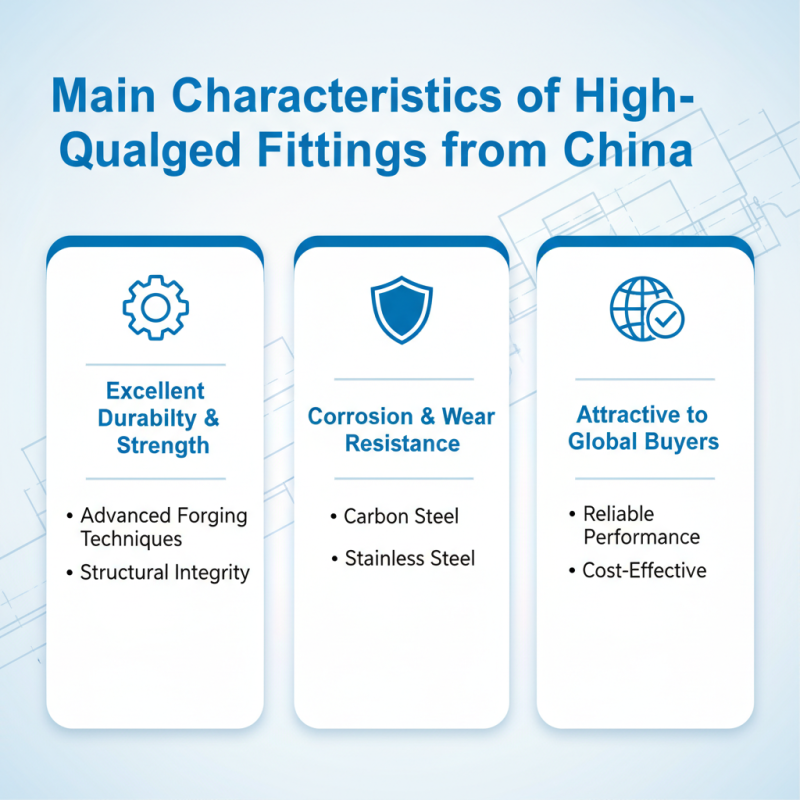
High-quality forged fittings from China have distinct characteristics that make them attractive to global buyers. First, they offer excellent durability and strength. These fittings are made using advanced forging techniques, which ensures their structural integrity. The materials used often include carbon steel and stainless steel, providing resistance to corrosion and wear.
Another essential feature is precision. Well-manufactured fittings ensure tight tolerances, making them suitable for various applications. This precision helps prevent leaks and failures in fluid systems. Additionally, manufacturers in China often adhere to international standards, enhancing their credibility. However, not all products meet these standards, so buyers must conduct thorough research.
Quality control is crucial. Some manufacturers may cut corners to reduce costs. It is vital to validate the quality assurance processes in place. Engaging with suppliers and requesting certifications can provide insight into their reliability. Ultimately, ensuring high-quality forged fittings requires careful inspection and assessment. Buyers should remain vigilant to avoid potential shortcomings in products.
The Manufacturing Process of Forged Fittings: A Step-by-Step Guide
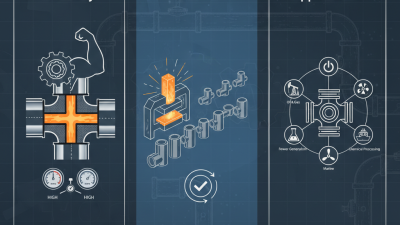
The manufacturing process of forged fittings involves several key steps. It starts with selecting quality materials, typically steel. The chosen steel undergoes heating, which elevates its malleability. This initial phase is crucial; improper heating can lead to material defects, impacting the final product.
Next, the heated steel is placed into a die for shaping. This step determines the fitting's dimensions and integrity. If the die is not aligned properly, the forged fitting may not achieve the desired specifications. While this process sounds straightforward, skilled workers must monitor each stage closely to avoid inconsistencies.
After shaping, the fittings go through a cooling process. Rapid cooling can create internal stresses, which may weaken the fittings. Additionally, surface treatment follows to enhance corrosion resistance. It's essential to inspect each fitting for defects consistently. Proper quality control is vital, as any flaws can affect the reliability of the fittings in their application. Each of these steps is an opportunity for improvement, and manufacturers should continuously refine their techniques to deliver exceptional products.
Quality Control Measures in China's Forged Fitting Industry
China's forged fitting industry has gained significant attention from global buyers. Quality control is a crucial aspect of this sector, ensuring that products meet international standards. According to a recent industry report, about 60% of manufacturers in China implement rigorous quality control measures at every production stage. This includes raw material inspection and end-product testing.
One critical aspect is the use of advanced testing technologies. Many manufacturers use non-destructive testing methods, which provide accurate assessments without damaging the fittings. However, there are still instances where results vary, signaling a need for stricter adherence to quality standards.
Tips: Always request certifications from manufacturers to ensure compliance with ISO standards. Consider visiting production facilities if possible to assess their quality control processes firsthand. Building relationships with suppliers can also help in addressing quality concerns promptly.
The consistency of quality remains an ongoing challenge. While many Chinese manufacturers strive for excellence, variations can occur. Regular audits and feedback loops can enhance product reliability. Implementing a robust supplier evaluation process can minimize risks and ensure buyer satisfaction.
Global Market Trends for Chinese Forged Fittings and Their Implications
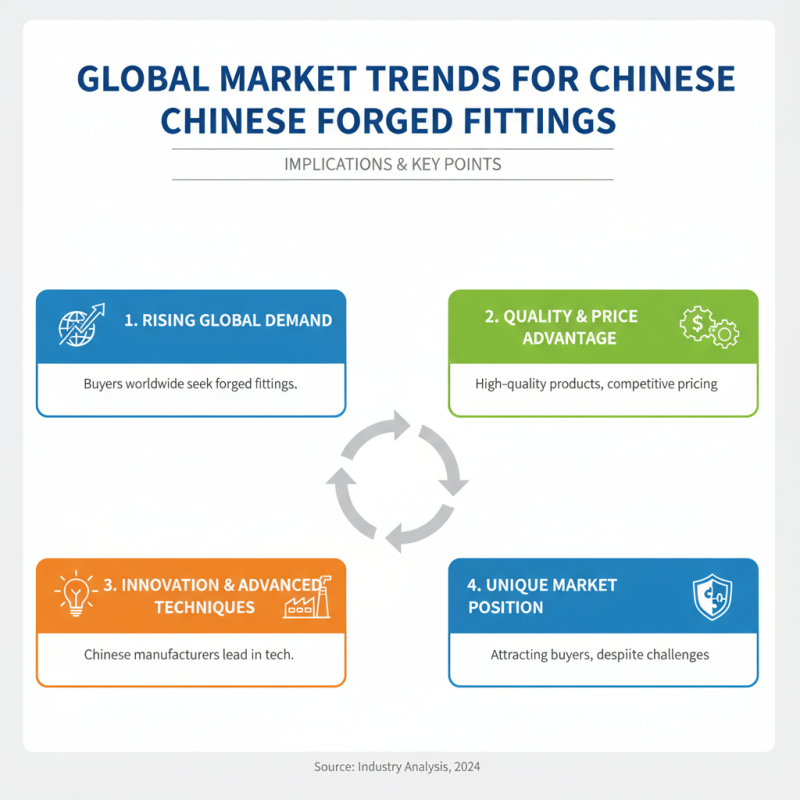
The global demand for forged fittings from China continues to rise. Buyers seek high-quality products at competitive prices. Chinese manufacturers focus on innovation and advanced techniques. This creates a unique position in the market. Many buyers are drawn to these benefits, but challenges remain.
One major trend is sustainability. Companies are pressured to adopt eco-friendly practices. Some manufacturers are slow to adapt, which can harm their reputation. As buyers become more conscious, they expect higher standards. Additionally, fluctuating raw material costs impact pricing strategies. It's crucial for manufacturers to balance quality with affordability.
Communication is key for building trust. Buyers must verify suppliers' credentials and production processes. Quality assurance measures play a vital role in this industry. However, not all manufacturers maintain strict quality control. This inconsistency can lead to dissatisfaction and potential losses. Continuous improvement is necessary, especially in the competitive global market.