Why Are Service Valves Essential for Plumbing Systems?
Service valves play a critical role in plumbing systems. They control the flow of water and maintain system integrity. According to a report by the American Society of Plumbing Engineers, service valves can reduce water damage by 30%. This statistic highlights their importance in preventing costly repairs and maintaining safety.
In many homes, service valves often go overlooked. Homeowners may not realize their potential until an emergency arises. The presence of a well-placed service valve can make a significant difference during repairs or maintenance. Engineers emphasize that proper valve placement can simplify complex plumbing systems and enhance overall efficiency.
Neglecting service valves can lead to severe consequences. A survey from the Institute of Plumbing shows that 40% of plumbing failures are linked to valve issues. This raises questions about maintenance practices. Regular inspections and timely repairs can help mitigate these risks and improve system longevity. Understanding the role of service valves is essential for every property owner.
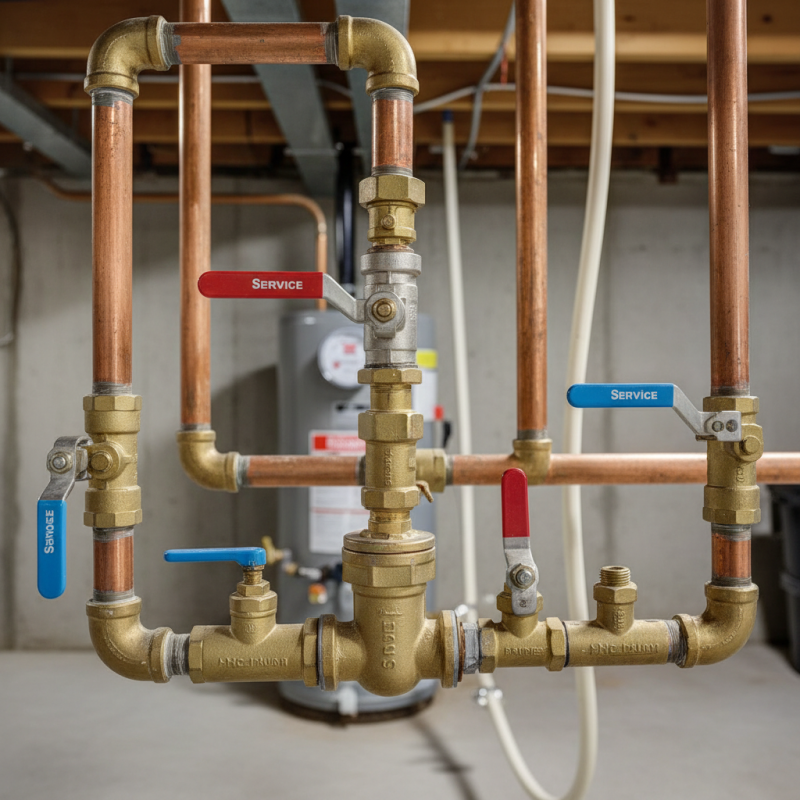
The Role of Service Valves in Plumbing Systems
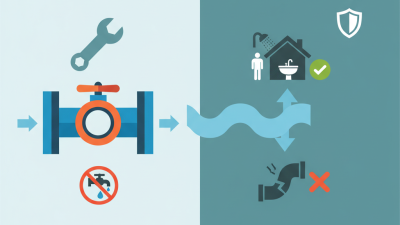
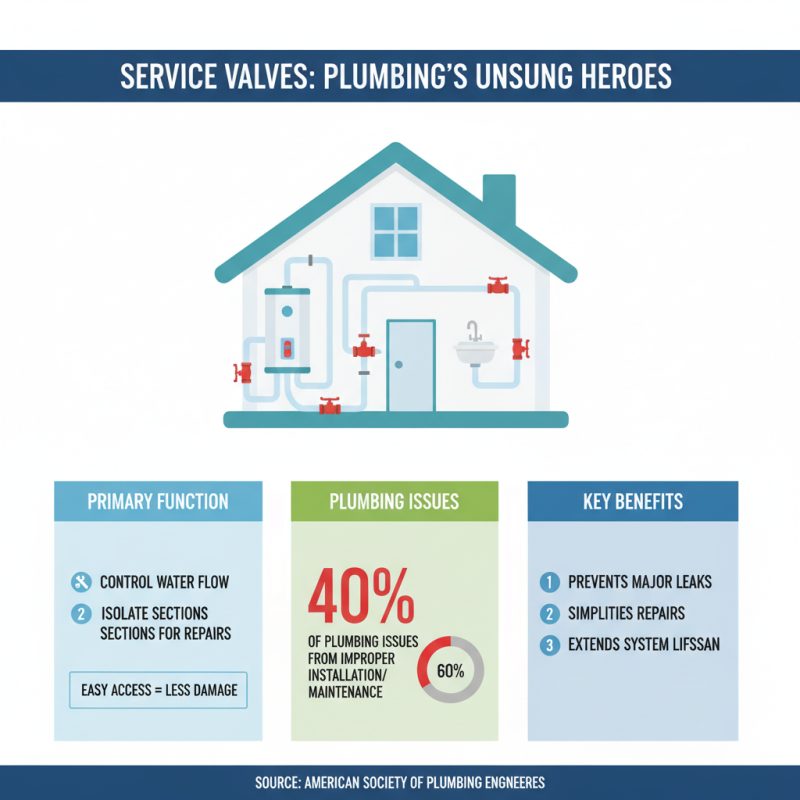
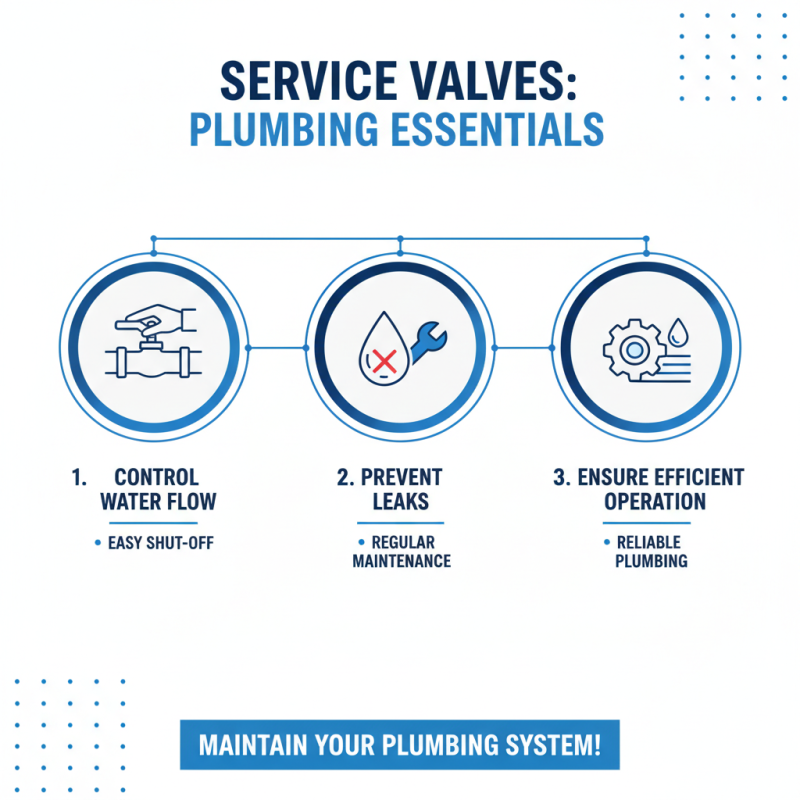
Service valves play a critical role in plumbing systems. They enable the control of water flow in various fixtures. When a pipe breaks or a fixture needs repair, service valves allow isolation of that section without affecting the entire system. This is vital for maintaining functionality and minimizing inconvenience.
Regular maintenance of service valves is crucial. Make it a habit to check them periodically for leaks. A small drip can lead to bigger issues over time. If valves are difficult to turn, they may require lubrication or replacement. Do not ignore these signs.
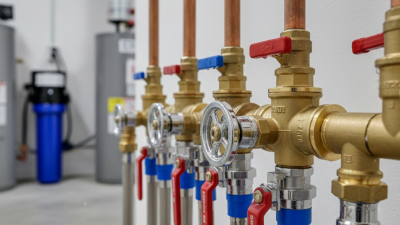
Consider installing accessible service valves. They should be easy to reach. This can save time and effort during emergencies. An inaccessible valve can lead to frustration when quick action is needed. Planning for easy access can make a significant difference in your plumbing experience.
Types of Service Valves Used in Plumbing Applications
Service valves are crucial in plumbing systems. They control water flow and ensure maintenance tasks can be performed easily. Different types of service valves are designed for specific applications, making them versatile tools for homeowners and professionals alike.
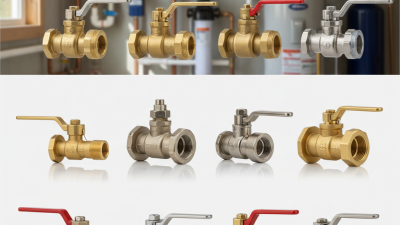
Among the common types of service valves are gate valves, ball valves, and globe valves. Gate valves are often used for on-off control. They allow for full flow but can be challenging to operate if not maintained properly. Ball valves provide quick shut-off and sealing ability, which makes them reliable choices. However, they may require periodic inspection to avoid seizing. Globe valves, while more effective for regulating flow, can be less efficient for on-off functions.
It's essential to choose the right valve for the job. Each type has its pros and cons. A wrong choice can lead to leaks or faulty control. Regular maintenance is key. Not addressing potential issues could lead to costly repairs later. Being aware of these types can save time and money, yet many overlook this step. Understanding service valves enhances any plumbing system's efficiency and reliability.
Benefits of Installing Service Valves in Residential Plumbing
Service valves play a pivotal role in residential plumbing systems. Their primary function is to control water flow and isolation in different sections of the plumbing. According to a report from the American Society of Plumbing Engineers, nearly 40% of plumbing issues stem from improper installation or maintenance. Service valves can significantly reduce these occurrences by providing easy access for repairs.
Installing service valves helps homeowners prevent water damage. It allows users to quickly shut off the water supply in case of a leak or burst pipe. The EPA points out that household leaks account for over 1 trillion gallons of water wasted each year in the U.S. This loss is preventable. Service valves can minimize this waste by enabling swift action when issues arise.
Moreover, these valves enhance system efficiency. They reduce the need for extensive plumbing work, which can be costly. A study indicates that homes with service valves experience fewer major plumbing failures. However, homeowners must regularly check these valves. Neglected valves can seize up, leading to more complex issues down the line. Regular maintenance is crucial to enjoy their full benefits.
Common Issues and Solutions Related to Service Valves
Service valves play a crucial role in plumbing systems. They allow for the control of water flow. Without them, repairs can become complex and messy. One common issue is leaks. A faulty valve often leads to water pooling around fixtures. This can damage flooring and cause mold growth.
Another problem involves valve accessibility. Sometimes, valves are hidden behind walls or fixtures. This makes repairs difficult. Homeowners may need to consider relocating valves for easier access. Regular maintenance is essential. A simple inspection can identify potential issues before they escalate. Cleaning and testing valves can prevent significant water damage down the line.
A less common, yet frustrating issue is corroded valves. Corrosion can restrict flow and lead to failures. It’s important to check for signs of rust or buildup. Replace corroded valves promptly. Ignoring these symptoms can turn minor repairs into costly ones. Keeping an eye on service valves ensures a well-functioning plumbing system. Small steps can lead to big results in maintaining home plumbing.
Importance of Service Valves in Plumbing Systems
Service valves are crucial components of plumbing systems. Understanding common issues and their prevalence helps in ensuring that plumbing remains efficient and reliable. In this chart, we breakdown the percentage of common problems associated with service valves and highlight the need for regular maintenance and monitoring.