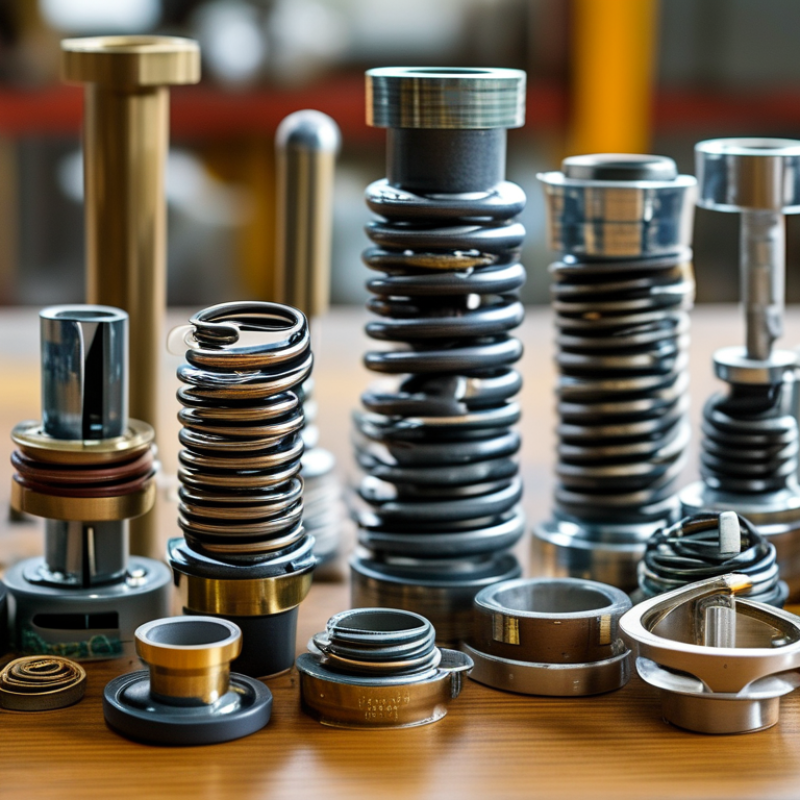
What is Spring Seals and How to Choose the Right One?
Choosing the right Spring Seals is crucial for various applications. These components play a vital role in preventing leaks and ensuring efficient machinery performance. With many options available, selecting the most suitable Spring Seal can be challenging.
Consider the materials, sizes, and designs. Each choice affects performance and durability. Common materials include rubber, metal, and polymers. Rubber seals offer flexibility, while metal options provide strength. Yet, finding the perfect match isn't always straightforward. Users often face difficulties navigating through specifications.
Understanding the requirements of your application is essential. Take time to analyze factors like pressure, temperature, and media compatibility. This diligence will help you avoid costly mistakes. Reflecting on past experiences may yield better choices. Careful selection of Spring Seals today can lead to improved efficiency tomorrow.
Understanding Spring Seals: Definition and Functionality
Spring seals are crucial components in various mechanical applications. They help prevent leaks and ensure the efficient working of machinery. Understanding their definition and functionality is key to choosing the right type for your needs.
Essentially, a spring seal uses a spring mechanism to maintain continuous contact with the sealing surface. This design allows it to adapt to changes in pressure and temperature. Consequently, it minimizes the risk of fluid leakage. Made from durable materials, these seals can withstand harsh environments. In applications involving high pressures, the right spring seal can significantly enhance performance.
Selecting a spring seal involves considering several factors. The operating temperature and pressure are vital. The material of the seal should also match the substances it will encounter. Not every seal fits every application perfectly. An ill-fitted seal may lead to frequent failures. Careful selection based on specific needs is essential for optimal functionality.
Types of Spring Seals: Variations and Applications
Spring seals are crucial in various industries, and understanding their types enhances application effectiveness. Common types include mechanical seals, lip seals, and spring-loaded seals. Each has its specific application range and performance attributes.
Mechanical seals are often used in pumps and compressors. They handle high pressure and temperature. Data indicates that around 40% of pump failures are due to seal wear. Lip seals, great for rotary applications, provide a reliable seal against dirt and moisture. They excel in automotive and aerospace industries.
Spring-loaded seals are adaptable, making them versatile across multiple sectors.
Choosing the right spring seal requires understanding the operational environment. For instance, seals exposed to aggressive chemicals might degrade faster. Statistical reports show that failure rates can exceed 30% in hostile environments. Assessing factors like temperature, pressure, and compatibility is essential. An overlooked choice can lead to costly downtime. The impact of seal selection cannot be underestimated. Each industry can significantly benefit from a tailored approach to seal selection.
Factors to Consider When Choosing Spring Seals
Choosing the right spring seal requires careful consideration of several factors. Material selection is crucial. Common materials include rubber, PTFE, and polyurethane, each with unique properties. A study by the International Journal of Advanced Manufacturing Technology indicates that incorrect material choice can lead to premature seal failure, affecting operational efficiency.
Pressure and temperature ratings are significant. Each application has specific requirements. Make sure to match these ratings with the seal you intend to use. Failure to do so can result in leaks or even catastrophic failures. According to a report by the American Society of Mechanical Engineers (ASME), inappropriate seals in high-pressure systems can drastically reduce lifecycle costs due to increased maintenance.
Tips: Always consult manufacturer guidelines for technical specifications. Cross-reference with industry standards for compatibility. Evaluate past performance data on seals to guide your decision-making. It helps to keep a record of seal longevity in different conditions to inform future choices. Remember, a well-chosen seal not only enhances performance but also saves costs in the long term. A poor choice could compromise the entire system.
Step-by-Step Guide to Selecting the Right Spring Seal
Choosing the right spring seal is crucial for ensuring optimal performance in various applications. Start by assessing the operating environment. Temperature ranges and exposure to chemicals can significantly impact seal integrity. A 2022 industry report indicated that improper selection can lead to failures in 30% of applications, resulting in costly downtimes.
Next, consider the material of the spring seal. Common options include elastomers, thermoplastics, and metal components. Each material has unique characteristics. For instance, elastomers are flexible and provide good sealing performance. However, they may not withstand harsh chemicals. According to studies, 40% of seal failures stem from material incompatibility. It’s vital to match material properties with your specific application needs.
Finally, evaluate the design and dimensions. Proper sizing is essential for achieving the correct seal compression. Over-compression can lead to premature wear, while under-compression may result in leakage. A recent analysis showed that improper sizing accounts for 25% of failures in mechanical seals. Taking the time to measure accurately can prevent these issues. Each detail matters, and neglecting any aspect could lead to unforeseen challenges.
Spring Seals Performance Comparison
This chart compares the performance ratings of different spring seal materials, helping you choose the right one for your needs.
Maintenance Tips for Enhancing the Longevity of Spring Seals
Spring seals play a crucial role in various automotive and machinery applications. Proper maintenance is key to enhancing their longevity. Users often overlook simple steps that can greatly extend seal life.
Regular inspections are essential. Look for signs of wear or damage, such as cracks or deformation. These issues can affect performance. If you notice these signs, it's time to replace the seal. Don't wait until it breaks. Clean the area around the seals regularly. Dirt and debris can lead to premature failure.
Lubrication is another critical factor. Apply the right type of lubricant as per the specifications. Too much or too little can both be detrimental. Use a proper sealing compound if needed. Remember, maintenance is not just about correcting problems. It's about preventing them before they arise. Taking the time to inspect and maintain spring seals can save significant costs in the long run.
What is Spring Seals and How to Choose the Right One? - Maintenance Tips for Enhancing the Longevity of Spring Seals
| Seal Type | Material | Temperature Range | Pressure Rating | Maintenance Tips |
| Single Coil Spring Seal | Nitrile Rubber | -20°C to 100°C | Up to 10 bar | Regular inspection and lubrication |
| Double Coil Spring Seal | Fluorocarbon | -20°C to 200°C | Up to 20 bar | Ensure proper alignment and clean surfaces |
| Spring Energized Seal | PTFE | -50°C to 260°C | Up to 25 bar | Monitor for wear and replace as necessary |
| Wave Spring Seal | Stainless Steel | -30°C to 150°C | Up to 15 bar | Check for corrosion and clean regularly |