Ultimate Tips for Choosing Malleable Iron Fittings?
Choosing the right malleable iron fittings is critical for ensuring safety and performance in various applications. According to a report by the International Pipe Fittings Association, over 65% of plumbing failures can be attributed to poor-quality fittings. This statistic underlines the significance of making informed decisions when selecting malleable iron fittings. Industry expert John Smith, a leading authority in pipe materials, stated, "Quality should never be compromised, especially in malleable iron fittings."
Malleable iron fittings offer versatility and strength. They are widely used in plumbing, gas, and fire protection systems. However, not all products on the market are created equal. Buyers often overlook key factors like material composition and manufacturing standards. This oversight can lead to costly repairs or even safety hazards down the line. Experts recommend thorough research before making a purchase.
Finding reliable suppliers and understanding product certifications is essential. Many buyers grapple with these challenges. It's easy to become overwhelmed by options available today. Ultimately, investing time in understanding malleable iron fittings will pay off. Quality fittings ensure not only compliance with industry standards but also the longevity of your infrastructure.
Understanding Malleable Iron Fittings: A Comprehensive Overview
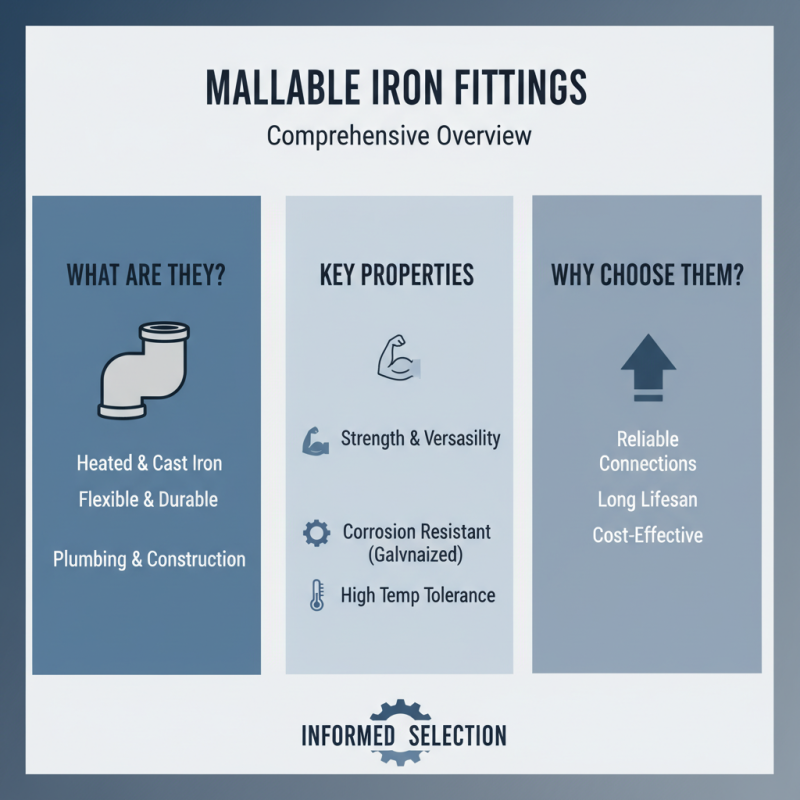
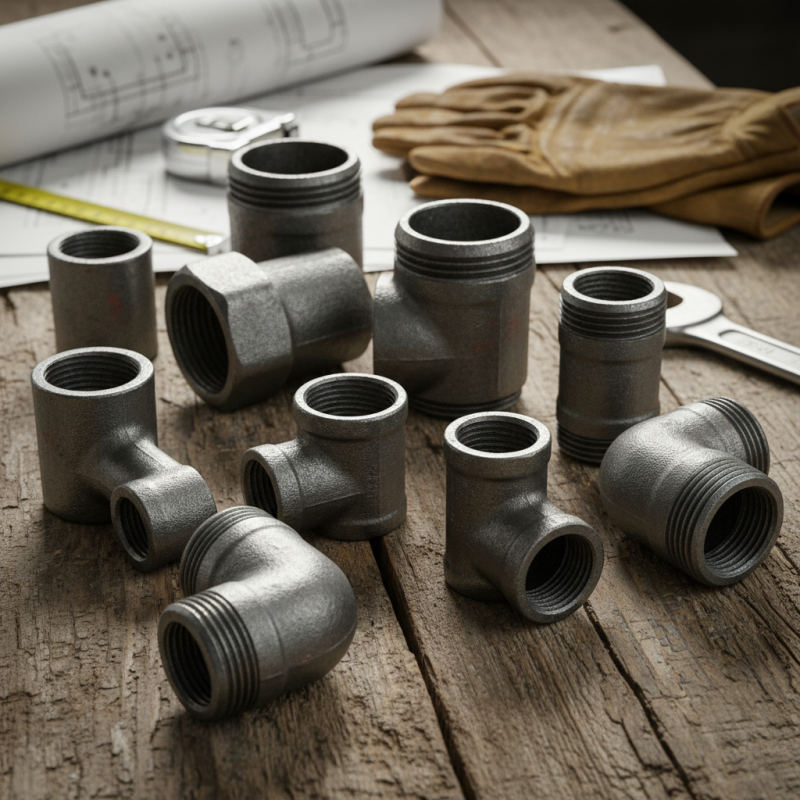
Malleable iron fittings are essential in various plumbing and construction applications. These fittings are known for their versatility and strength. They are made by heating and casting iron, which allows for flexibility and durability. Understanding their properties helps in making informed decisions during selection.
When choosing malleable iron fittings, consider the environment where they will be used. Exposure to moisture can lead to rust and corrosion. Sometimes, it may be tempting to choose cheaper alternatives. However, quality should not be overlooked. Pay attention to the fittings' thickness and design. Thicker walls and well-designed shapes enhance resistance under pressure.
Installation can be tricky. Proper sealing is vital. Leaks occur if fittings are not correctly tightened. It’s easy to skip this step in a hurry, but it often leads to failure. Regular inspection after installation is crucial. Spotting early signs of wear can save both time and money. There’s always room for improvement in the installation process, ensuring better performance over time.
Key Properties of Malleable Iron Fittings for Practical Applications
Malleable iron fittings are widely used due to their distinct properties. Their tensile strength averages around 300 MPa, making them strong yet adaptable. This strength allows them to withstand high pressures, which is crucial in various practical applications. The flexibility of malleable iron enables it to absorb shock and stress better than other materials.
Corrosion resistance is another key property. Research indicates that malleable iron can endure harsh environments for extended periods. This durability often means reduced maintenance costs. However, not all malleable iron fittings have the same resistance. It’s essential to check specifications before making a selection.
Ease of machining stands out in the properties of malleable iron. Fittings can be easily threaded, making installation straightforward. While malleable iron fits into multiple scenarios, some may experience cracking under adverse conditions. Awareness of this can help in choosing the right fitting for specific applications.
Ultimate Tips for Choosing Malleable Iron Fittings
This chart illustrates the key properties of malleable iron fittings with a rating scale from 1 to 10. The ratings reflect the importance and effectiveness of each property based on practical applications.
Factors to Consider When Choosing Malleable Iron Fittings
Choosing malleable iron fittings requires careful consideration of several factors. These fittings are designed for various applications, from plumbing to construction. One significant factor is the pressure rating. According to industry standards, fittings must meet specific pressure requirements to prevent failures. Malleable iron can handle pressure ratings ranging from 150 psi to 300 psi, making it essential to match the fitting to the application.
Another vital aspect is the environment in which these fittings will be used. Malleable iron fittings may corrode if exposed to moisture without protective coatings.
A study from the American Society of Mechanical Engineers highlights that 30% of piping failures arise from corrosion-related issues.
Also, consider the dimensions and compatibility with existing systems. Incorrect sizing can lead to leaks and costly repairs.
Manufacturers often focus on production techniques and quality control. Some fittings might not be tested under real-world conditions.
This makes it crucial to verify certifications and resistances provided in data sheets.
A significant percentage of malleable iron fittings on the market may not meet stringent international standards. Therefore, looking into detailed specifications can sometimes reveal discrepancies that require critical evaluation.
Common Types of Malleable Iron Fittings and Their Uses
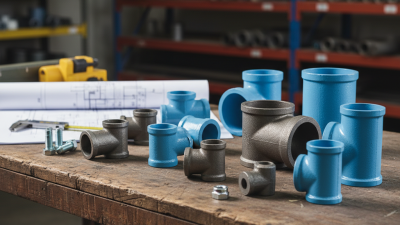
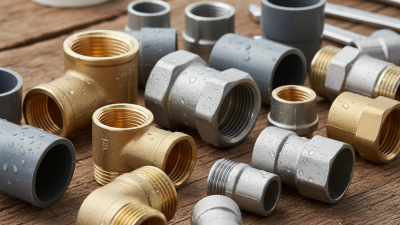
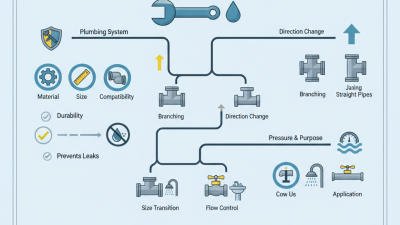
Malleable iron fittings are versatile components widely used in plumbing and construction. Common types include elbows, tees, and couplings. Each type serves a unique purpose. For instance, elbows change the direction of pipes. They often come in various angles, like 90 or 45 degrees. Tees help create junctions, allowing for the connection of additional pipes. Couplings are essential for joining two pipe ends securely.
When choosing these fittings, consider the specific application. The pressure rating of each fitting is crucial. It indicates how much pressure they can withstand. Look for fittings that match your pipe size and type. Improper sizing can lead to leaks or failures. Additionally, ensure the fittings are compatible with the materials being used.
Pay attention to the finish as well. A rough surface may lead to issues during installation. It’s worth noting that some fittings may have slight defects. Inspect each piece thoroughly before use. In the end, your choice of malleable iron fittings can greatly impact the success of your project. Quality should never be compromised.
Ultimate Tips for Choosing Malleable Iron Fittings
| Fitting Type |
Common Uses |
Advantages |
Disadvantages |
| Elbow |
Used to change the direction of pipes |
Durable, provides a smooth flow |
Can be heavy and difficult to install |
| Tee |
Used for branching off from the main pipe |
Versatile, can connect multiple lines |
May require specific sizes for compatibility |
| Coupling |
Used to connect two pipe ends |
Creates a secure connection |
Limited to same-diameter pipes |
| Cap |
Used to seal the end of a pipe |
Prevents leakage |
Requires proper sizing to fit |
| Plug |
Used to close a pipe or fitting |
Cost-effective sealing solution |
May not withstand high pressure |
Best Practices for Maintaining Malleable Iron Fittings
Maintaining malleable iron fittings is crucial for ensuring their longevity and functionality. Regular inspection is essential. Look for signs of rust or corrosion. Even small patches can worsen over time. Clean fittings with a soft brush and mild soap. Harsh chemicals can damage the surface.
Proper lubrication is also important. Use oil or grease intended for metal components. Apply it sparingly to avoid attracting dust and grime. Be mindful of tight joints. Excessive force can lead to damage. Adjust fittings gently and make sure not to over-tighten.
Environmental factors can impact malleable iron fittings. Humidity and temperature shifts create stress. Consider using protective coatings in harsh conditions. They can help prevent rust. Sometimes, fittings may need replacement. Ignoring wear can lead to bigger issues. Regular maintenance can save time and money.