Top Tips for Sourcing Quality Valves Fittings Worldwide?
In the dynamic world of valves fittings, sourcing high-quality components is crucial for success. John Smith, a renowned expert in fluid control systems, once stated, "Quality valves fittings are the backbone of any effective piping system." His insight reflects the importance of reliability in this industry.
When sourcing valves fittings, it’s essential to consider various factors beyond just price. Many suppliers promise quality, but not all deliver. It's important to research manufacturers thoroughly. Look for feedback and reviews from previous clients.
Pay close attention to the materials used in production. Inferior materials can lead to failures, costing time and money. A well-sourced valve fitting can prevent leaks and ensure system integrity. Unfortunately, some businesses overlook these details, leading to costly mistakes. The quest for quality never ends, and reflection on past sourcing decisions is necessary.
Understanding the Basics of Valves and Fittings in Various Applications
In various applications, valves and fittings play crucial roles in fluid dynamics. They regulate flow, pressure, and direction of liquids and gases. For instance, in chemical processing, high-quality valves withstand aggressive media. The global market for valves is projected to grow by over 5% annually, reflecting their rising importance in industries worldwide.
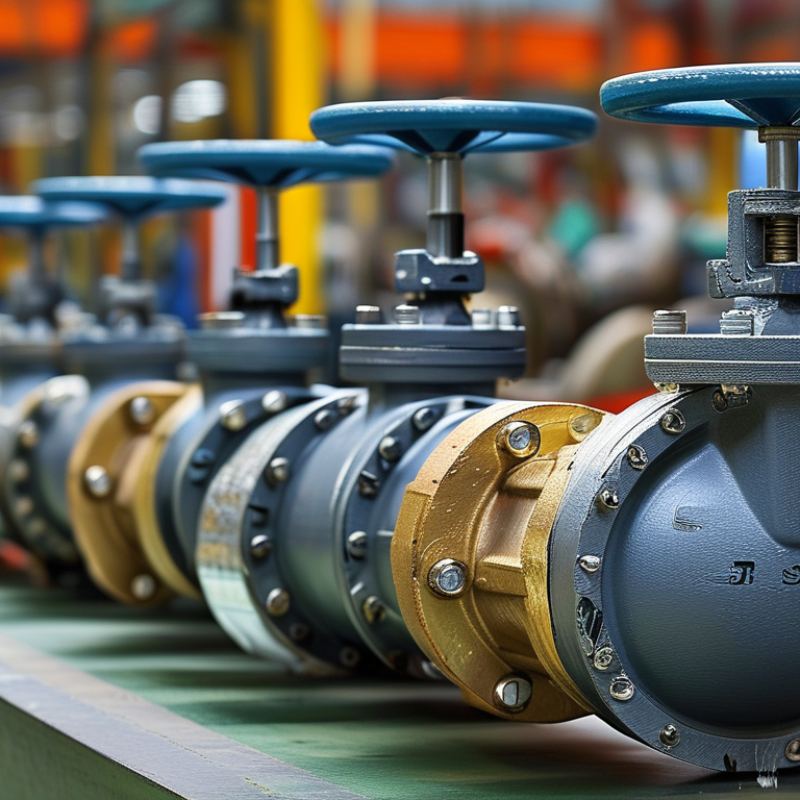
Understanding valve types is essential. Gate valves, for example, allow full flow. Ball valves provide reliable shut-off. Each type has unique applications suited to specific needs, such as temperature and pressure ratings. According to industry reports, improper selection can lead to inefficiencies and costly downtimes. Some manufacturers overlook these critical factors, resulting in performance issues.
Fittings also significantly impact system integrity. They connect pipelines and components seamlessly. An ASTM report showed that improper fittings lead to nearly 30% of system failures. Regulations and standards shape manufacturing practices. Without adherence, the risks increase. A knowledgeable sourcing process ensures component reliability and functionality, leading to overall system optimization. Understanding these fundamentals aids in avoiding costly mistakes and achieving operational excellence.
Identifying Quality Standards and Certifications for Valves Worldwide
When sourcing quality valves and fittings, it's crucial to understand the relevant quality standards and certifications. The ISO 9001 standard is one of the most recognized. It assures that manufacturers maintain a quality management system. According to a report by the International Organization for Standardization (ISO), over 1.5 million companies worldwide are certified under this standard. This highlights its importance in the industry.
In North America, the American National Standards Institute (ANSI) also plays a key role. ANSI ensures that products meet safety and performance standards. It's vital to check for certifications like ASME and API, which are essential for valves in pressure applications. A 2022 market analysis by Grand View Research revealed that certified products have a 25% higher market acceptance. However, not all manufacturers adhere to these standards consistently. This inconsistency can lead to quality issues.
Evaluating certifications can be challenging. Some may look legitimate but lack proper backing. Documentation verification is necessary. Organizations may claim to comply without rigorous oversight. Always seek third-party validation when possible. Transparency in sourcing can enhance reliability but also requires diligence. Engaging with trusted consultants can further clarify necessary standards based on specific applications.
Exploring Global Market Trends for Sourcing Valves and Fittings
In today's global market, sourcing quality valves and fittings requires an understanding of various regional trends. Key markets are evolving, influenced by technological advances and sustainability. Many countries are investing in greener technologies, which affects production and material choices. Keeping an eye on these trends is crucial for making informed sourcing decisions.
For effective sourcing, collaborate closely with reliable suppliers. Research their track record and certifications to ensure quality. Building long-term relationships can lead to better pricing and priority during supply shortages. Utilize online platforms and trade shows to discover partners who align with your business values and goals.
Stay updated on international trade regulations. Changes can impact shipments and costs. Engaging with experts in global trade can smooth the sourcing process. Consider diversifying suppliers to mitigate risks. This way, you can adapt to market fluctuations and maintain a steady supply line. Remember, sourcing quality valves and fittings is not just about the price; reliability plays a vital role.
Global Sourcing Trends for Valves and Fittings
This bar chart illustrates the average sourcing cost for valves and fittings across various global regions, highlighting significant differences in pricing that can influence sourcing decisions.
Assessing Supplier Credentials and Reliability in Different Regions
When sourcing quality valves and fittings, supplier credentials are critical. Evaluating a supplier’s history and reliability can prevent costly mistakes. Start by reviewing their certifications and industry standards. These documents can provide insights into their manufacturing processes and commitment to quality. Be cautious if documentation seems inconsistent or incomplete.
Geographic factors also play a role. Different regions have varying manufacturing norms and regulations. Understanding local practices can highlight potential risks. Engage with local industry networks. This can offer first-hand accounts of suppliers' reputations. If you're unsure, consider visiting suppliers or requesting virtual presentations. Such efforts can reveal a lot about their operations.
Trust your instincts when assessing reliability. Communication style can indicate professionalism. If responses are slow or vague, dig deeper before proceeding. Sometimes, red flags might not be obvious. Reflect on past experiences with other suppliers. Learning from those interactions can guide your current sourcing decisions.
Evaluating Cost vs. Quality When Sourcing Valve Products Globally
When sourcing valve products globally, balancing cost and quality is crucial. Many buyers focus solely on lower prices, risking subpar materials and reliability. A cheap valve can lead to failures, affecting operations and safety. It’s essential to consider long-term performance over initial savings. Investing in quality often pays off through reduced maintenance and enhanced efficiency.
Evaluating suppliers is essential. Look for those with industry certifications and a robust track record. Communication matters; ensure they understand your specific needs. Request samples to assess craftsmanship. Remember, even reputable suppliers can have inconsistencies. It’s valuable to repeatedly evaluate their output to maintain standards. Review feedback from fellow buyers to gauge reliability.
Navigating international sourcing requires diligence. Cultural differences can impact quality assurance practices. Take time to create detailed specifications. Be wary of suppliers who offer significant discounts without clear reasoning. This often indicates compromised quality. While saving money is tempting, the long-term risks must inform your choices.
Top Tips for Sourcing Quality Valves Fittings Worldwide - Evaluating Cost vs. Quality When Sourcing Valve Products Globally
| Region |
Average Cost (USD) |
Quality Rating (1-10) |
Lead Time (Days) |
Supplier Experience (Years) |
| North America |
150 |
8 |
15 |
20 |
| Europe |
130 |
9 |
10 |
25 |
| Asia |
100 |
7 |
20 |
15 |
| South America |
120 |
6 |
25 |
10 |
| Africa |
110 |
5 |
30 |
8 |