Top 10 Emergency Generators You Should Consider Today?
When considering the right Emergency Generator, knowledge is crucial. With unpredictable weather patterns increasing, the need for reliable backup power is rising. According to recent industry reports, nearly 35% of households experience power outages annually. This statistic underscores the importance of being prepared.
Emergency generators offer peace of mind during uncertain times. They come in various sizes and capabilities, catering to different needs. A well-chosen generator can keep vital appliances running, ensuring safety and comfort. However, choosing the right model can be challenging. Many options flood the market, leading to confusion among consumers.
What qualifies as the best generator is subjective. Factors like fuel type, wattage, and portability must be assessed. Seeking expert advice can help mitigate adverse outcomes. Reliable sources suggest that a generator's fuel efficiency and maintenance requirements are often overlooked. Making informed decisions influences not just convenience but safety during emergencies. Evaluate your options thoughtfully.
Types of Emergency Generators: Understanding Your Options
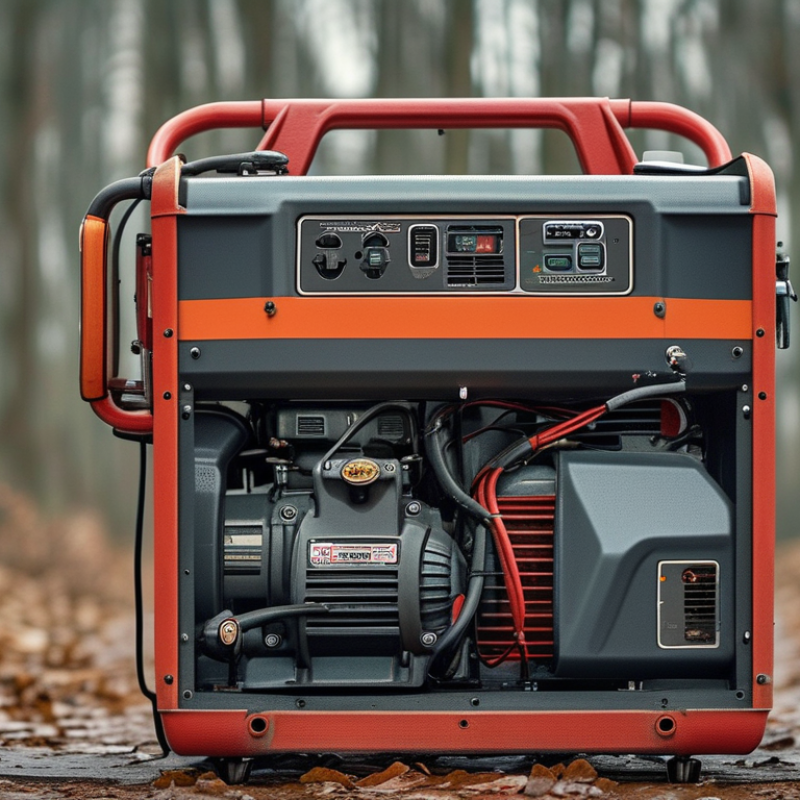
When considering types of emergency generators, it’s vital to understand the different options available. Portable generators are popular for their ease of use and mobility. They can be transported to any location, making them ideal for camping or power outages. However, they may rely on gasoline, which can be a drawback due to fuel availability concerns.
Standby generators offer an automatic solution. They are connected directly to your home’s electrical system. These generators kick in automatically during power outages. While more expensive, they provide peace of mind and continuous power supply. Still, installation can be complicated, requiring professional help.
Solar generators have gained traction in recent years. They provide a renewable energy solution, reducing reliance on fossil fuels. Yet, their capacity may not suffice for heavy-duty needs. It’s essential to calculate your energy requirements before choosing. Each type of generator has pros and cons, making it crucial to reflect on your specific needs and potential limitations. Consider factors like fuel type, power capacity, and installation requirements carefully.
Top 10 Emergency Generators You Should Consider Today
| Generator Type | Power Output (W) | Fuel Type | Run Time (Hours) | Noise Level (dBA) |
| Portable Generator | 2000 - 7500 | Gasoline | 7 - 12 | 60 - 70 |
| Inverter Generator | 2000 - 4000 | Gasoline | 8 - 10 | 50 - 60 |
| Whole House Generator | 5000 - 15000 | Natural Gas / Propane | Unlimited (as long as fuel is available) | 65 - 75 |
| Solar Generator | 300 - 2000 | Solar Power | Depends on sunlight & battery capacity | Silent |
| Diesel Generator | 5000 - 20000 | Diesel | 8 - 24 | 70 - 80 |
| Dual Fuel Generator | 4000 - 10000 | Gasoline / Propane | 10 - 12 | 60 - 70 |
| Transfer Switch Generator | 5000 - 20000 | Natural Gas / Propane / Diesel | Unlimited (with fuel) | Variable |
| Standby Generator | 7000 - 20000 | Natural Gas / Diesel | Unlimited (with fuel) | 60 - 70 |
| Recreational Generator | 1000 - 3000 | Gasoline | 6 - 10 | 55 - 65 |
| High-Power Generator | 15000 - 50000 | Diesel / Gas | 8 - 24 | 70 - 85 |
Key Features to Look for in an Emergency Generator
When choosing an emergency generator, it's essential to consider several key features. Fuel type is crucial. Gasoline, natural gas, and diesel are common options. Each has its pros and cons. Gasoline is easily accessible but might not last long in storage. Diesel offers more efficiency but can be harder to find in emergencies.
Power output is another vital aspect. Look for a generator that meets your household needs. It should support essential appliances such as refrigerators and medical equipment. Consider the wattage rating carefully. Portable generators are lightweight but might offer limited power. In contrast, standby generators provide more power and automatically kick in during outages.
Noise levels can affect your comfort. A silent generator can be a game-changer. Additionally, safety features are non-negotiable. Look for automatic shut-off and circuit protection. It’s worth reflecting on your unique situation, as not all generators will suit every household. An informed choice can make a difference in emergency preparedness.
Top Brands in the Emergency Generator Market
When looking for emergency generators, it's crucial to understand the leading brands in the market. These brands stand out due to their reliable performance and expert engineering. Many offer a variety of options, catering to different needs, from portable models to larger, stationary units.
The top brands are known for rigorous testing and quality assurance. They produce generators that withstand various conditions. Users appreciate excellent customer service and easy access to replacement parts. Reviews highlight their durability and efficiency. However, some consumers note that these brands can be pricey, which may not fit every budget.
Choosing the right generator isn't only about brand reputation. It's also essential to consider specific features. Look for fuel efficiency, noise levels, and power output. Each detail matters in emergency situations. Some consumers regret not researching more. It's a reminder that understanding your needs is as vital as the brand you choose.
Comparative Analysis of Fuel Sources for Generators
When selecting an emergency generator, understanding fuel sources is vital. Gasoline, propane, and diesel are common options. Each fuel type has distinct advantages and drawbacks. Gasoline is widely available, but it can spoil. Propane offers longer shelf life but requires storage tanks. Diesel is highly efficient, yet prices can fluctuate significantly.
According to industry reports, gasoline generators account for approximately 60% of the market. They are favored for immediate availability and ease of use. However, when considering fuel efficiency, diesel generators outperform, often providing up to 50% more runtime per gallon. This efficiency is critical during prolonged outages. Propane generators, while less prevalent, are gaining traction due to their cleaner emissions and lower environmental impact.
Experts note that propane can operate at lower temperatures, making it reliable in extreme weather. Yet, costs can be prohibitive when establishing a propane supply. Users must weigh these factors carefully. Local fuel availability also plays a significant role. Regional differences can dramatically affect efficiency and overall generator performance. Balancing convenience and suitability is essential when making a decision.
Maintenance Tips for Ensuring Generator Reliability
Ensuring your generator's reliability requires regular maintenance. Start by checking the oil levels and ensuring they are at the recommended marks. Fresh oil keeps the engine running smoothly and reduces wear over time. Neglecting this may lead to unexpected breakdowns, especially during emergencies.
Fuel systems also demand attention. Stale fuel can create problems that may disrupt operation when you need it most. Consider draining the fuel system before storage, and refill with fresh gas when needed. This simple step can make a big difference during power outages.
Don’t overlook the battery either. Many generators have batteries that require periodic checks. If the battery is weak, the generator may fail to start. Annual inspections can reveal issues before they become major headaches. It's wise to create a maintenance schedule. Reflecting on common oversights can prevent future complications.