Top 10 Eye Wash Station Kits for Global Buyers in 2026?
In the evolving landscape of workplace safety, the importance of Eye Wash Station Kits cannot be overstated. According to the Global Safety Equipment Market Report, the demand for emergency eyewash solutions is projected to grow by 9% annually through 2026. This growth reflects a greater awareness of health risks in various industries, from laboratories to construction sites. Experts like Dr. Emily Carter, a safety equipment specialist, emphasize, “Investing in an Eye Wash Station Kit is not just a regulatory requirement; it’s a commitment to employee wellbeing.”
The right Eye Wash Station Kit can mean the difference between a minor incident and a serious injury. Facilities must ensure that these kits comply with standards set by organizations like ANSI and OSHA. However, many companies underestimate the need for regular maintenance and proper placement of these stations. A poorly maintained kit may not function during an emergency, putting employees at risk.
As businesses move toward a safer working environment, selecting the best Eye Wash Station Kits is essential. Yet, it's crucial to stay informed about the latest products and reviews. Many available options may not meet the necessary safety standards. Thus, understanding the landscape will help companies make better choices in 2026.
Top Trends in Eye Wash Station Kits for 2026 Global Market
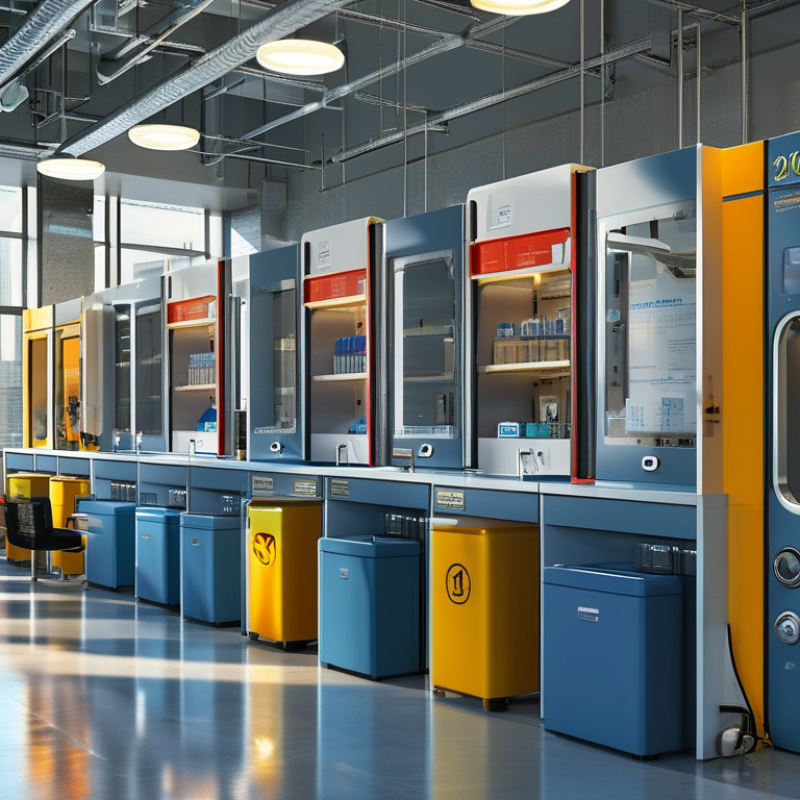
In 2026, eye wash station kits will evolve significantly to meet global safety standards. One key trend is the prioritization of portable and compact designs. These kits will make it easier for employers to provide eyewash stations in various work environments. Compact sizes help ensure accessibility, especially in smaller workspaces or mobile settings.
Another important aspect will be the integration of technology. Future eye wash stations could feature smart sensors to automatically activate when needed. This technology could also monitor fluid levels and alert users when maintenance is required. Offering a higher level of reliability, these kits will enhance the safety protocols in industrial and emergency scenarios.
However, there are challenges to consider. The diversity of work environments makes it difficult to create a one-size-fits-all solution. Moreover, the cost of advanced technology may deter some businesses. Balancing safety and budget constraints is essential. Overall, the eye wash station market is likely to see significant improvements in terms of design and functionality, reflecting a growing commitment to workplace safety.
Top 10 Eye Wash Station Kits for Global Buyers in 2026
Analysis of Regulatory Standards Impacting Eye Wash Stations
When it comes to eye wash stations, regulatory standards play a crucial role. These standards ensure that facilities are equipped to handle eye-related emergencies effectively. Compliance with guidelines like ANSI Z358.1 is essential for all employers. This standard outlines design, performance, and maintenance requirements for eye wash stations.
Eye wash stations must be easily accessible in work areas. They should be within 10 seconds' walk from any hazardous zone. The water must flow at a rate of 1.5 liters per minute. This ensures a thorough rinse of contaminated eyes. Regular maintenance checks are vital. They ensure stations are operational when needed.
Tips: Regularly inspect equipment for obstructions. Conduct monthly drills to familiarize staff with station usage. Consider signage in multiple languages for better understanding. Compliance can sometimes feel overwhelming, but it is essential. Understanding your responsibilities can be challenging. Stay updated on the latest regulations for your industry. Always make improvements based on feedback and observations.
Key Features and Specifications for Effective Eye Wash Station Kits
When selecting eye wash station kits, it's crucial to focus on key features. Look for options that include ample fluid capacity, ideally over 15 gallons. This ensures that the eyewash solution remains effective throughout the recommended flushing time. The materials used should be corrosion-resistant to withstand chemical spills. Additionally, the nozzle design should promote a gentle yet effective flow, minimizing trauma to the eyes.
Accessibility is a significant factor. Kits should have clear signage and be easy to locate in emergencies. Moreover, consider installations that are ADA-compliant for wider accessibility. A proper maintenance schedule is essential, as stagnant solution can become contaminated. Regular checks and balances can prevent this problem.
Tips: Frequent training for staff on how to use these kits is vital. Regular drills can enhance preparedness. Always keep the area around the stations clean and debris-free. Having an effective response plan can save lives. Be mindful of the potential shortcomings in usage, as fatigue can affect response times.
Market Share and Competitive Landscape of Eye Wash Station Manufacturers
In the rapidly evolving market for eye wash stations, understanding the competitive landscape is crucial. Various manufacturers are striving to capture significant market share. Some companies are focusing on innovation, developing stations that are portable and user-friendly. Others emphasize compliance with global safety regulations, ensuring their products meet the highest standards.
There are noticeable gaps in product offerings, particularly in regions with lower manufacturing activity. This discrepancy presents opportunities for new entrants. Buyers should consider not only the functionality of eye wash stations but also the reputation of the manufacturers. User reviews play a vital role in gauging reliability. Some stations available may lack essential features, making careful selection important.
As market demands shift, manufacturers must remain agile. Changes in workplace safety regulations could affect market dynamics. Emerging technologies might enhance the efficiency of eye wash stations. Yet, companies need to adapt accordingly. Continuous feedback from users can lead to better product designs. Investing in research and development is critical, especially for those looking to lead the market.
Projected Growth Rates and Future Opportunities in Eye Wash Industry
The eye wash station industry is set for significant growth by 2026. Demand for these safety solutions is increasing in various sectors. Industrial workplaces emphasize employee health and safety. A proper eye wash station is critical in manufacturing environments, laboratories, and healthcare facilities.
Projected growth rates are promising. The global focus on workplace safety drives more investments in eye wash stations. Companies are looking for solutions that meet regulatory standards. Providing immediate first aid for eye injuries is essential. However, some workplaces still lack adequate eye wash facilities, which raises concerns.
Future opportunities lie in enhancing station designs. Innovations could improve functionality and accessibility. User education is often overlooked, yet vital for effective use. Many employees may not know how to use an eye wash station properly. This gap in knowledge could impact safety outcomes. Increasing awareness and training can strengthen safety measures in the workplace.