Top 10 Thermal Magnetic 800V MCCB for Global Buyers?
In the ever-evolving field of electrical components, Thermal Magnetic 800V MCCB stands out as a crucial device for safety and efficiency. Experts emphasize its significance. John Smith, a leading electrical engineer, states, “The reliability of Thermal Magnetic 800V MCCBs cannot be overstated; they are vital in protecting electrical systems.”
As industries expand, the demand for high-quality protective devices grows. Thermal Magnetic MCCBs are designed to prevent overloads and short circuits effectively. They combine thermal and magnetic protection features, making them versatile for various applications.
However, challenges remain in choosing the right model. Not all Thermal Magnetic 800V MCCBs offer the same level of reliability or performance. Buyers must consider their specific needs and the reputation of manufacturers. There can be variability in product quality, which requires careful evaluation. Understanding these complexities ensures that global buyers make informed decisions.
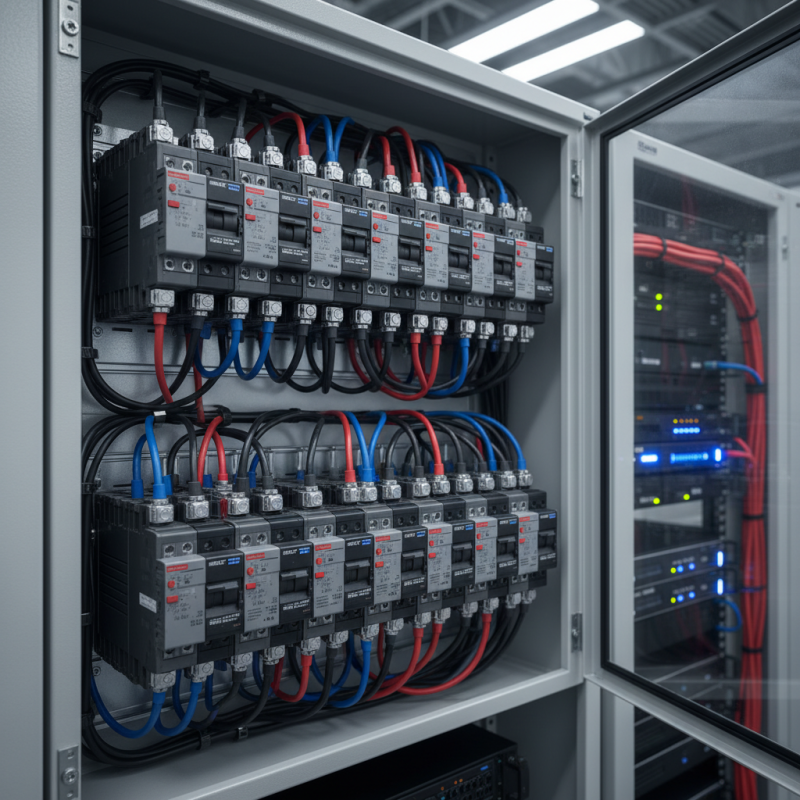
Overview of Thermal Magnetic MCCB Technology and Applications
Thermal magnetic MCCBs (Molded Case Circuit Breakers) play an essential role in modern electrical systems. They combine thermal and magnetic protection effectively. Thermal protection helps prevent overheating, while magnetic protection safeguards against short circuits. This dual-functionality ensures comprehensive circuit safety.
The application of these MCCBs spans various industries. They are commonly used in commercial buildings, industrial plants, and residential constructions. Their design accommodates up to 800V, making them suitable for high-voltage environments. Selecting the right MCCB requires understanding specific loads and system requirements. Each application may demand unique features, such as size and sensitivity.
Despite their advantages, there are challenges in using thermal magnetic MCCBs. Maintenance can become complex due to varying installation conditions. Users may overlook regular inspections, leading to potential failures. Awareness of these aspects is crucial. Adapting to evolving technologies keeps electrical systems efficient and safe.
Key Features and Benefits of 800V MCCB for Industrial Use
The 800V MCCB (Molded Case Circuit Breaker) plays a pivotal role in industrial applications. Its primary function is to protect electrical circuits from overloads and short circuits. These breakers are crucial for maintaining operational safety in environments where high voltage is common.
One key feature of the 800V MCCB is its thermal magnetic trip mechanism. This allows the device to respond quickly to overload conditions. Additionally, it can withstand high inrush currents without tripping unnecessarily. This reliability is vital for industries that depend on continuous power supply.
The versatility of the 800V MCCB cannot be overlooked. It is designed to accommodate various industrial settings, from manufacturing to energy production. However, users must be cautious. Selecting the appropriate MCCB size and rating for specific applications is essential. Miscalculations can lead to insufficient protection. Balancing performance with application requirements is tricky. Overall, while the 800V MCCB offers many advantages, careful consideration during selection is necessary for optimal safety.
Top Brands and Manufacturers of 800V Thermal Magnetic MCCBs
When it comes to selecting thermal magnetic MCCBs for 800V applications, the landscape is diverse. Numerous brands and manufacturers have established themselves in this sector, offering a range of products with distinct features. Some emphasize cutting-edge technology for optimal circuit protection. Others focus on durability and ease of installation, ensuring that their products can withstand various environmental conditions.
The reliability of these MCCBs is crucial for industries that rely on constant power flow. Many companies prioritize rigorous testing standards to ensure safety and efficiency. Yet, challenges remain. Users often report difficulty in selecting the right model for their specific needs. Additionally, the varying quality among manufacturers can lead to inconsistencies in performance. A careful review of user feedback is essential to navigate these options effectively.
Proper installation and regular maintenance of MCCBs are vital. Installing a device without professional input may compromise its functions. Further, neglecting routine checks can pose risks over time. Users must stay informed about the latest developments in MCCB technology and prioritize training for their teams. This awareness helps in making informed decisions, ultimately enhancing safety and operational efficiency.
Performance Comparison of Leading 800V MCCB Models
When selecting thermal magnetic molded case circuit breakers (MCCBs) for electrical systems, performance is key. The market for 800V MCCBs has seen significant advancements. Leading models now focus on efficiency and reliability, meeting diverse industry demands.
Reports indicate that the performance of MCCBs varies widely. For example, some models can withstand short circuits up to 10 kA, ensuring safety in critical applications. A few manufacturers achieved a reduction in thermal trip settings, improving response times. However, not all brands have optimized this feature adequately. User feedback often highlights the importance of consistent performance.
Here are some tips for choosing an 800V MCCB:
- Ensure the breaker meets relevant safety standards.
- Look for models with clear specifications on thermal and magnetic ratings.
- Consider user reviews for practical insights on performance under load.
The importance of
reliability cannot be overstated. Manufacturers need to address gaps in their offerings. Many users report hiccups in performance during peak loads. This indicates the need for thorough testing post-manufacturing. Understanding the nuances of these devices enriches decision-making in electrical system design.
Guidelines for Selecting the Right 800V MCCB for Specific Needs
Choosing the right 800V Molded Case Circuit Breaker (MCCB) is crucial. These devices protect electrical circuits from overloads and short circuits. Industry reports indicate that over 80% of electrical failures stem from inadequate protection devices. Selecting an appropriate MCCB can significantly reduce this risk.
Consider the specific application and load requirements when selecting an MCCB. The device must handle the continuous current rating based on your system's demands. For example, a report from the IEC shows that a mismatch can lead to overheating and potential circuit failure. It is essential to assess the environmental conditions as well. Some MCCBs are designed for harsh environments, while others suit indoor applications.
Another aspect to keep in mind is the efficiency and reliability of the MCCB. Studies show that thermal magnetic breakers tend to have faster response times, which can be critical during faults. Users should also review lifecycle costs. While initial expenses may vary, lower maintenance needs can lead to long-term savings. Always review technical data and standards to ensure compliance and reliability.